Why Would I Be Referred to a Gastroenterologist? Real Reason 2026
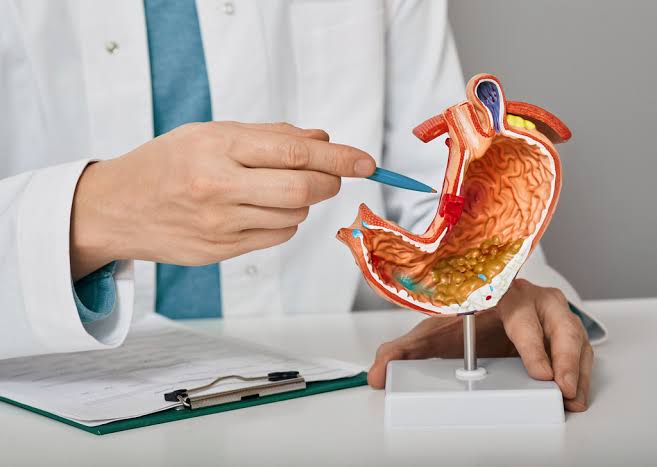
Why Would I Be Referred to a Gastroenterologist? When your primary care doctor suspects a digestive issue that needs specialized evaluation, such as persistent heartburn, unexplained abdominal pain, changes in bowel habits, or blood in your stool. Referrals also commonly happen for routine cancer screening, like a colonoscopy, once you reach a certain age.
A referral isn’t something to be alarmed by. In many cases, it simply means your doctor wants a specialist’s expertise to get you a faster, more accurate answer.
Common Reasons for a Gastroenterologist Referral

A gastroenterologist, often called a GI doctor, specializes in conditions affecting the esophagus, stomach, intestines, liver, pancreas, and gallbladder. The most common referral reasons include:
- Persistent heartburn or suspected GERD
- Ongoing or severe abdominal pain
- Blood in the stool
- Chronic diarrhea or constipation
- Unexplained weight loss
- Difficulty swallowing
- Routine colorectal cancer screening
- Abnormal liver blood test results
- Suspected IBS, IBD, or celiac disease
What Does a Gastroenterologist Actually Treat?
A gastroenterologist is a physician who specializes in diagnosing and treating conditions of the digestive system. This includes the esophagus, stomach, small and large intestines, liver, pancreas, gallbladder, and bile ducts.
These doctors complete five to six years of specialized training after medical school. This advanced training allows them to manage both common digestive complaints and more complex chronic conditions.
Why Might Your Primary Care Doctor Refer You?
Your primary care physician typically starts with an exam, a review of your symptoms, and sometimes initial testing. If your symptoms suggest something beyond general primary care, or if initial treatment hasn’t worked, a referral to a specialist often follows.
This step-by-step approach helps ensure you get the right level of care without unnecessary specialist visits. A referral usually means your case needs a more focused, expert evaluation.
Persistent or Severe Heartburn (GERD)
Occasional heartburn is common and usually manageable with over-the-counter medication. Heartburn that doesn’t improve, or that comes with nausea, vomiting, or trouble swallowing, is a common reason for referral.
Left untreated, chronic acid reflux can lead to complications like esophagitis or Barrett’s esophagus. A gastroenterologist can evaluate the underlying cause and recommend more targeted treatment.
Ongoing or Severe Abdominal Pain
Mild, occasional stomach discomfort is often caused by something minor like gas or indigestion. Persistent or severe abdominal pain is different and may point to a more serious underlying issue.
In some cases, severe pain can indicate a blockage or another condition requiring prompt evaluation. A gastroenterologist can run targeted tests to identify the exact cause.
Blood in Your Stool
Blood in the stool, whether bright red or dark and tarry, should always be evaluated. This symptom can indicate bleeding anywhere along the digestive tract.
While the cause isn’t always serious, it’s important to rule out conditions ranging from hemorrhoids to more significant digestive tract issues. A gastroenterologist can determine the exact source and appropriate next steps.
Chronic Diarrhea or Constipation
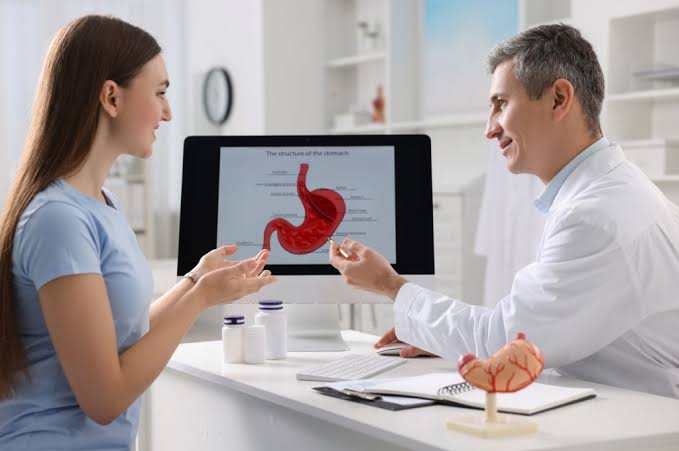
Occasional changes in bowel habits are normal and often tied to diet or stress. Chronic diarrhea or constipation lasting weeks or longer is a common reason for a GI referral.
Persistent diarrhea can point to conditions like IBS, IBD, or small intestinal bacterial overgrowth (SIBO). Constipation involving fewer than three bowel movements per week may also warrant further evaluation.
Unexplained Weight Loss
Losing weight without changes to diet or exercise can sometimes signal an underlying digestive condition. This symptom is taken seriously because it can be linked to malabsorption, inflammation, or other GI disorders.
A gastroenterologist can investigate whether digestive issues are contributing to the weight change. Identifying the cause early often leads to better long-term outcomes.
Difficulty Swallowing
Trouble swallowing, medically known as dysphagia, can result from several different digestive conditions. This includes narrowing of the esophagus, acid reflux damage, or motility disorders affecting how the esophagus functions.
Because swallowing difficulty can affect nutrition and quality of life, it’s typically evaluated promptly. A gastroenterologist can use specialized tools to pinpoint the exact cause.
Routine Colorectal Cancer Screening
One of the most common, non-emergency reasons for a referral is routine cancer screening. Colonoscopy is the primary screening tool gastroenterologists use to check for colorectal cancer and precancerous polyps.
Screening age recommendations have shifted in recent years, with many guidelines now starting at 45 instead of 50. This change reflects rising colorectal cancer rates among younger adults.
Abnormal Liver Blood Test Results
If routine bloodwork shows elevated liver enzymes or other abnormal results, a referral often follows. This can point to a range of causes, from medication effects to underlying liver disease.
Gastroenterologists, and in some cases hepatologists who specialize further in liver conditions, can investigate the cause through additional testing. Early evaluation helps prevent more serious liver complications.
Suspected IBS, IBD, or Celiac Disease
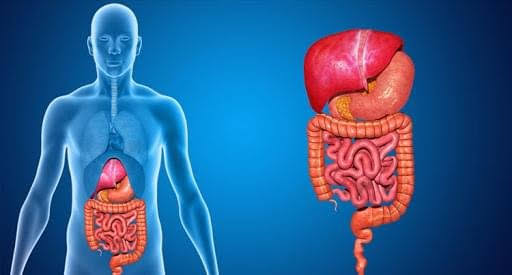
Conditions like irritable bowel syndrome (IBS), inflammatory bowel disease (IBD), and celiac disease often require specialized diagnostic tools to confirm. Symptoms can overlap significantly, making expert evaluation important.
IBD, which includes Crohn’s disease and ulcerative colitis, involves chronic inflammation that needs ongoing management. Celiac disease, an autoimmune reaction to gluten, can cause lasting intestinal damage if left undiagnosed.
Common Referral Reasons at a Glance
| Symptom or Reason | Possible Underlying Conditions |
|---|---|
| Persistent heartburn | GERD, esophagitis |
| Severe abdominal pain | Blockage, IBS, IBD, ulcers |
| Blood in stool | Hemorrhoids, GI bleeding, colorectal cancer |
| Chronic diarrhea | IBS, IBD, SIBO |
| Chronic constipation | Motility issues, dietary factors |
| Unexplained weight loss | Malabsorption, inflammation, cancer |
| Difficulty swallowing | Esophageal narrowing, motility disorders |
| Abnormal liver tests | Liver disease, medication effects |
| Family history of colon cancer | Increased screening priority |
Gastroenterologist vs. Other GI-Related Specialists
| Specialist | Primary Focus |
|---|---|
| Gastroenterologist | Stomach, intestines, general digestive tract issues |
| Hepatologist | Liver, gallbladder, biliary tree, pancreas |
| Colorectal surgeon | Surgical treatment of colon, rectum, and anus |
| Primary care physician | Initial evaluation and referral coordination |
What Happens During Your First Gastroenterology Appointment
Your first visit typically includes a detailed discussion of your symptoms, medical history, and any prior test results. The gastroenterologist may order additional testing based on this initial conversation.
Common diagnostic tools include blood tests, stool tests, imaging, and procedures like colonoscopy or endoscopy. The exact approach depends entirely on your specific symptoms and referral reason.
Common Procedures Gastroenterologists Perform
- Colonoscopy, used for cancer screening and evaluating bowel symptoms
- Upper endoscopy, used to examine the esophagus, stomach, and upper intestine
- Biopsy collection during endoscopic procedures
- Breath testing for conditions like SIBO
- Imaging referrals for more detailed evaluation when needed
Expert Tip
A referral to a gastroenterologist doesn’t automatically mean something serious is wrong. In many cases, it simply reflects your doctor’s effort to get you a faster, more precise diagnosis using specialized tools that aren’t available in general primary care.
Mistakes to Avoid
- Don’t delay a referral out of fear; early evaluation often leads to simpler treatment.
- Don’t ignore red-flag symptoms like blood in the stool or unexplained weight loss.
- Don’t assume all digestive symptoms are minor without ruling out other causes.
- Don’t skip recommended colorectal cancer screening once you reach the appropriate age.
When to Seek Prompt Medical Attention
- Severe, sudden abdominal pain
- Significant or ongoing blood in the stool
- Signs of dehydration from persistent diarrhea or vomiting
- Unexplained, rapid weight loss
- Difficulty swallowing that worsens quickly
How to Prepare for Your Gastroenterology Referral
- Track your symptoms. Note timing, frequency, and severity to share with your specialist.
- List current medications. Include prescriptions, supplements, and over-the-counter drugs.
- Gather relevant test results. Bring any bloodwork, imaging, or prior GI-related records.
- Note your family history. Digestive and colorectal conditions can run in families.
- Write down your questions. This helps you make the most of your appointment time.
Key Takeaways
- Referrals often stem from persistent digestive symptoms that don’t improve with initial treatment.
- Common triggers include heartburn, abdominal pain, blood in stool, and bowel habit changes.
- Routine colorectal cancer screening is a major, non-emergency reason for referral.
- Gastroenterologists differ from hepatologists and colorectal surgeons in their specific focus.
- A referral typically leads to further testing, such as colonoscopy or endoscopy.
- Being referred doesn’t automatically mean a serious diagnosis is likely.
Frequently Asked Questions (FAQs)
Why would I be referred to a gastroenterologist?
Common reasons include persistent heartburn, ongoing abdominal pain, blood in the stool, chronic bowel changes, or routine colorectal cancer screening starting around age 45.
Does a gastroenterologist referral mean something serious is wrong?
Not necessarily. Referrals often happen simply to get a specialist’s expert evaluation using tools not available in general primary care.
What conditions does a gastroenterologist treat?
Gastroenterologists treat conditions affecting the esophagus, stomach, intestines, liver, pancreas, and gallbladder, including GERD, IBS, IBD, and celiac disease.
At what age should I get a colonoscopy?
Many current guidelines recommend starting routine colorectal cancer screening at age 45, or earlier if you have risk factors or a family history.
Is blood in the stool always a sign of cancer?
No, it can result from several causes, including hemorrhoids, but it should always be evaluated by a doctor to rule out more serious conditions.
What’s the difference between a gastroenterologist and a hepatologist?
A gastroenterologist focuses broadly on the digestive tract, while a hepatologist specializes specifically in liver, gallbladder, and biliary conditions.
Can chronic constipation lead to a gastroenterologist referral?
Yes, constipation involving fewer than three bowel movements per week, especially if persistent, is a common reason for further evaluation.
Why does persistent heartburn need specialist evaluation?
Heartburn that doesn’t respond to over-the-counter treatment or comes with additional symptoms may indicate GERD, which can lead to complications if untreated.
What tests might a gastroenterologist order?
Common tests include blood work, stool testing, colonoscopy, upper endoscopy, and imaging, depending on your specific symptoms.
Can unexplained weight loss be linked to digestive issues?
Yes, unexplained weight loss can signal malabsorption, inflammation, or other underlying GI conditions that require further investigation.
What is the difference between a gastroenterologist and a colorectal surgeon?
Colorectal surgeons are trained as surgeons and perform operative procedures, while gastroenterologists focus on diagnosis and non-surgical treatment.
Should I see my primary care doctor before a gastroenterologist?
Yes, primary care doctors typically conduct an initial evaluation and determine whether a specialist referral is necessary.
Can abnormal liver blood tests lead to a GI referral?
Yes, elevated liver enzymes or other abnormal liver test results often prompt further evaluation by a gastroenterologist or hepatologist.
Is difficulty swallowing a common referral reason?
Yes, persistent difficulty swallowing can result from several digestive conditions and is typically evaluated promptly by a specialist.
What happens during a first gastroenterology appointment?
Your first visit usually includes a symptom review, medical history discussion, and possibly additional testing based on your specific concerns.
Can family history affect when I need a gastroenterologist?
Yes, a family history of colorectal cancer or certain GI conditions can lower the recommended age for screening or evaluation.
Are gastroenterology referrals only for serious symptoms?
No, many referrals are for routine screening or milder, persistent symptoms that simply need expert evaluation for an accurate diagnosis.
How is IBS different from IBD?
IBS is a functional disorder affecting bowel function without visible inflammation, while IBD involves chronic inflammation, as seen in Crohn’s disease and ulcerative colitis.
Can celiac disease be diagnosed without a gastroenterologist?
While initial suspicion may come from primary care, a gastroenterologist typically confirms celiac disease through specialized testing and, often, a biopsy.
What should I bring to my first gastroenterology appointment?
Bring a symptom log, current medications, relevant test results, family history details, and any questions you want to ask your specialist.
Conclusion
Being referred to a gastroenterologist is a normal, often reassuring part of getting to the bottom of digestive symptoms.
Whether it’s persistent heartburn, unexplained bowel changes, or routine cancer screening, this step connects you with a specialist trained to find clear answers.
Approaching the referral with the right preparation, tracked symptoms, medication lists, and relevant history, helps make your first appointment as productive as possible. Early evaluation is often the fastest path to feeling better and protecting your long-term digestive health.