Why Can’t You Give Babies Honey? The Truth 2026
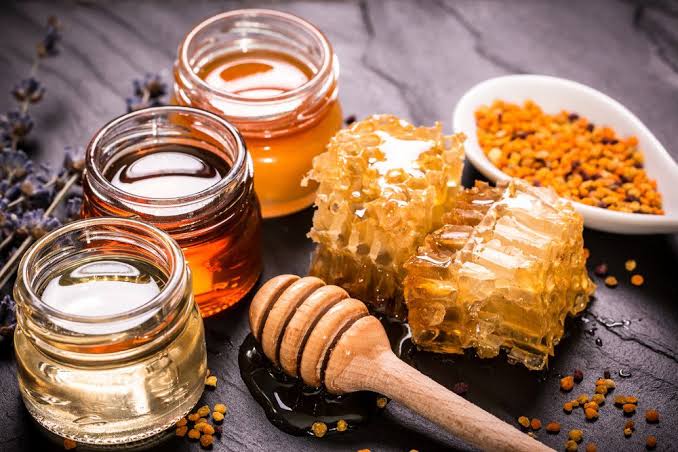
Why Can’t You Give Babies Honey? Babies under 12 months old can’t have honey because it may contain spores of a bacterium called Clostridium botulinum. In an infant’s immature digestive system, these spores can grow and produce a toxin that causes a rare but serious illness known as infant botulism.
This isn’t a minor precaution; it’s a firm medical guideline backed by pediatricians, the CDC, and the FDA. Understanding why makes it much easier to follow, especially when honey shows up in unexpected places like teething remedies or baked goods.
Why Babies Can’t Have Honey
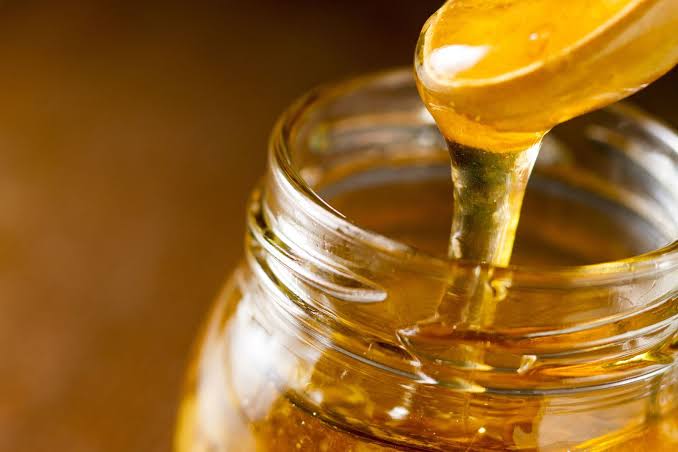
Honey can contain Clostridium botulinum spores, which are harmless to older children and adults but dangerous for infants. Here’s why age matters so much:
- The bacteria: Clostridium botulinum spores are naturally present in soil, dust, and sometimes honey.
- The risk: In a baby’s underdeveloped gut, these spores can grow and produce a dangerous neurotoxin.
- The protection adults have: Mature gut bacteria in people over 12 months typically prevent the spores from taking hold.
- The result if untreated: Infant botulism, which can cause muscle weakness and breathing difficulty.
What Is Infant Botulism?
Infant botulism is a rare but serious illness that affects a baby’s nervous system. It happens when Clostridium botulinum spores grow inside a baby’s intestines and release a toxin that interferes with muscle function.
Unlike foodborne botulism in adults, which comes from consuming toxin already present in food, infant botulism develops because the bacteria multiply inside the baby’s own body. This is why symptoms tend to appear gradually rather than suddenly.
Why Babies Are More at Risk Than Adults
An adult’s digestive system contains a well-established community of healthy gut bacteria. This established microbiome typically outcompetes Clostridium botulinum, preventing it from growing long enough to produce toxin.
Babies under 12 months haven’t yet developed this same level of gut bacteria diversity. Without that natural competition, the spores have a much easier time multiplying and producing the toxin that causes illness.
How Common Is Infant Botulism?
According to CDC surveillance data, 162 laboratory-confirmed cases of infant botulism were reported in the United States in 2018. Most cases occur in babies younger than 6 months old.
While the condition is rare, it’s serious enough that pediatric organizations recommend strict avoidance of honey during the first year. The good news is that recovery rates are excellent when the illness is caught and treated properly.
Symptoms of Infant Botulism
Infant botulism symptoms typically develop gradually and can be easy to miss at first. Recognizing them early is important for getting prompt treatment.
- Constipation, often the earliest sign
- A weak or altered cry
- Poor feeding or difficulty sucking
- Decreased muscle tone, sometimes described as “floppiness”
- Drooping eyelids or a flattened facial expression
- Slowed or labored breathing in more severe cases
When to Seek Emergency Care
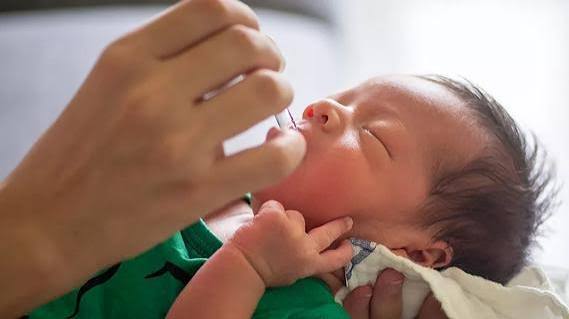
- Sudden difficulty breathing or noticeable pauses in breathing
- Severe floppiness or inability to hold up the head normally
- Complete loss of appetite combined with weakness
- Any combination of the symptoms above that worsens quickly
If you notice these signs, especially after any possible honey exposure, seek emergency medical care immediately rather than waiting to see if symptoms improve.
Is All Honey Risky, Including Raw and Organic Honey?
Yes, all types of honey carry the same risk for infants, regardless of how it’s labeled or processed. Raw, organic, local, and pasteurized honey can all potentially contain Clostridium botulinum spores.
Pasteurization kills many bacteria but doesn’t reliably eliminate these particular spores. This is why health experts don’t make exceptions for “cleaner” or more natural honey products.
Types of Honey and Infant Safety
| Honey Type | Considered Safe for Infants Under 1? |
|---|---|
| Raw honey | No |
| Pasteurized honey | No |
| Organic honey | No |
| Local honey | No |
| Manuka honey | No |
| Honey-containing baked goods | No |
| Cooked or baked honey products | No |
Hidden Sources of Honey Parents Often Miss
Honey doesn’t only appear as a spoonful in the kitchen. It can hide in a surprising number of everyday products that parents may not think twice about.
- Honey graham crackers and cereal bars
- Teething gels or remedies containing honey
- Pacifiers dipped in honey to encourage sucking
- Certain baked goods, sauces, and glazes
- Some herbal or homeopathic remedies marketed for infants
Why Even a Tiny Taste Matters
Some parents assume a small taste, like honey on a pacifier or fingertip, is harmless. Health experts are clear that even a trace amount can introduce enough spores to cause illness.
There is no known “safe” minimum amount of honey for a baby under 12 months old. The recommendation is to avoid it completely, in every form, until after the first birthday.
When Does Honey Become Safe for Babies?
Honey is generally considered safe once a baby turns 12 months old. By this age, a baby’s gut has typically developed enough healthy bacteria to prevent Clostridium botulinum spores from taking hold.
Even after the first birthday, introducing honey in small amounts and watching for any unusual reactions is a reasonable approach. Most babies tolerate honey without any issue once they’ve crossed this age threshold.
Infant Botulism vs. Foodborne Botulism
| Feature | Infant Botulism | Foodborne Botulism (Adults) |
|---|---|---|
| Cause | Spores grow inside the gut | Toxin already present in contaminated food |
| Typical onset | Gradual, over days | Sudden and severe |
| Common source | Honey, dust, soil spores | Improperly canned or preserved foods |
| Who’s affected | Infants under 12 months | People of any age, especially adults |
| Recovery outlook | Very high survival rate with treatment | Varies based on severity and treatment |
What to Do If Your Baby Ate Honey
- Stay calm and monitor closely. Not every exposure leads to illness, but careful observation matters.
- Watch for early symptoms. Pay close attention to feeding, crying strength, and muscle tone over the next several days.
- Contact your pediatrician. Let them know about the exposure so they can advise on next steps.
- Call Poison Control if needed. They can offer guidance at 1-800-222-1222 if you’re unsure whether symptoms warrant urgent care.
- Seek emergency care for any breathing or severe weakness symptoms. Don’t wait if symptoms appear serious.
How Infant Botulism Is Treated
Infant botulism is treated in a hospital setting, often with a medication called BabyBIG, short for Botulism Immune Globulin Intravenous. This treatment has been shown to significantly shorten hospital stays compared to supportive care alone.
In more severe cases where breathing muscles are affected, a baby may need a ventilator until they regain strength. Despite how serious this sounds, the overall survival rate for infant botulism is between 98% and 100%.
Expert Tip
Because dust and soil are also known sources of Clostridium botulinum spores, honey avoidance doesn’t guarantee zero risk. Still, it remains the one identified and fully avoidable source, which is exactly why it’s singled out in every major pediatric guideline.
Mistakes to Avoid
- Don’t assume raw or local honey is safer for babies than processed honey.
- Don’t use honey to soothe teething pain or coat a pacifier.
- Don’t offer “just a taste” of honey-based desserts before age one.
- Don’t ignore early symptoms like constipation or a weak cry after any possible exposure.
Can a Breastfeeding Mother Eat Honey?
Yes, it’s considered safe for a breastfeeding mother to eat honey herself. Botulism spores are not transmitted through breast milk, so nursing mothers don’t need to avoid honey in their own diet.
This distinction is important, since some parents mistakenly worry about indirect exposure through breastfeeding. The direct risk only applies to honey consumed by the infant.
Prevention Tips for Parents and Caregivers
- Wait until after your baby’s first birthday to introduce honey in any form.
- Check ingredient labels on crackers, cereals, and baked snacks marketed for babies.
- Avoid teething products or home remedies that list honey as an ingredient.
- Inform grandparents, babysitters, and other caregivers about the honey rule.
- Contact your pediatrician promptly if you suspect any accidental exposure.
Key Takeaways
- Honey can contain Clostridium botulinum spores, which are dangerous to babies under 12 months old.
- Infant botulism develops when these spores grow and release toxin inside a baby’s immature gut.
- All honey types, including raw and organic varieties, carry the same risk.
- Even a small taste or trace amount can potentially cause illness.
- Common symptoms include constipation, a weak cry, and poor feeding.
- Honey becomes generally safe after a baby’s first birthday.
Frequently Asked Questions (FAQs)
Why can’t you give babies honey?
Honey can contain Clostridium botulinum spores, which can grow in a baby’s immature gut and produce a toxin that causes infant botulism, a rare but serious illness.
At what age can babies safely eat honey?
Babies can generally have honey safely starting at 12 months old, once their gut has developed enough healthy bacteria to prevent the spores from growing.
Is raw honey safer than regular honey for babies?
No, raw honey carries the same risk as pasteurized, organic, or local honey. Pasteurization doesn’t reliably eliminate the bacterial spores responsible for infant botulism.
What are the first signs of infant botulism?
Early signs often include constipation, a weak or different-sounding cry, poor feeding, and decreased muscle tone or “floppiness.”
Is infant botulism common?
It’s considered rare, with 162 laboratory-confirmed cases reported in the U.S. in 2018, and most cases occurring in babies younger than 6 months old.
Can a small taste of honey harm a baby?
Yes, there’s no known safe minimum amount. Even a trace of honey, such as on a pacifier, can potentially introduce enough spores to cause illness.
Can breastfeeding mothers eat honey safely?
Yes, botulism spores are not transmitted through breast milk, so it’s safe for nursing mothers to eat honey themselves.
What foods might secretly contain honey?
Honey graham crackers, cereal bars, teething gels, baked goods, sauces, and some homeopathic remedies can all contain hidden honey.
Is infant botulism treatable?
Yes, it’s highly treatable, with a survival rate between 98% and 100% when properly diagnosed and treated in a hospital setting.
How is infant botulism treated?
Treatment often involves a medication called BabyBIG, given through an IV, along with supportive care such as breathing or feeding assistance if needed.
Can cooking or baking honey make it safe for babies?
No, cooking or baking with honey does not reliably destroy the bacterial spores, so honey-containing baked goods are still not recommended for babies under 12 months.
What should I do if my baby accidentally ate honey?
Monitor your baby closely for symptoms, contact your pediatrician, and seek emergency care immediately if you notice breathing difficulty or severe weakness.
Why are babies more vulnerable to botulism spores than adults?
Adults have a well-established gut microbiome that prevents the spores from growing, while babies under 12 months haven’t yet developed this same protective bacterial balance.
Are honey-based teething remedies safe for infants?
No, any product containing honey, including teething gels or remedies, should be avoided for babies under 12 months old.
Does Manuka honey carry the same risk as regular honey?
Yes, Manuka honey and all other honey varieties carry the same infant botulism risk and should be avoided before age one.
Can infant botulism cause long-term damage?
No, with proper treatment, babies typically make a full recovery without lasting cognitive or developmental effects.
Is honey the only source of infant botulism?
No, spores can also be found in dust and soil, but honey is the one identified and fully avoidable source, which is why it’s specifically restricted.
What is BabyBIG, and how does it help?
BabyBIG, or Botulism Immune Globulin Intravenous, is a treatment shown to significantly reduce hospital stay length for babies diagnosed with infant botulism.
Should I worry about honey exposure through vaccines or medications?
No, this concern doesn’t apply to vaccines or standard medications. The risk is specifically tied to consuming honey or honey-containing products.
Who should I contact if I suspect infant botulism?
Contact your pediatrician right away, and consider calling Poison Control at 1-800-222-1222 for additional guidance if you’re unsure about symptom severity.
Conclusion
The reason babies can’t have honey comes down to one clear, well-documented risk: infant botulism. A baby’s developing gut simply isn’t equipped to handle Clostridium botulinum spores the way an older child or adult’s can.
The good news is that this risk is entirely avoidable. Waiting until after your baby’s first birthday, checking labels carefully, and making sure every caregiver understands the rule are simple steps that offer real peace of mind.