Why Do My Toenails Smell When I Cut Them? Causes 2026
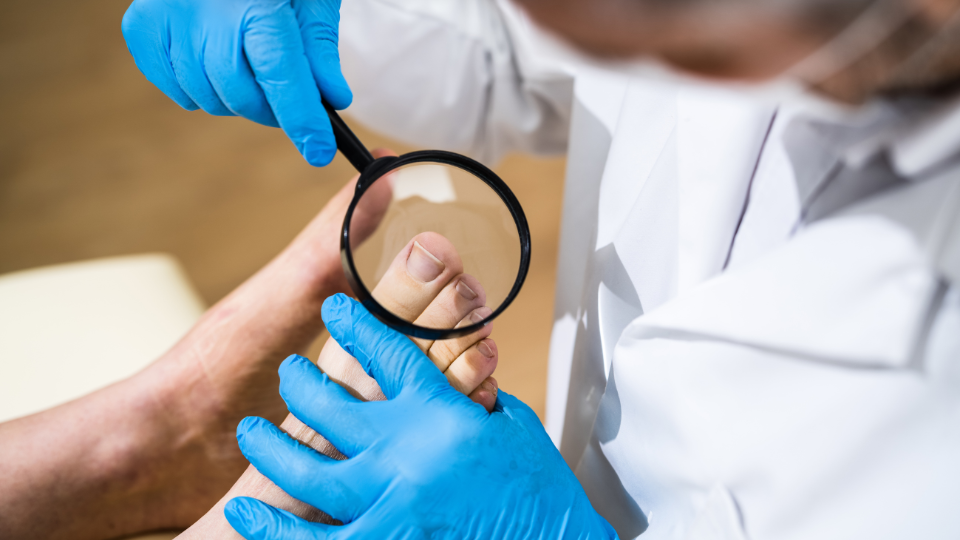
You trim your toenails, and suddenly there’s a smell you weren’t expecting. If you’ve asked yourself why do my toenails smell when I cut them, you’re far from alone.
The cause almost always comes down to trapped debris, bacteria, or fungus being released the moment you cut. This guide explains exactly why it happens and how to stop it.
Why Do My Toenails Smell When I Cut Them
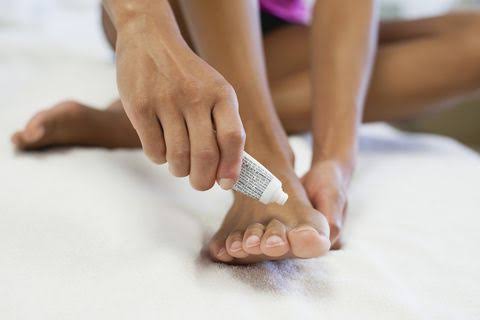
Cutting your toenails releases trapped bacteria, dead skin cells, and sometimes fungal debris that build up under and around the nail. That release is what causes the sudden smell.
In most cases it’s a hygiene issue, not a medical emergency. But if the smell is strong, persistent, or paired with nail changes, it can point to a fungal infection.
Why Toenails Smell When You Cut Them
Odor-causing compounds build up quietly under the nail over time. Cutting disturbs that space and lets the smell escape all at once.
Trapped Bacteria and Sweat
Feet sweat more than most people realize, and that moisture gets trapped under the nail edge. Bacteria feed on that moisture and release smelly compounds as a byproduct.
Dead Skin Cells and Keratin Debris
Skin cells, cuticle fragments, and sock fibers can collect under the nail over time. This debris slowly breaks down and can develop an odor of its own.
Fungal Infection (Onychomycosis)
Fungus breaks down keratin, the protein your nails are made of, and releases foul-smelling byproducts as it does. Trimming the nail disturbs that fungal debris and releases a stronger burst of odor.
Ingrown Toenails
Cutting nails too short or rounding the corners instead of trimming straight across can lead to ingrown nails. Ingrown nails raise infection risk, which can add to the smell.
Nail Polish and Trapped Moisture
Polish can seal moisture against the nail bed, creating a warm, damp environment bacteria and fungus both like. This is especially common when polish is reapplied without letting nails fully dry first.
Signs It’s More Than Just Hygiene
Not every smell means infection, but certain signs point toward fungus rather than ordinary buildup.
- Nail looks thickened, brittle, or crumbly
- Nail color shifts to yellow, white, or brown
- Nail shape looks distorted or lifted from the nail bed
- Smell doesn’t go away even after thorough washing
- Redness, swelling, or drainage around the nail fold
Ordinary Buildup vs. Fungal Infection
| Signal | Ordinary Buildup | Fungal Infection |
|---|---|---|
| Smell after washing | Usually fades | Often persists |
| Nail texture | Normal | Thick, brittle, crumbly |
| Nail color | Normal | Yellow, white, or brown |
| Nail shape | Normal | Distorted or lifted |
| Onset | Comes and goes | Gradual, worsens over time |
How to Stop Toenail Odor When Cutting
Small changes to your foot care routine usually solve the problem without needing medical treatment.
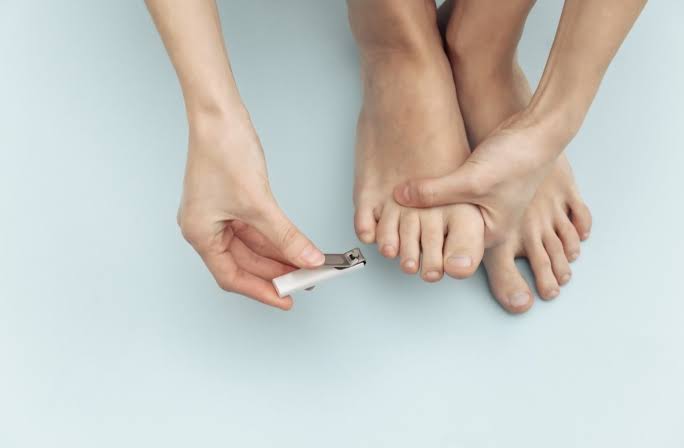
- Wash and dry feet thoroughly before trimming, including between the toes
- Trim nails straight across instead of rounding the corners
- Clean clippers with rubbing alcohol before and after each use
- Wear moisture-wicking socks and rotate shoes to let them fully dry
- Avoid sealing polish over nails that aren’t completely clean and dry
- Trim regularly instead of letting nails grow long enough to trap more debris
Best Practices for Foot Hygiene
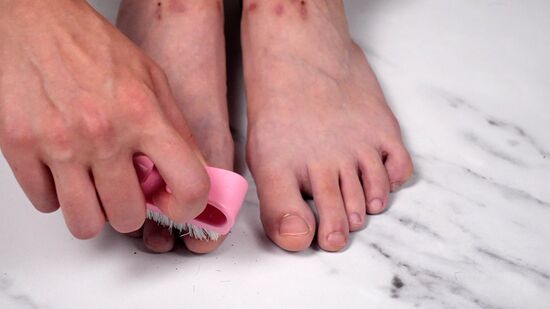
- Change socks daily, and more often if your feet sweat heavily
- Use foot powder or antifungal spray in shoes prone to moisture
- Give shoes 24 hours to air out between wears when possible
- Keep toenails at a moderate length rather than very short or very long
Mistakes to Avoid
- Rounding nail corners instead of cutting straight across
- Sharing nail clippers without cleaning them first
- Ignoring persistent odor that doesn’t improve with better hygiene
- Covering smelly nails with polish instead of addressing the cause
When to See a Doctor or Podiatrist
Persistent odor paired with nail thickening, discoloration, or crumbling usually means it’s time for a professional opinion. A podiatrist can confirm whether fungus is present and recommend the right treatment.
People with diabetes or circulation issues should be especially cautious with any nail changes, since foot infections can progress more seriously in those cases.
Expert Tip
If odor shows up right after cutting but fades quickly with washing, it’s most likely trapped bacteria and debris, not fungus. Fungal odor tends to linger and comes with visible nail changes.
Frequently Asked Questions (FAQs)
Why do my toenails smell like cheese when I cut them?
A cheese-like smell is commonly linked to bacteria breaking down trapped sweat and debris under the nail, and sometimes to fungal activity.
Is it normal for toenails to smell when cut?
A mild, brief smell can be normal due to trapped bacteria and skin cells. A strong or lingering smell is more likely tied to fungus.
Can toenail fungus cause a bad smell?
Yes. Fungus breaks down keratin in the nail and releases foul-smelling byproducts, which become more noticeable when the nail is trimmed.
How do I get rid of toenail odor for good?
Consistent hygiene, straight-across trimming, clean clippers, and dry socks and shoes solve most cases. Persistent cases may need antifungal treatment.
Does nail polish make toenail smell worse?
It can, since polish traps moisture against the nail and creates conditions bacteria and fungus both thrive in.
Should I be worried if only one toenail smells?
A single affected nail is common with fungal infections, since fungus often starts in one nail before potentially spreading.
Can ingrown toenails cause a smell?
Yes. Ingrown nails raise the risk of infection around the nail fold, which can contribute to odor.
How often should I clean my nail clippers?
Clean them with rubbing alcohol before and after each use, especially if you suspect fungal involvement.
Is toenail odor contagious?
Fungal infections can spread to other nails or to other people through shared clippers, socks, or damp surfaces like locker rooms.
What does healthy toenail smell like?
Healthy nails generally have little to no smell, especially right after washing and drying the feet.
Can diet affect toenail smell?
Diet has more influence on general body odor than nail odor specifically, though overall health supports nail health.
Why does the smell seem worse right after cutting than any other time?
Cutting physically disturbs trapped bacteria and debris, releasing concentrated odor all at once instead of gradually.
Do at-home remedies work for smelly toenails?
Basic hygiene fixes often help with non-fungal odor. Fungal infections usually need antifungal treatment for real improvement.
When should I see a podiatrist about toenail smell?
See a podiatrist if the smell persists despite good hygiene, or if you notice thickening, discoloration, or crumbling of the nail.
Can toenail odor be a sign of a serious condition?
It’s usually a hygiene or fungal issue, but persistent changes are worth checking, especially for people with diabetes or poor circulation.
Conclusion
Why do my toenails smell when I cut them usually comes down to trapped bacteria, dead skin, or fungal debris being released the moment you trim. Most cases clear up with better hygiene, straight-across cuts, and clean tools.
If the smell sticks around or comes with nail changes like thickening or discoloration, it’s worth having a podiatrist take a look rather than waiting it out.