Why Is It Called Hell’s Kitchen? True Story & History 2026
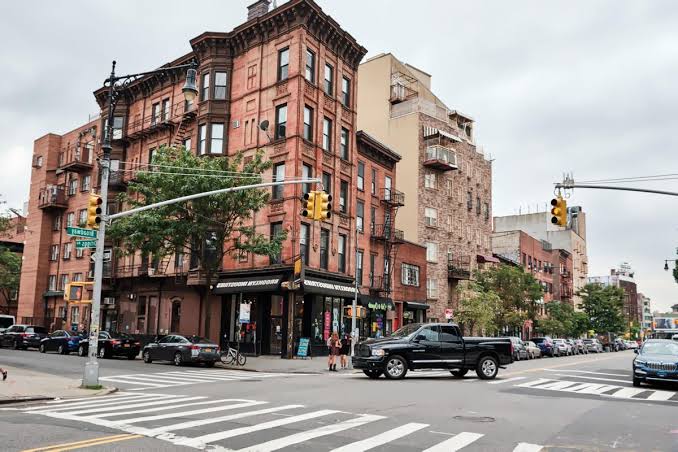
Why is it called Hell’s Kitchen is one of New York City’s most debated naming mysteries, and there isn’t just one clean answer.
The Manhattan neighborhood earned its fiery nickname sometime in the late 1800s, back when it was known as one of the roughest, most crime-ridden parts of the city.
Several competing stories claim to explain exactly how the name started, ranging from a quoted police officer to a German restaurant owner.
Where Is Hell’s Kitchen Located Today?
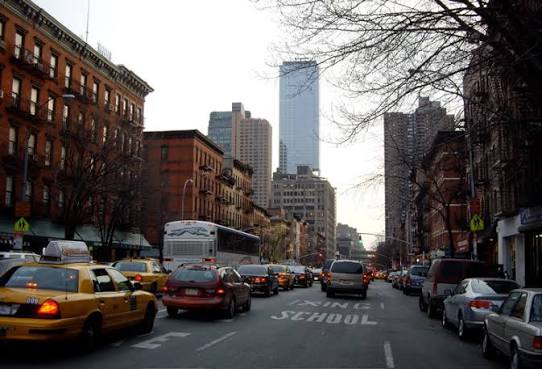
Hell’s Kitchen sits on the West Side of Midtown Manhattan, stretching roughly from 34th Street up to 59th Street.
Its western edge runs along the Hudson River, while its eastern boundary is generally considered to be Eighth Avenue, though some maps extend it to Ninth Avenue.
Today it’s known for theaters, restaurants, and proximity to Times Square, a sharp contrast to its rough origins.
A Quick Overview of the Name’s Origins
There isn’t a single confirmed origin story for Hell’s Kitchen. Instead, several competing tales have survived for over a century, each with some historical backing.
Most versions agree on one thing: the name was tied to how dangerous, dirty, or unbearable the neighborhood felt at the time.
Historians generally treat all of these stories as pieces of a larger folklore puzzle rather than picking one definitive answer.
Theory 1: The “Dutch Fred the Cop” Story
This is the most frequently cited origin story. It centers on a veteran police officer patrolling the area with a rookie partner during a riot.
According to the tale, the rookie remarked that the area was as hot as hell, to which the veteran officer reportedly replied that this was actually hell’s kitchen.
The exchange supposedly took place during a period of intense unrest, and the phrase stuck with locals and journalists covering the area afterward.
Theory 2: The 1881 New York Times Report
In 1881, a New York Times reporter used the term while covering a multiple murder investigation near 39th Street and Tenth Avenue.
The reporter described a specific tenement as “probably the lowest and filthiest in the city,” directly attaching the phrase to that address in print.
This is considered the earliest confirmed printed use of the name in reference to the New York neighborhood, giving it a documented historical anchor.
Theory 3: The German Restaurant Theory
Another version traces the name to a German restaurant in the area, sometimes referred to as “Heil’s Kitchen,” after its owner’s surname.
Over time, some believe “Heil’s” was anglicized or misheard as “Hell’s,” eventually sticking to the surrounding blocks rather than just the restaurant itself.
This theory is less widely cited than the police officer or newspaper stories but still appears in several historical accounts of the neighborhood.
Theory 4: The Local Gang Theory
A well-known local gang in the late 1800s was reportedly called “The Hell’s Kitchen Gang,” operating in the same rough blocks near the Hudson River.
Some historians argue the neighborhood took its name from this gang, rather than the other way around, as the group’s reputation spread through the city.
Given how many gangs operated in the area during this period, this theory ties closely into the neighborhood’s broader reputation for violence.
Theory 5: The South London Slum Theory
Some accounts trace the phrase further back, claiming “Hell’s Kitchen” originally referred to a notorious slum on the south side of London.
Under this theory, immigrants or visitors familiar with the London nickname may have applied it to the similarly rough Manhattan neighborhood once they arrived.
This would make the New York use a borrowed term rather than something coined locally, though solid documentation for this link is limited.
Theory 6: The Brutal Summer Heat Theory
Before air conditioning existed, the tightly packed tenements of the area reportedly trapped heat brutally during summer months, making conditions feel unbearable.
Under this theory, residents compared the sweltering summer heat to a literal kitchen, with “hell’s” added to emphasize just how unbearable it truly felt.
While plausible, this theory is generally considered secondary, layered onto the neighborhood’s existing reputation rather than the sole origin of the name.
Theory 7: The Axe Murder Account
A darker version of the story ties the name to a specific violent crime, where a man reportedly killed his wife with an axe in a shack on West 39th Street.
When police arrived at the scene, one reportedly remarked that the scene looked like something out of hell’s kitchen, and the phrase spread from there.
This account overlaps closely with the broader “Dutch Fred” narrative, since both center on police reactions to extreme violence in the same blocks.
Table: Hell’s Kitchen Name Origin Theories Compared
| Theory | Time Period | Key Detail |
|---|---|---|
| Dutch Fred the Cop | Late 1800s | Police exchange during a riot |
| 1881 NYT report | 1881 | First documented print use |
| German restaurant (Heil’s Kitchen) | Late 1800s | Name possibly derived from owner’s surname |
| Local gang | Late 1800s | Neighborhood named after existing gang |
| South London slum | Pre-1800s import | Term borrowed from a London nickname |
| Summer heat | Late 1800s | Comparison to a hot, cramped kitchen |
| Axe murder account | Late 1800s | Police reaction to a violent crime scene |
What Made the Original Neighborhood So Notorious?
Hell’s Kitchen earned its reputation honestly. In the late 1800s and early 1900s, it was one of the most dangerous, overcrowded parts of Manhattan.
Poor immigrant families, mostly Irish and later joined by other groups, packed into cramped tenement housing with little sanitation or oversight.
Gang activity, poverty, and violent crime were common, and police reportedly avoided certain blocks entirely due to how dangerous they had become.
Life in Early Hell’s Kitchen
Overcrowded Tenements
Multiple families often shared small apartments with minimal ventilation, contributing to disease, discomfort, and constant tension among residents.
Gang Territory
Various gangs controlled specific blocks, sometimes clashing violently over territory, influence, or disputes tied to organized crime activity in the area.
Industrial Surroundings
Nearby rail yards, docks, and slaughterhouses added noise, pollution, and dangerous working conditions to daily life for many residents.
Why Did the Neighborhood Try to Rebrand as “Clinton”?
By the mid-20th century, city officials and business groups wanted to shed the neighborhood’s rough reputation to encourage investment and redevelopment.
They promoted the name “Clinton,” drawn from nearby DeWitt Clinton Park, named after the 19th-century New York governor.
The rebrand was meant to sound more respectable and appealing to developers, but it never fully caught on with residents or the public.
Why the “Hell’s Kitchen” Name Survived
Despite official efforts, residents and New Yorkers largely continued using “Hell’s Kitchen” in everyday conversation, media, and local culture.
The name had become deeply tied to the neighborhood’s identity and history, making it hard to erase through rebranding alone.
Today, “Hell’s Kitchen” is the dominant name used in real estate listings, tourism, and popular culture, while “Clinton” survives mostly in official documents.
Table: Hell’s Kitchen vs. Clinton Naming Timeline
| Period | Common Name Used | Notes |
|---|---|---|
| Late 1800s | Hell’s Kitchen | Name emerges through folklore and press coverage |
| Early-mid 1900s | Hell’s Kitchen | Reputation for crime and poverty solidifies |
| Mid-late 1900s | Clinton (official push) | City and business groups attempt rebrand |
| Present day | Hell’s Kitchen | Original name remains dominant in popular use |
How Hell’s Kitchen Transformed Into a Modern Neighborhood
Starting in the late 20th century, gentrification gradually reshaped the area, bringing renovated buildings, new restaurants, and a growing theater scene.
Proximity to Broadway and Times Square helped drive real estate interest, turning former tenement blocks into desirable residential addresses.
While crime rates dropped significantly, the neighborhood kept its gritty name, now used more as a badge of history than a warning.
Hell’s Kitchen Today: What the Neighborhood Looks Like Now
A Thriving Restaurant Scene
The area is known for a dense concentration of restaurants representing a wide range of cuisines, drawing both locals and tourists.
Close to Broadway
Its location near the Theater District makes it popular with performers, theater staff, and visitors attending nearby Broadway shows.
A Mix of Old and New
Older tenement-style buildings now sit alongside modern high-rises, reflecting the neighborhood’s long transformation over more than a century.
Gordon Ramsay’s “Hell’s Kitchen” TV Show Connection
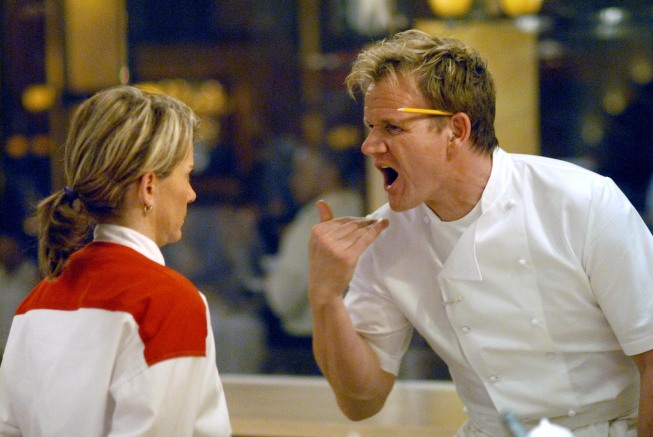
The popular reality cooking competition “Hell’s Kitchen,” hosted by chef Gordon Ramsay, borrows its name directly from the New York neighborhood.
The name was chosen to evoke a chaotic, high-pressure kitchen environment, echoing the intensity historically associated with the real Hell’s Kitchen neighborhood.
While the show isn’t filmed in the actual neighborhood, the name plays on the same fiery, high-stakes reputation the area built over the decades.
Why the Name Fits the Show’s Concept
High Pressure, High Stakes
Just as the neighborhood was once known for its intensity, the show is built around extreme pressure and demanding competition among chefs.
A Recognizable, Evocative Name
“Hell’s Kitchen” instantly signals chaos and heat, making it a fitting title for a competitive cooking show built on tension and drama.
Cultural Crossover
The show has introduced the neighborhood’s name to millions of viewers who may never have heard of the actual Manhattan location otherwise.
Other Notable Facts About Hell’s Kitchen’s History
Nicknamed for More Than a Century
References to the name date back to at least 1881, making it one of the longer-standing neighborhood nicknames in New York City.
Home to Irish Immigrant Communities
Irish immigrants made up a large portion of the population for decades, shaping much of the neighborhood’s early culture and community identity.
Site of Major Redevelopment Projects
Large-scale development, including residential towers and cultural spaces, has significantly changed the area’s skyline over the past few decades.
Table: Hell’s Kitchen Quick Facts
| Fact | Detail |
|---|---|
| Location | West Side of Midtown Manhattan |
| Boundaries | 34th to 59th Street, 8th Avenue to Hudson River |
| Alternate name | Clinton |
| Earliest documented name use | 1881, New York Times |
| Known for today | Theater district proximity, dining scene |
Common Myths About the Hell’s Kitchen Name
A few misconceptions come up often when people search for the origin of the name, and it’s worth addressing them directly.
Myth: There’s One Confirmed Origin Story
In reality, historians widely agree that multiple overlapping stories likely contributed to the name becoming popular, rather than a single confirmed event.
Myth: The Name Was Created for the TV Show
The neighborhood name predates Gordon Ramsay’s show by well over a century, with the show simply borrowing an already famous nickname.
Myth: The Area Is Still Considered Dangerous
While it had a rough reputation historically, the modern neighborhood is generally considered safe and is a popular residential and tourist area today.
Why This Naming Debate Still Matters
It Reflects Real Neighborhood History
The debate over the name isn’t just trivia. It reflects genuine immigrant history, crime patterns, and urban development across more than a century.
It Shows How Nicknames Can Outlast Official Branding
The failed “Clinton” rebrand demonstrates how deeply rooted nicknames can be, even when officials actively push for something more polished.
It Continues to Shape Pop Culture
From the TV show to countless references in film and literature, the name’s gritty history continues to influence how people perceive the area.
Other Neighborhoods With Similarly Colorful Names
Five Points
Once one of Manhattan’s most notorious slums, Five Points shared a similarly harsh reputation with Hell’s Kitchen during the 1800s.
The Bowery
Known historically for poverty and crime, the Bowery followed a comparable pattern of a rough reputation eventually giving way to redevelopment.
Devil’s Kitchen Comparisons
Some other American cities have used similar “hell” or “devil” themed nicknames for rough industrial or tenement districts of their own.
How Historians Piece Together Old Neighborhood Names
Newspaper Archives
Old newspaper clippings, like the 1881 New York Times article, remain one of the most reliable sources for confirming early uses of neighborhood names.
Oral History and Local Folklore
Stories passed down through residents, like the Dutch Fred tale, often can’t be verified directly but still shape how a name is remembered.
Historical Books and Records
Works like Richard O’Connor’s history of Hell’s Kitchen compile multiple sources together, helping separate documented fact from popular legend.
Why No One Origin Story Has Been Proven
Records From the Era Are Incomplete
Much of the documentation from working-class immigrant neighborhoods in the 1800s was informal, making verified records rare.
Nicknames Often Spread Organically
Names like this typically spread through word of mouth long before appearing in print, making the very first use difficult to pin down.
Multiple Stories May All Be Partially True
It’s possible that several of these accounts happened around the same time, each reinforcing the name rather than competing with each other.
What Visitors Should Know About Hell’s Kitchen Today
It’s a Popular Dining Destination
Ninth Avenue in particular is known for its dense stretch of restaurants, making it a favorite spot for food-focused visitors.
It’s Close to Major Attractions
Its location puts visitors within easy walking distance of Times Square, Broadway theaters, and the Hudson River waterfront.
The History Is Still Visible
Older tenement buildings and historic street layouts remain scattered throughout the neighborhood, offering glimpses of its earlier decades.
A Timeline of Hell’s Kitchen’s Evolution
1800s: Immigrant Tenements and Gangs
The neighborhood formed around dense immigrant housing, industrial docks, and rail yards, quickly earning a reputation for poverty and violence.
Early-Mid 1900s: Peak Notoriety
Gang activity and organized crime remained prominent for decades, cementing the neighborhood’s dangerous reputation in local and national press.
Mid-Late 1900s: Rebranding Attempts
Officials pushed the “Clinton” name in hopes of attracting developers, though most residents continued using the original nickname.
2000s-Present: Gentrification and Renewal
Rising real estate interest, new construction, and a growing dining scene transformed the area into one of Manhattan’s more desirable neighborhoods.
Table: Hell’s Kitchen Evolution at a Glance
| Era | Defining Feature |
|---|---|
| 1800s | Formation of tenements and dockside industry |
| Early-mid 1900s | Peak crime and gang activity |
| Mid-late 1900s | Official “Clinton” rebranding push |
| 2000s-present | Gentrification and neighborhood renewal |
Why the Story Behind the Name Still Fascinates People
It Blends Fact and Legend
Few New York neighborhoods have a name origin story that mixes documented journalism with police folklore quite like this one.
It Reflects a Larger American Story
The neighborhood’s immigrant roots and eventual gentrification mirror patterns seen across many major American cities over the past century.
It Keeps Getting Retold
From documentaries to TV shows, the name continues to be referenced and reinterpreted, keeping the mystery alive for new generations.
What the Name Teaches About Neighborhood Identity
Names given out of fear or ridicule don’t always stay negative forever. Hell’s Kitchen is a clear example of a nickname outliving the conditions that created it.
What started as a description of danger and poverty eventually became a marketable, even beloved, identity for the area.
This pattern shows up in cities worldwide, where old, gritty nicknames often survive redevelopment simply because they carry more character than any official replacement.
Frequently Asked Questions (FAQs)
Why is it called Hell’s Kitchen exactly?
There’s no single confirmed origin, but the most common story involves a police officer’s remark about the area’s harsh, dangerous conditions in the late 1800s.
When was Hell’s Kitchen first mentioned in print?
The earliest documented printed use was in 1881, when a New York Times reporter used the term to describe a tenement building.
Is Hell’s Kitchen still called Clinton?
Officially, some records still use Clinton, but “Hell’s Kitchen” remains the far more commonly used name today.
Is Hell’s Kitchen a dangerous neighborhood today?
No, the modern neighborhood is generally considered safe and is a popular area for dining, theater, and residential living.
Where exactly are the boundaries of Hell’s Kitchen?
It generally spans from 34th Street to 59th Street, between Eighth Avenue and the Hudson River in Manhattan.
Is Gordon Ramsay’s show named after the real neighborhood?
Yes, the TV show borrows its name from the New York neighborhood to evoke a chaotic, high-pressure kitchen environment.
Was Hell’s Kitchen named after a gang?
That’s one theory, tied to a local gang called “The Hell’s Kitchen Gang,” though it’s not the only accepted origin story.
Did the name come from London originally?
Some historians believe the phrase may have been borrowed from a South London slum nickname, though evidence for this is limited.
Why did officials try to rename the neighborhood Clinton?
City officials wanted to distance the area from its rough reputation and encourage investment, but the rebrand never fully replaced the original name.
What is Hell’s Kitchen known for today?
It’s known for its dense restaurant scene, proximity to Broadway theaters, and a mix of historic and modern residential buildings.
Conclusion
So, why is it called Hell’s Kitchen? The truth is that no single story fully explains it.
Between the police officer’s remark, the 1881 newspaper report, the local gang, and a handful of other competing tales, the name likely grew out of a mix of real events and neighborhood folklore.
What’s clear is that the name reflected genuine hardship, poverty, and danger in Manhattan’s West Side for decades. Even official attempts to rebrand the area as “Clinton” couldn’t shake the nickname loose.
Today, Hell’s Kitchen stands as a reminder of how deeply a neighborhood’s history and identity can be tied to the story behind its name.