Why Do Gums Bleed? Causes, Prevention & Relief 2026
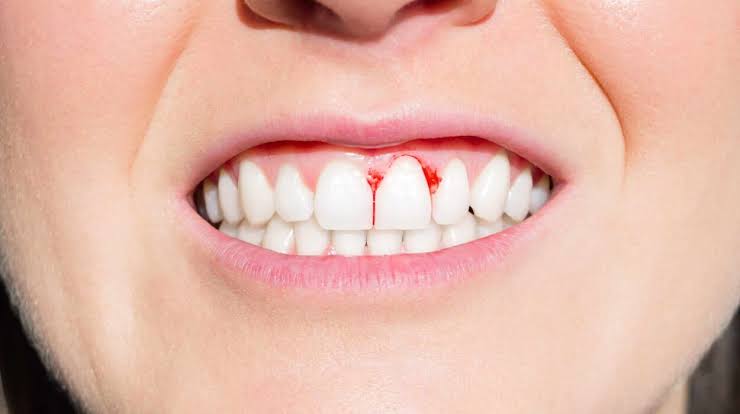
Why Do Gums Bleed? Gums bleed when the tissue surrounding your teeth becomes inflamed or irritated, usually from plaque buildup along the gumline. It’s a common issue that most people notice while brushing or flossing, and it can range from a minor irritation to a sign of something more serious.
In most cases, bleeding gums come down to plaque, aggressive brushing, or early gum disease. Less often, it’s linked to vitamin deficiencies, hormonal changes, medications, or an underlying health condition.
This guide covers every common cause of bleeding gums, proven prevention strategies, fast relief methods, and the warning signs that mean it’s time to see a dentist.
Quick Overview: Bleeding Gums at a Glance
Here’s a fast snapshot before we walk through the full breakdown of causes, prevention, and relief options.
| Question | Short Answer |
|---|---|
| Most common cause | Plaque buildup leading to gingivitis |
| Is it serious | Usually not, but persistent bleeding needs evaluation |
| Fast relief | Saltwater rinse, gentle brushing, cold compress |
| Long-term fix | Consistent brushing, flossing, and dental cleanings |
| See a dentist if | Bleeding lasts more than two weeks or is heavy/unexplained |
What Does It Mean When Your Gums Bleed?
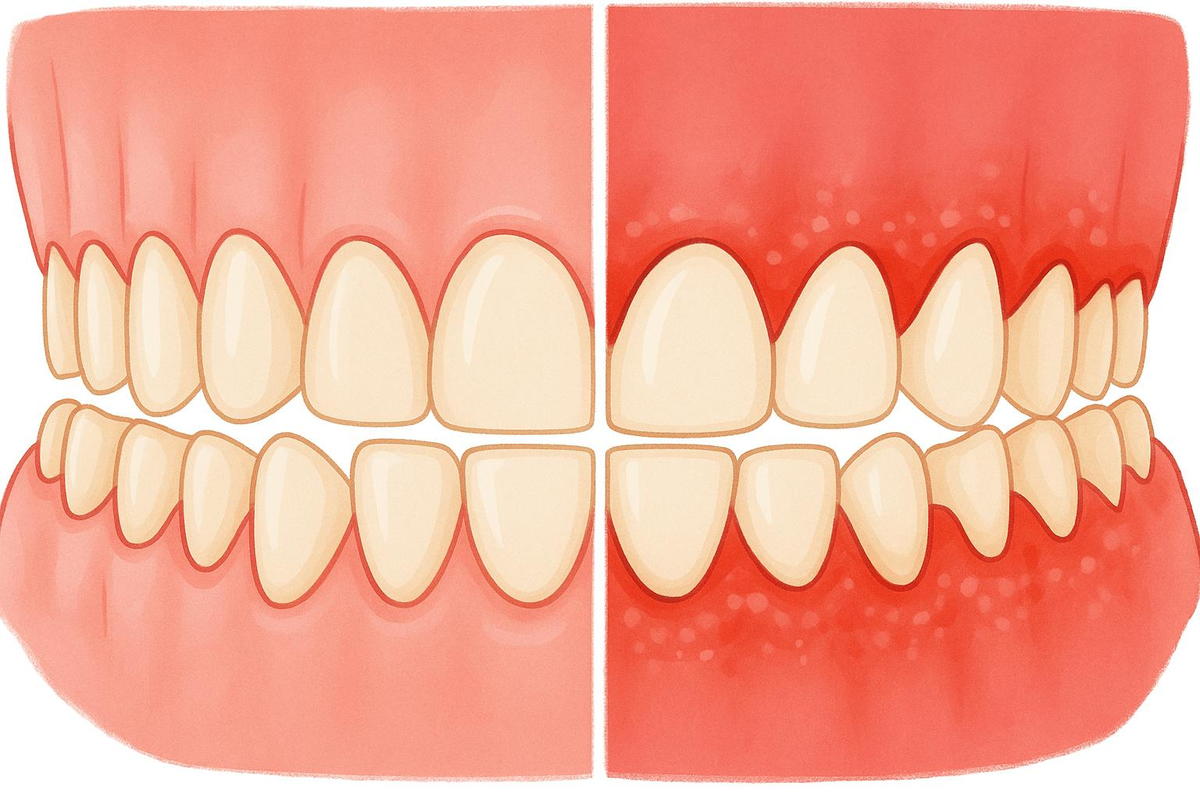
Bleeding gums happen when the soft tissue around your teeth becomes inflamed and fragile. Even light brushing or flossing can cause this irritated tissue to bleed.
The most frequent trigger is plaque, a sticky film of bacteria that builds up along the gumline. When plaque isn’t removed regularly, it irritates the gums and causes them to become red, swollen, and prone to bleeding.
Occasional light bleeding, especially after a deep flossing session, is common and usually resolves with better oral hygiene. Frequent or heavy bleeding deserves closer attention.
Why Do Gums Bleed? Main Causes
There’s rarely just one reason gums bleed. Several dental habits, lifestyle factors, and health conditions can all contribute.
| Cause | What Happens |
|---|---|
| Plaque and tartar buildup | Bacteria irritate the gumline, causing inflammation |
| Gingivitis | Early gum disease inflames and weakens gum tissue |
| Aggressive brushing | Hard bristles or forceful brushing damage delicate tissue |
| Vitamin deficiencies | Low vitamin C or K weakens gum strength and clotting |
| Hormonal changes | Pregnancy or menstruation increases gum sensitivity |
| Blood thinners | Certain medications make gums bleed more easily |
| Underlying conditions | Diabetes, leukemia, or clotting disorders affect gum health |
Plaque and Tartar Buildup
Plaque forms constantly on your teeth from food particles and bacteria. If it isn’t removed through regular brushing and flossing, it hardens into tartar, which irritates the gumline even more.
This buildup is the leading cause of bleeding gums and the easiest one to prevent with consistent oral hygiene.
Gingivitis: The Earliest Stage of Gum Disease
Gingivitis is the mildest form of gum disease, caused by long-term plaque irritation. It causes red, swollen gums that bleed easily during brushing or flossing.
The good news is that gingivitis is usually reversible with improved hygiene and professional cleaning, before it progresses further.
Aggressive Brushing or Flossing
Using a hard-bristled toothbrush or brushing too forcefully can injure the soft gum tissue directly. Over time, this repeated trauma causes gums to bleed even during normal care.
Switching to a soft-bristled brush and using gentler technique often resolves this cause quickly.
Vitamin Deficiencies
Vitamin C supports gum tissue repair, while vitamin K plays a key role in blood clotting. A deficiency in either can make your gums more prone to bleeding and slower to heal.
Vitamin D deficiency has also been linked to a higher risk of gum disease and bleeding.
Hormonal Changes
Pregnancy, puberty, and menstruation all involve hormonal shifts that increase blood flow to the gums, making them more sensitive and prone to bleeding.
This is sometimes called “pregnancy gingivitis” and often improves after hormone levels stabilize.
Blood-Thinning Medications
Medications like aspirin, warfarin, and other anticoagulants reduce your blood’s ability to clot. This can make gums bleed more easily, even from minor irritation.
If you’re on blood thinners and notice increased gum bleeding, mention it to both your doctor and dentist.
Underlying Health Conditions
Conditions like diabetes, leukemia, and clotting disorders can all affect gum health and bleeding tendency. Diabetes in particular increases the risk of gum disease due to its effect on blood vessels and healing.
Rarely, unexplained gum bleeding combined with fatigue or frequent bruising can be an early sign of a blood disorder that needs medical evaluation.
Foods and Habits That Make Bleeding Gums Worse
Certain everyday habits and dietary choices can quietly worsen gum inflammation over time, even if your brushing routine is decent.
| Habit or Food | Why It Matters |
|---|---|
| Smoking or vaping | Weakens the immune response and hides early gum disease signs |
| Sugary snacks and drinks | Feeds plaque-forming bacteria along the gumline |
| Skipping flossing | Leaves plaque trapped between teeth where brushing can’t reach |
| Chronic stress | Can weaken immune response and worsen inflammation |
| Poor diet low in vitamin C | Slows gum tissue repair and increases fragility |
Cutting back on these factors alongside better brushing habits often produces noticeably healthier gums within a few weeks.
Symptoms That Often Accompany Bleeding Gums
Bleeding gums rarely show up completely alone. Paying attention to related symptoms can help identify the underlying cause.
Redness, swelling, and tenderness around the gumline are common with gingivitis. Persistent bad breath can also signal bacterial buildup contributing to bleeding.
Receding gums, loose teeth, or pus between the teeth and gums are more advanced signs that suggest progression toward periodontitis, a more serious form of gum disease.
Bleeding Gums and Gum Disease Progression
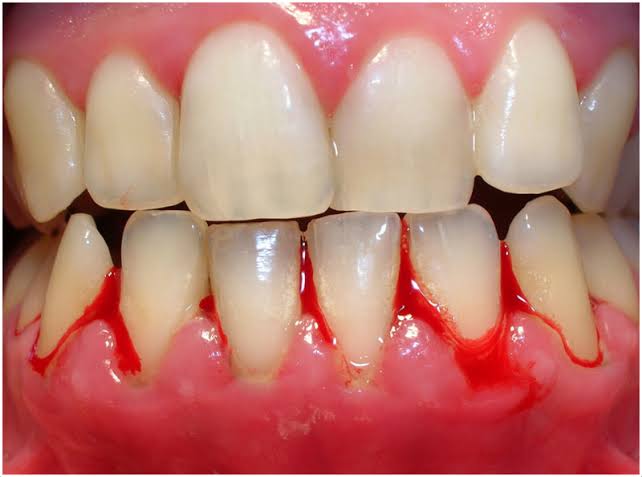
Bleeding gums are often the earliest warning sign of gum disease, starting with gingivitis. If left untreated, gingivitis can progress into periodontitis, a more severe and potentially irreversible condition.
| Stage | Key Signs |
|---|---|
| Gingivitis | Red, swollen gums that bleed easily; usually reversible |
| Early periodontitis | Gum recession begins; bleeding and bad breath persist |
| Moderate periodontitis | Pockets form between teeth and gums; bone loss starts |
| Advanced periodontitis | Loose teeth, significant bone loss, possible tooth loss |
Catching bleeding gums early and addressing the cause is the best way to prevent progression into more serious stages of gum disease.
How to Stop Bleeding Gums Fast
When you notice active bleeding, a few simple steps can help control it quickly and comfortably.
Rinse gently with warm salt water, which helps reduce bacteria and soothe irritated tissue. Mix about half a teaspoon of salt into a cup of warm water.
Apply light pressure with a clean, damp gauze pad directly to the bleeding area for a minute or two. This helps the bleeding stop faster.
A cold compress held against the outside of your cheek can reduce swelling and provide additional comfort if the area feels tender.
Home Remedies for Bleeding Gums
Beyond immediate relief, several natural remedies can support healthier gums over time when used consistently.
| Remedy | How It Helps |
|---|---|
| Saltwater rinse | Reduces bacteria and soothes inflamed tissue |
| Turmeric paste | Has natural anti-inflammatory properties |
| Green tea | Contains antioxidants that may reduce gum inflammation |
| Aloe vera gel | Soothes irritated gum tissue |
| Oil pulling | May help reduce plaque-causing bacteria |
| Diluted hydrogen peroxide rinse | Can help reduce bacteria when used occasionally |
These remedies work best alongside, not instead of, consistent brushing and flossing.
Proper Oral Hygiene: The Foundation of Prevention
Good oral hygiene remains the single most effective way to prevent and treat bleeding gums. A few key habits make the biggest difference.
Brush twice a day for two minutes using a soft-bristled toothbrush and fluoride toothpaste. Use gentle, circular motions rather than aggressive back-and-forth scrubbing.
Floss once daily to remove plaque between teeth where a toothbrush can’t reach. Consistency matters more than perfect technique when you’re just starting out.
Rinse with an antibacterial or fluoride mouthwash to reduce plaque-forming bacteria further, especially in hard-to-reach areas.
Choosing the Right Toothbrush and Technique
The tools and technique you use matter just as much as how often you brush. A few adjustments can significantly reduce gum irritation.
| Factor | Recommendation |
|---|---|
| Bristle type | Soft bristles to avoid damaging gum tissue |
| Brushing angle | 45-degree angle toward the gumline |
| Pressure | Light, gentle pressure, not scrubbing |
| Toothbrush replacement | Every 3 months or sooner if bristles fray |
| Electric vs. manual | Either works well with proper technique |
If you’re unsure whether you’re brushing too hard, ask your dentist to check your technique at your next visit.
Nutrition Tips for Healthier Gums
Diet plays a bigger role in gum health than many people realize. Certain nutrients directly support gum tissue strength and healing.
Vitamin C-rich foods like citrus fruits, bell peppers, and strawberries support collagen production in gum tissue. Vitamin K, found in leafy greens, supports healthy blood clotting.
Calcium and vitamin D from dairy, fortified foods, or sunlight exposure support the bone structure that holds your teeth and gums in place.
Reducing sugary snacks and drinks limits the fuel available for plaque-forming bacteria, directly supporting gum health over time.
Professional Dental Treatments for Bleeding Gums
If home care and improved hygiene don’t resolve bleeding gums within a couple of weeks, a dentist can offer more targeted treatment.
| Treatment | Purpose |
|---|---|
| Professional cleaning | Removes plaque and tartar buildup above and below the gumline |
| Scaling and root planing | Deep cleaning that removes bacteria from gum pockets |
| Antibacterial mouth rinse | Prescription-strength option to reduce bacteria |
| Antibiotic treatment | Targets bacterial infection in more advanced cases |
| Periodontal surgery | Reserved for advanced gum disease with significant damage |
Most cases caught early only require a professional cleaning and improved home care, without needing more invasive treatment.
Bleeding Gums During Pregnancy
Pregnancy hormones increase blood flow to gum tissue, making it more sensitive and prone to bleeding, a condition often called pregnancy gingivitis.
This typically appears in the second trimester and often improves after delivery, once hormone levels return to baseline.
Maintaining consistent oral hygiene during pregnancy is especially important, since untreated gum inflammation has been linked to other pregnancy-related health concerns.
Bleeding Gums in Children
Children can experience bleeding gums too, often linked to the eruption of new teeth, mild gingivitis, or brushing too hard with an adult-sized toothbrush.
Teaching gentle brushing technique early and scheduling regular pediatric dental visits helps prevent bleeding gums from becoming a recurring issue.
If a child’s gums bleed heavily or without an obvious cause, it’s worth mentioning to their pediatric dentist.
Common Myths About Bleeding Gums
Misinformation about bleeding gums is common, and some of it can actually delay proper care. Here’s a quick reality check.
| Myth | Reality |
|---|---|
| Bleeding gums mean you should stop brushing | Gentle brushing actually helps gums heal faster |
| Only poor hygiene causes bleeding gums | Hormones, medications, and health conditions play a role too |
| Bleeding gums always mean gum disease | Early cases often resolve with better hygiene alone |
| Mouthwash alone can fix bleeding gums | It helps, but brushing and flossing matter more |
| Bleeding gums are just cosmetic | Untreated cases can progress to serious gum disease |
When to See a Dentist or Doctor
Occasional light bleeding after flossing usually isn’t a major concern. But certain patterns and symptoms mean it’s time for professional evaluation.
See a dentist if bleeding gums persist for more than two weeks despite consistent, gentle oral hygiene. This timeframe suggests the cause goes beyond simple irritation.
Seek prompt evaluation if bleeding is heavy, occurs without any clear trigger, or comes with symptoms like loose teeth, receding gums, or persistent bad breath. These can indicate progressing gum disease.
Talk to a doctor if gum bleeding is paired with unusual bruising, fatigue, or frequent nosebleeds, since this combination can point to an underlying blood or clotting condition that needs further testing.
Bleeding Gums vs. Normal Gum Sensitivity
Normal gum sensitivity might cause slight discomfort with hot or cold foods, but it doesn’t usually involve visible bleeding. Bleeding gums are a distinct sign of inflammation, not just sensitivity.
If your gums bleed regularly, even without pain, that’s still a signal worth addressing rather than dismissing as simple sensitivity.
Tracking whether bleeding happens with every brushing session or only occasionally can help you and your dentist understand how serious the underlying cause might be.
Are Bleeding Gums Dangerous?
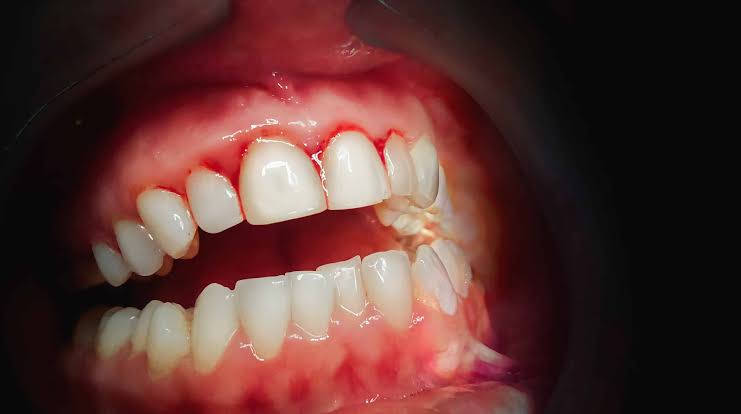
In most cases, bleeding gums are not dangerous on their own. They’re an early, often reversible sign that your gums need more consistent care.
The concern grows if bleeding is heavy, unexplained, or paired with other symptoms like loose teeth or persistent swelling. These patterns suggest a more advanced or unrelated underlying issue.
Think of bleeding gums as useful feedback from your body rather than an emergency. Addressing it early almost always leads to a full recovery.
Who Is Most at Risk for Bleeding Gums?
While bleeding gums can affect anyone, certain groups face a higher risk due to lifestyle, health, or hormonal factors.
Smokers face significantly higher rates of gum disease, partly because smoking masks early warning signs like bleeding by restricting blood flow to the gums.
People with diabetes, pregnant individuals, and those on blood-thinning medications also face increased risk and may need more frequent dental monitoring.
Older adults are more prone to gum recession and periodontitis, which makes consistent preventive care increasingly important with age.
A Simple Daily Oral Care Routine
Building a consistent, simple routine makes prevention far easier than trying to fix problems after they develop. Here’s a practical daily structure to follow.
| Time | Action |
|---|---|
| Morning | Brush for 2 minutes with a soft-bristled brush and fluoride toothpaste |
| After meals | Rinse with water if brushing isn’t possible |
| Evening | Floss thoroughly, then brush again for 2 minutes |
| Weekly | Check gums in the mirror for redness, swelling, or recession |
| Every 6 months | Visit your dentist for a professional cleaning and checkup |
Sticking to this simple structure consistently does more for gum health than any single remedy or product on its own.
The Link Between Gum Health and Overall Health
Gum health isn’t isolated from the rest of your body. Chronic gum inflammation has been associated with increased risk for several broader health conditions.
Research has linked untreated gum disease to a higher risk of heart disease, since inflammation and bacteria from the mouth can enter the bloodstream over time.
People with diabetes and gum disease often find that treating one condition helps improve control of the other, highlighting how connected oral and overall health really are.
Tracking Your Symptoms Over Time
If bleeding gums have become a recurring issue, keeping a simple log can help you and your dentist pinpoint patterns more accurately.
Note which days you notice bleeding, whether it happens during brushing or flossing, and any recent changes in diet, stress, or medication.
After a couple of weeks, review the log for consistent patterns. This information can make your next dental visit far more productive.
Frequently Asked Questions
Is it normal for gums to bleed a little when flossing?
Yes, light bleeding when you first start flossing regularly is common and usually improves within one to two weeks.
Can stress cause bleeding gums?
Yes, chronic stress can weaken your immune response and worsen gum inflammation, making bleeding more likely.
Why do my gums bleed even though I brush every day?
Brushing too hard, using a hard-bristled brush, or missing plaque along the gumline can all still cause bleeding.
Can vitamin deficiencies really cause bleeding gums?
Yes, low vitamin C or vitamin K weakens gum tissue and clotting ability, increasing the likelihood of bleeding.
Should I stop flossing if my gums bleed?
No, continuing gentle flossing usually helps gums heal faster and stop bleeding within a couple of weeks.
Can pregnancy really cause gums to bleed more?
Yes, pregnancy hormones increase blood flow to gum tissue, making it more sensitive and prone to bleeding.
Are bleeding gums always a sign of gum disease?
Not always, but they’re often the earliest warning sign, so it’s worth improving hygiene and monitoring closely.
Can mouthwash alone stop bleeding gums?
Mouthwash helps, but it works best combined with proper brushing and flossing rather than as a standalone fix.
When should I see a dentist for bleeding gums?
See a dentist if bleeding lasts more than two weeks, is heavy, or comes with loose teeth or gum recession.
Can bleeding gums be reversed?
Yes, in the early gingivitis stage, bleeding gums are usually fully reversible with consistent oral hygiene and care.
Conclusion
Bleeding gums are usually caused by plaque buildup, aggressive brushing, or early gingivitis, all of which respond well to consistent, gentle oral hygiene. Less commonly, vitamin deficiencies, hormonal changes, medications, or underlying health conditions play a role.
Most cases improve within one to two weeks with softer brushing, regular flossing, and saltwater rinses. Professional cleanings can help clear stubborn plaque and tartar that home care alone can’t reach.
Pay closer attention if bleeding persists beyond two weeks, is heavy, or comes with loose teeth, gum recession, or unusual bruising elsewhere in your body. In most cases, though, bleeding gums are a manageable, reversible sign that your gums simply need a bit more consistent care.