Why Are My Teeth Transparent? Signs of Enamel Loss 2026
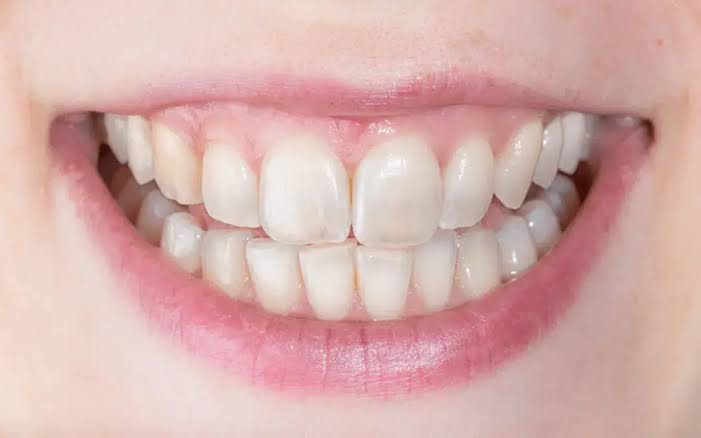
Why are my teeth transparent is a question many people ask after noticing a glassy or see-through edge on their front teeth.
This effect usually appears at the biting edges of the upper or lower incisors and can look bluish, gray, or glass-like in certain lighting.
In most cases, this is an early visible sign of enamel erosion, where the protective outer layer of the tooth has thinned enough to reveal the more translucent dentin beneath.
Understanding why this happens, and what it signals about your dental health, can help you protect your smile before the problem gets worse in 2026 and beyond.
What Does It Mean When Teeth Look Transparent
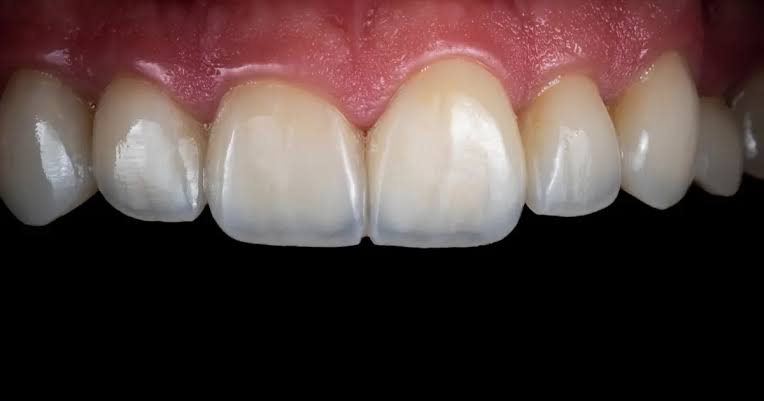
Teeth should naturally appear opaque and evenly colored. A see-through or glassy look at the edges is not normal and usually points to enamel thinning.
This translucency happens because enamel is naturally somewhat clear, while the dentin underneath carries the yellow-white color you associate with healthy teeth. When enamel wears away, more dentin shows through.
The effect is most visible at the incisal edge, which is the thin biting tip of your front teeth. This area has the least enamel thickness to begin with, making it the first place transparency appears.
Why Are My Teeth Transparent? Main Reasons Explained
Several distinct causes can lead to transparent-looking teeth. Most involve either chemical erosion of enamel or a genetic issue with how enamel formed in the first place.
Understanding which cause applies to your situation matters because prevention and treatment differ significantly between acid-related erosion and inherited enamel conditions.
Acidic Foods and Drinks
Frequent consumption of citrus fruits, soda, wine, and vinegar-based dressings can gradually erode enamel. Acid softens the enamel surface, making it wear away more easily over time.
Even sugar-free carbonated drinks carry enough acidity to weaken enamel with regular use. The effect builds slowly, often over years, before transparency becomes noticeable.
Moderating acidic food and drink intake, along with rinsing your mouth with water afterward, can significantly slow this type of erosion.
Acid Reflux and GERD
Gastroesophageal reflux disease allows stomach acid to reach the mouth, often during sleep when saliva flow is lowest. This repeated acid exposure wears down enamel from behind the teeth.
People with chronic GERD symptoms may notice enamel erosion even if their diet is not particularly acidic. The stomach acid itself is far stronger than most food-based acids.
Managing reflux medically, in addition to dental care, is often necessary to stop this type of enamel damage at its source.
Frequent Vomiting or Bulimia
Repeated vomiting, whether from illness, morning sickness, or bulimia, exposes teeth to strong stomach acid on a regular basis. This is one of the most aggressive causes of enamel erosion.
The back surfaces of front teeth are usually affected first, since they have the most direct contact with acid during vomiting episodes.
Rinsing with water rather than brushing immediately after vomiting can help reduce enamel damage, since brushing right away can spread acid across the tooth surface.
Enamel Hypoplasia
Enamel hypoplasia is a genetic condition where teeth develop with insufficient enamel from the start. This is not caused by diet or habits but by how the teeth formed in childhood.
People with this condition often have naturally thin or pitted enamel, making transparency and sensitivity more likely even with good oral hygiene.
Because this is a developmental condition, prevention is not possible, but early cosmetic treatment can protect the teeth and improve appearance significantly.
Celiac Disease and Malabsorption
Celiac disease can interfere with nutrient absorption needed for healthy enamel development, particularly in children. Studies suggest a notable share of pediatric celiac patients also show enamel defects.
This connection between gut health and enamel strength is often overlooked, but it explains why some people develop transparent or pitted teeth despite careful brushing habits.
Managing celiac disease through diet can help protect future enamel development, though existing damage in adult teeth generally cannot be reversed.
Dry Mouth and Reduced Saliva
Saliva contains calcium, phosphorus, and bicarbonate, which help repair and protect enamel naturally throughout the day. Reduced saliva flow removes this protective process.
Certain medications, including antihistamines, decongestants, and antidepressants, are known to cause dry mouth as a side effect. This indirectly increases the risk of enamel erosion.
Staying hydrated and discussing dry mouth symptoms with a doctor or dentist can help reduce this risk over time.
Aggressive Brushing and Teeth Grinding
Brushing too hard, using a hard-bristled toothbrush, or grinding your teeth at night can physically wear down enamel over time. This is a mechanical rather than chemical cause of erosion.
Bruxism, or chronic teeth grinding, often happens unconsciously during sleep and can cause significant enamel loss before a person even notices symptoms.
Switching to a soft-bristled brush and using a nightguard for grinding are two of the simplest ways to slow this type of damage.
Medications and Nutritional Deficiencies
Certain medications, including tetracycline antibiotics taken during childhood tooth development, can permanently affect enamel structure and appearance later in life.
Deficiencies in vitamins and minerals essential for enamel strength, including calcium and vitamin D, can also weaken enamel over time, particularly during childhood development.
Discussing your full medication history and diet with a dentist can help identify whether either factor is contributing to visible enamel changes.
Common Causes of Transparent Teeth at a Glance
The table below summarizes the main causes covered above for quick reference.
| Cause | Type | Reversible With Prevention |
|---|---|---|
| Acidic foods and drinks | Chemical erosion | Yes, largely preventable |
| Acid reflux or GERD | Chemical erosion | Partially, with medical management |
| Frequent vomiting or bulimia | Chemical erosion | Partially, with treatment |
| Enamel hypoplasia | Genetic condition | No, present from development |
| Celiac disease | Medical, nutritional | Partially, in future enamel only |
| Dry mouth | Reduced saliva protection | Yes, with hydration and care |
| Aggressive brushing or grinding | Mechanical wear | Yes, with technique changes |
| Certain medications | Chemical, developmental | No, if damage already occurred |
This table shows that while some causes can be slowed or prevented, others are permanent and require cosmetic treatment rather than avoidance.
Early Signs of Enamel Loss to Watch For
Transparency at the edges of front teeth is often just one of several signs that enamel is wearing down. Recognizing the full pattern helps catch erosion early.
Increased sensitivity to hot, cold, or sweet foods is frequently one of the first symptoms people notice, often before visible transparency appears.
A yellowing appearance across the whole tooth can occur as enamel thins and more of the dentin’s natural color shows through.
Rough or uneven tooth edges, along with small chips or cracks, often develop as enamel becomes weaker and less able to withstand normal biting pressure.
Increased shine or a glassy texture on the tooth surface can also indicate smoothing caused by acid erosion rather than natural wear.
Signs of Enamel Loss Comparison Table
The table below compares mild, moderate, and advanced signs of enamel erosion to help you gauge severity.
| Stage | Visible Signs | Typical Symptoms |
|---|---|---|
| Mild | Slight edge transparency | Occasional sensitivity |
| Moderate | Noticeable yellowing, glassy edges | Frequent sensitivity, minor chipping |
| Advanced | Significant transparency, visible dentin | Pain, cracks, structural weakness |
If you recognize moderate or advanced signs from this table, a dental visit is strongly recommended rather than waiting for symptoms to worsen.
Can Transparent Teeth Be Reversed
Once enamel is lost, it cannot regenerate or regrow naturally. This is because enamel contains no living cells capable of repair, unlike other tissues in the body.
However, remineralization can strengthen and protect the enamel that remains, slowing further erosion even though it cannot restore lost thickness.
For visible transparency and cosmetic concerns, dental treatments are typically needed to restore both appearance and function rather than relying on prevention alone.
Treatment Options for Transparent Teeth
Dentists offer several approaches depending on how much enamel has been lost and whether the concern is mainly cosmetic or also functional.
Bonding
Bonding involves applying a tooth-colored composite resin to the affected areas. It is a fast, minimally invasive option often completed in a single dental visit.
This treatment works well for mild to moderate transparency and also adds a protective layer that can help slow further erosion.
Veneers
Veneers are thin, custom-made shells placed over the front surface of teeth. They effectively cover transparency and reshape the appearance of the smile.
Veneers are a popular option for people seeking a longer-lasting cosmetic solution compared to bonding, though they require more preparation of the natural tooth.
Crowns
Crowns cover the entire tooth rather than just the front surface, making them suitable for more severe enamel loss involving chips or structural weakness.
This option is often recommended when transparency is accompanied by significant wear, cracking, or risk of further tooth damage.
Remineralization Therapy
Remineralization uses fluoride treatments and calcium-rich products to strengthen existing enamel. It cannot rebuild lost enamel but can protect what remains.
Dentists may recommend in-office fluoride treatments alongside fluoride toothpaste for daily use to support this process at home.
Treatment Options Comparison Table
| Treatment | Best For | Invasiveness |
|---|---|---|
| Remineralization | Early, mild erosion | Non-invasive |
| Bonding | Mild to moderate transparency | Minimally invasive |
| Veneers | Moderate to significant cosmetic concerns | Moderately invasive |
| Crowns | Severe enamel loss with structural damage | More invasive |
Choosing the right treatment depends on both the severity of enamel loss and personal cosmetic goals, so a dental consultation is the best starting point.
How to Prevent Further Enamel Loss
While existing enamel loss cannot be reversed, several habits can help protect the enamel you still have and slow further transparency.
Using a soft-bristled toothbrush and gentle brushing technique reduces mechanical wear on enamel, especially for people prone to brushing too hard.
Limiting acidic foods and drinks, or rinsing with water afterward, reduces the chemical erosion process that gradually thins enamel over time.
Staying hydrated supports healthy saliva flow, which naturally helps protect and remineralize enamel throughout the day.
Wearing a nightguard if you grind your teeth can prevent significant mechanical enamel loss that often happens unconsciously during sleep.
Scheduling regular dental checkups every six months allows your dentist to catch early enamel erosion before it becomes visibly noticeable.
Prevention Habits at a Glance
| Habit | Purpose | Frequency |
|---|---|---|
| Soft-bristled brushing | Reduce mechanical wear | Twice daily |
| Limit acidic foods and drinks | Reduce chemical erosion | Ongoing, moderate |
| Fluoride toothpaste | Support remineralization | Twice daily |
| Nightguard for grinding | Prevent bruxism-related wear | Nightly, if needed |
| Dental checkups | Early detection | Every six months |
Consistently following these habits offers the best chance of preserving remaining enamel and preventing new areas of transparency from developing.
When to See a Dentist
Not every case of transparent teeth requires urgent care, but certain signs suggest you should schedule an appointment sooner rather than later.
Increasing sensitivity to temperature or sweetness, especially if it is new or worsening, is a strong signal that enamel erosion is actively progressing.
Visible chips, cracks, or rough edges alongside transparency suggest structural weakening that may need treatment beyond simple monitoring.
If transparency has appeared suddenly or spread quickly across multiple teeth, this may indicate an underlying medical cause such as reflux or bulimia that also needs attention.
Related Terms and Searches People Also Use
People researching this topic often search using slightly different wording. Covering these variations helps address the full range of related questions.
Common related searches include “why are my teeth translucent,” “clear teeth at the bottom,” “see-through teeth edges,” “enamel erosion symptoms,” and “why do my front teeth look glassy.”
Other frequent queries include “is it normal for teeth to be transparent,” “enamel hypoplasia vs enamel erosion,” and “how to fix thin enamel naturally.”
These variations all point back to the same underlying concern, enamel thinning, but understanding the different phrasing helps confirm you are looking at the right condition.
Myths and Facts About Transparent Teeth
Several misconceptions exist around transparent teeth. Clearing these up helps set realistic expectations for treatment and prevention.
Myth: transparent teeth mean poor hygiene. Fact: Many causes, including genetics, reflux, and medication side effects, have nothing to do with brushing habits or cleanliness.
Myth: enamel can regrow with the right toothpaste. Fact: Enamel has no living cells and cannot regenerate once lost, though remineralization can strengthen what remains.
Myth: only older adults get transparent teeth. Fact: Children and young adults can develop transparency due to genetic conditions, nutritional issues, or acid exposure from reflux or vomiting.
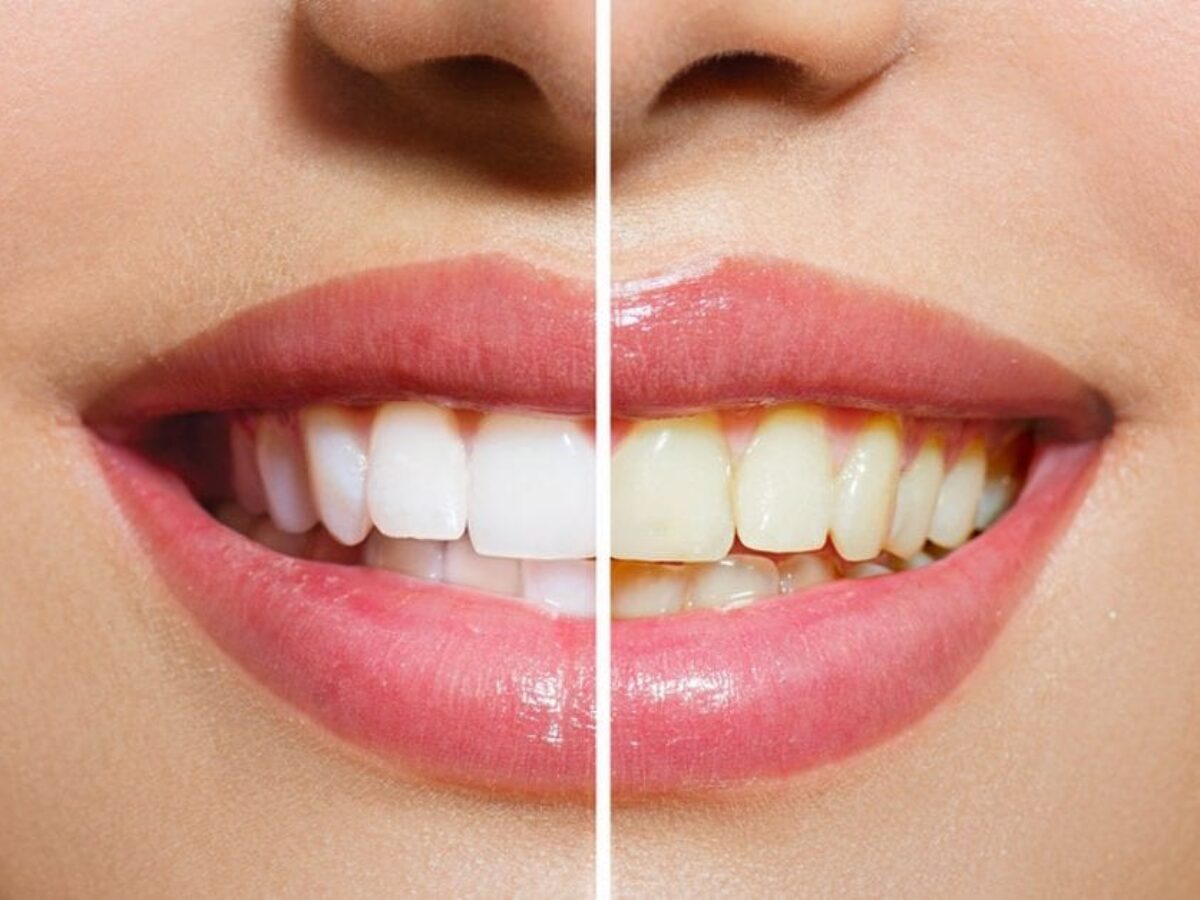
Myth: whitening treatments fix transparency. Fact: Whitening addresses surface color but does not restore enamel thickness or eliminate the see-through appearance at the edges.
Diet Tips to Protect Remaining Enamel
Diet plays a major role in either protecting or accelerating enamel loss. A few practical adjustments can make a meaningful difference over time.
Pairing acidic foods with meals rather than eating them alone can reduce the amount of time acid stays in direct contact with teeth.
Drinking acidic beverages through a straw helps limit contact between the liquid and the front teeth, reducing erosion at the biting edges specifically.
Choosing water over soda or juice as a primary daily beverage significantly lowers overall acid exposure throughout the day.
Including calcium-rich foods like dairy, leafy greens, and fortified products supports the natural remineralization process that helps protect existing enamel.
Diet Adjustments at a Glance
| Habit | Benefit | Easy to Adopt |
|---|---|---|
| Pair acidic foods with meals | Reduces acid contact time | Yes |
| Use a straw for acidic drinks | Limits contact with front teeth | Yes |
| Choose water over soda | Lowers daily acid exposure | Yes |
| Eat calcium-rich foods | Supports remineralization | Yes |
Small, consistent dietary changes often make a bigger long-term difference than occasional strict avoidance of acidic foods.
Home Care Routine for Enamel Protection
Beyond diet, a consistent daily oral care routine plays a central role in slowing enamel erosion and protecting remaining tooth structure.
Using a fluoride toothpaste twice daily helps strengthen enamel through the natural remineralization process supported by fluoride exposure.
Waiting at least thirty minutes after eating or drinking acidic items before brushing allows saliva to naturally neutralize acid and protect softened enamel from being brushed away.
Flossing daily helps prevent additional bacterial acid production between teeth, which can compound erosion already caused by diet or medical conditions.
Using an alcohol-free mouthwash can help maintain saliva balance, since alcohol-based rinses may contribute to dry mouth in some people.
Who Is Most at Risk of Transparent Teeth
Certain groups face a higher likelihood of developing transparent or translucent teeth based on lifestyle, medical history, or genetics.
People who frequently consume acidic foods and drinks, including athletes who rely on sports drinks, often show earlier signs of enamel erosion at the edges.
Individuals with GERD, chronic vomiting conditions, or eating disorders face significantly elevated risk due to repeated stomach acid exposure in the mouth.
Those with a family history of enamel hypoplasia or celiac disease may notice transparency appearing earlier in life, sometimes even in childhood teeth.
People who grind their teeth at night, often without realizing it, are also at higher risk since mechanical wear compounds any existing chemical erosion.
Frequently Asked Questions (FAQs)
1. Why are my teeth transparent at the edges?
Transparent edges usually indicate enamel erosion, where thinning enamel reveals the more translucent dentin underneath. This is most common at the biting edges of front teeth.
2. Can transparent teeth be fixed?
Yes, treatments like bonding, veneers, and crowns can restore appearance and protect the tooth. However, the original enamel itself cannot regrow.
3. Is transparent teeth a sign of a serious problem?
It can indicate underlying issues like acid reflux, bulimia, or celiac disease in some cases. It is worth mentioning to your dentist during a checkup.
4. Does brushing too hard cause transparent teeth?
Yes, aggressive brushing with a hard-bristled brush can mechanically wear down enamel over time. Switching to a soft brush can help slow this process.
5. Are transparent teeth reversible with fluoride?
Fluoride can strengthen remaining enamel but cannot rebuild enamel that has already been lost. It helps prevent further erosion rather than reversing existing damage.
6. What foods cause enamel erosion and transparency?
Citrus fruits, soda, wine, and vinegar-based foods are common contributors due to their acidity. Frequent consumption gradually weakens enamel over time.
7. Can kids develop transparent teeth?
Yes, especially due to genetic conditions like enamel hypoplasia or nutritional issues linked to celiac disease. Early dental evaluation is recommended in these cases.
8. Does acid reflux really affect tooth enamel?
Yes, stomach acid reaching the mouth through GERD can erode enamel significantly over time. This often affects the back surfaces of front teeth first.
9. What is the fastest treatment for transparent teeth?
Bonding is typically the fastest option, often completed in a single dental visit. It restores appearance and adds a protective layer to the tooth.
10. How can I prevent transparent teeth from getting worse?
Limit acidic foods, brush gently, stay hydrated, and use a nightguard if you grind your teeth. Regular dental checkups also help catch erosion early.
Conclusion
Transparent or translucent teeth are usually an early visible sign of enamel erosion rather than a cosmetic accident. Causes range from acidic foods and acid reflux to genetic conditions like enamel hypoplasia and habits like aggressive brushing or teeth grinding.
While lost enamel cannot regrow, treatments such as bonding, veneers, crowns, and remineralization therapy can restore both appearance and protection.
Prevention matters most for anyone still in the early stages, since gentle brushing, reduced acid exposure, proper hydration, and regular dental visits can significantly slow further erosion.
If you have noticed increasing transparency, sensitivity, or changes in your teeth’s appearance, scheduling a dental checkup sooner rather than later gives you the best chance of protecting your smile and preventing more serious complications down the line in 2026.