Why Is My Dog Coughing So Much? Is It Serious? 2026

Why is my dog coughing so much is one of the most common questions pet owners search the moment they hear a strange, repeated hack coming from their furry friend.
A cough now and then is completely normal, similar to how people occasionally clear their throat.
But when coughing becomes frequent, harsh, or paired with other symptoms, it can point to something that needs closer attention.
Why Is My Dog Coughing So Much? The Short Answer
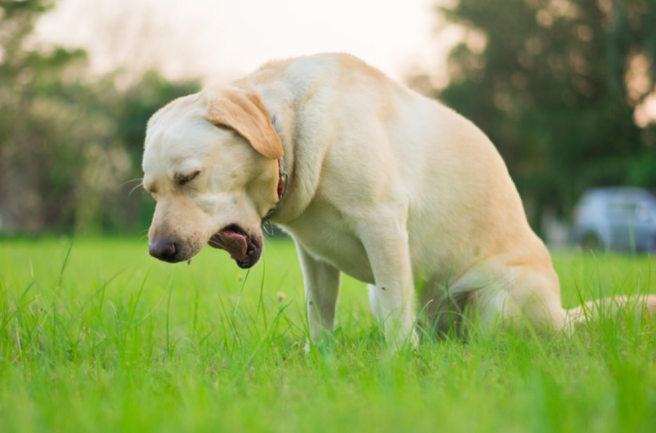
Dogs cough for many reasons, ranging from a simple tickle in the throat to serious heart or lung disease.
Occasional, isolated coughing is usually harmless and often clears up on its own within a day.
Frequent, persistent, or worsening coughing is a signal that your dog’s airway, lungs, or heart may need veterinary evaluation.
Quick Overview Table
| Cough Type | Likely Cause | Urgency Level |
|---|---|---|
| Occasional single cough | Dust, water, mild throat tickle | Low |
| Dry, honking cough | Kennel cough or tracheal collapse | Moderate |
| Wet, phlegmy cough | Pneumonia or lower airway infection | High |
| Soft, continuous cough at night | Heart disease | High |
| Sudden gagging cough | Foreign object stuck in throat | Emergency |
Is It Normal for Dogs to Cough Sometimes?
Just like humans, dogs cough now and then as a natural reflex.
Coughing helps clear the airway of dust, mucus, or minor irritants without indicating any illness.
When a Cough Is Nothing to Worry About
A single cough after drinking water quickly or sniffing something dusty is rarely a cause for concern.
If your dog remains playful, eats normally, and the cough doesn’t return, it’s likely just a passing irritation.
When Occasional Becomes a Pattern
Coughing that repeats several times a day, or returns every few hours, moves beyond the “normal” category.
At that point, it’s worth tracking how often it happens and what triggers it before contacting your vet.
Common Causes of Dog Coughing
Coughing in dogs can stem from infections, allergies, structural airway problems, or heart issues.
Understanding the most frequent causes helps you narrow down what might be affecting your dog.
Kennel Cough
Kennel cough, also called infectious tracheobronchitis, is a highly contagious respiratory illness common in dogs that visit boarding facilities, dog parks, or training classes.
It typically produces a dry, hacking, goose-honk sound and often isn’t serious in otherwise healthy dogs.
Most cases resolve within two to three weeks, though persistent or worsening symptoms should be checked by a vet.
Tracheal Collapse
Tracheal collapse happens when the cartilage rings supporting the windpipe weaken, causing the airway to partially cave in.
This condition is most common in small and toy breeds like Yorkshire Terriers and Chihuahuas.
The resulting cough is dry, harsh, and often triggered by excitement, exercise, or hot weather.
Heart Disease
Heart disease is one of the most common serious causes of chronic coughing in dogs, especially older ones.
An enlarged heart can press against the airway or cause fluid buildup in the lungs, both of which trigger coughing.
This type of cough is often soft, continuous, and noticeably worse at night or when your dog is lying down.
Allergies and Airway Irritants
Allergens such as pollen, dust, smoke, or household sprays can irritate a dog’s airway and trigger repeated coughing.
Coughing from allergies is usually mild and tends to improve once the irritant is removed from the environment.
Foreign Objects Stuck in the Throat
Dogs explore the world through sniffing and chewing, which makes it easy for grass, sticks, or small objects to become lodged in their throat.
This typically causes sudden, forceful coughing or gagging that does not stop on its own.
If you suspect something is stuck, this is considered an emergency requiring immediate veterinary care.
Lung Infections and Pneumonia
Pneumonia can be caused by bacteria, viruses, fungi, or inhaled irritants, and it affects the lower airways and lungs.
A wet, phlegmy, gurgling cough is a strong indicator of pneumonia and requires prompt veterinary attention.
Heartworm Disease
Heartworms are transmitted through mosquito bites and gradually mature into worms that live in the heart and lungs.
A progressive cough that worsens over time is one of the earliest visible signs of heartworm infection.
Year-round heartworm prevention is the most effective way to avoid this potentially life-threatening condition.
Collar Pressure and Leash Pulling
Coughing is common in dogs that pull hard on their leash while wearing a collar, since pressure lands directly on the windpipe.
Switching to a well-fitted harness often reduces or eliminates this type of coughing entirely.
Lungworm
Lungworm is a parasite dogs can pick up by eating infected snails, slugs, or contaminated grass.
Beyond coughing, lungworm can cause other symptoms like reduced appetite and lethargy, making regular deworming important.
Cough Sounds and What They Mean
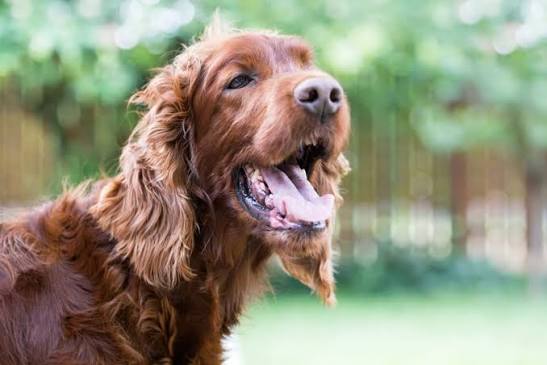
The sound of your dog’s cough offers real clues about what might be happening internally.
Paying attention to pitch, wetness, and timing can help your vet reach a diagnosis faster.
Cough Sound Comparison Table
| Sound Description | Possible Cause |
|---|---|
| Dry, goose-honk sound | Kennel cough or tracheal collapse |
| Wet, gurgling, or phlegmy | Pneumonia or lower respiratory infection |
| Soft and continuous, worse at night | Heart disease |
| High-pitched, gagging sound | Sore throat or upper airway irritation |
| Sudden, sharp, forceful cough | Foreign object in throat |
Reverse Sneezing Isn’t a Cough
Many pet owners mistake reverse sneezing for coughing, though the two sound quite different up close.
Reverse sneezes happen in short bursts and are usually triggered by nasal irritation rather than the airway or lungs.
Occasional reverse sneezing is normal, but frequent episodes with nasal discharge should still be mentioned to your vet.
Symptoms That Should Prompt a Vet Visit
Certain warning signs mean a cough has moved beyond “wait and watch” territory.
Recognizing these symptoms early can make treatment simpler and more effective.
Watch for These Signs
- Coughing that occurs repeatedly throughout the day rather than just once.
- Coughing fits that interfere with eating, sleeping, or normal activity.
- A cough accompanied by gagging, retching, or visible discomfort.
- Nasal discharge, fever, or noticeable lethargy alongside the cough.
- Loss of appetite or unexplained weight loss over several days.
Emergency Warning Signs
- Labored, rapid, or visibly difficult breathing.
- Blue or pale-tinged gums instead of a healthy pink color.
- Collapse or extreme weakness during or after a coughing episode.
- Choking sounds paired with pawing at the mouth or throat.
If any emergency signs appear, contact an emergency veterinary clinic immediately rather than waiting for a regular appointment.
How Vets Diagnose the Cause of Coughing
A veterinary diagnosis usually starts with a detailed history and a hands-on physical exam.
What Your Vet Will Ask
Your vet will likely ask how long the cough has lasted, how often it happens, and what it sounds like.
They may also ask about recent boarding stays, travel history, and any other symptoms you’ve noticed at home.
Diagnostic Tools Vets May Use
- Listening to the heart and lungs with a stethoscope.
- Chest X-rays to check for fluid, tumors, or enlarged organs.
- Blood tests to screen for infections, heartworm, or organ function issues.
- Ultrasound imaging for a closer look at the heart and lungs.
Why a Video Can Help
Recording a short video of your dog’s coughing episode can help your vet distinguish between coughing, gagging, and reverse sneezing.
This small step often speeds up diagnosis, especially if the cough doesn’t happen during the actual appointment.
Treatment Options Based on Cause
Treatment for dog coughing depends entirely on the underlying condition causing it.
There is no single fix, which is why an accurate diagnosis matters so much.
Treatment Table by Cause
| Cause | Typical Treatment Approach |
|---|---|
| Kennel cough | Rest, isolation from other dogs, sometimes antibiotics |
| Tracheal collapse | Weight management, medication, or surgery in severe cases |
| Heart disease | Heart medications and ongoing monitoring |
| Allergies | Removing irritants, antihistamines if recommended by a vet |
| Foreign object | Removal by a vet, sometimes via endoscope or surgery |
| Heartworm disease | Vet-supervised treatment protocol and prevention |
Home Care for Mild Cases
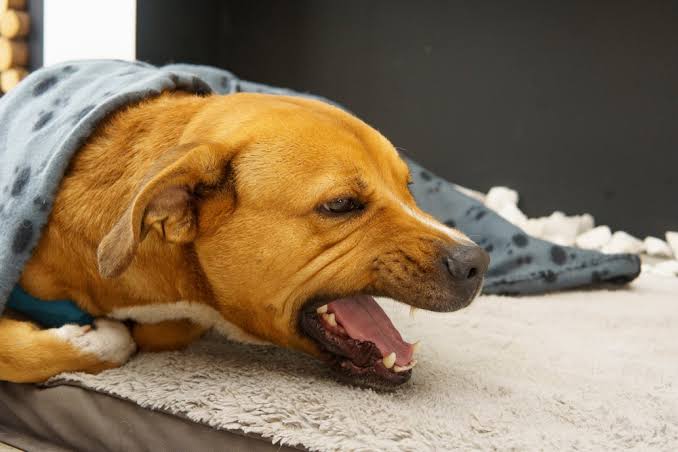
For mild, short-term coughing, keeping your dog calm, hydrated, and away from irritants like smoke often helps.
Steam therapy, such as sitting in a bathroom while a hot shower runs, can soothe minor throat irritation.
Always check with your vet before trying any home remedy, especially if symptoms persist beyond a day or two.
Breeds More Prone to Coughing Issues
Certain breeds face a higher risk of specific coughing-related conditions due to their body structure.
Small and Toy Breeds
Yorkshire Terriers, Chihuahuas, and other small breeds are especially prone to tracheal collapse as they age.
Keeping these dogs at a healthy weight can significantly reduce strain on their airway.
Flat-Faced Breeds
Pugs, French Bulldogs, and Shih Tzus often experience brachycephalic airway syndrome, which can cause chronic coughing and breathing difficulty.
These breeds benefit from avoiding extreme heat and overly strenuous exercise that can worsen airway stress.
Senior Dogs
Older dogs face a higher risk of heart disease and chronic bronchitis, both common causes of long-term coughing.
Regular wellness checkups become increasingly important as dogs move into their senior years.
Coughing After Exercise or Excitement
Some dogs only cough during or right after physical activity, which points to a few specific possibilities.
Why Activity Triggers Coughing
Excitement and exercise increase breathing rate, which can aggravate an already sensitive trachea or airway.
This pattern is especially common with tracheal collapse and mild bronchitis in small breed dogs.
When It’s Just Cold Air
Cold air can irritate a dog’s airway during winter walks, especially in dogs with sensitive respiratory systems.
If the cough is brief and stops once your dog warms up indoors, it’s usually just temporary irritation.
Preventing Coughing Episodes at Home
While not every cause of coughing is preventable, several simple steps reduce common triggers.
Practical Prevention Tips
- Use a harness instead of a collar to reduce pressure on the windpipe.
- Keep your dog on a consistent heartworm and parasite prevention schedule.
- Avoid exposing your dog to smoke, strong sprays, or heavily scented candles.
- Maintain a healthy weight to reduce strain on the trachea and heart.
- Limit exposure to crowded dog areas during local kennel cough outbreaks.
Vaccination Considerations
Vaccines are available for kennel cough and can reduce the likelihood or severity of infection.
Talk to your vet about which vaccines make sense based on your dog’s lifestyle and exposure risk.
Puppy Coughing vs. Adult Dog Coughing
Age plays a real role in which causes are most likely behind a cough.
Puppies, adult dogs, and seniors each face different risk factors worth understanding.
Why Puppies Cough
Puppies have developing immune systems, making them more vulnerable to kennel cough and other contagious respiratory infections.
Coughing in young puppies should be checked promptly, since their smaller airways can be affected more quickly by illness.
Why Adult Dogs Cough
Adult dogs in good health most often cough due to kennel cough, allergies, or minor airway irritation.
Persistent coughing in an otherwise healthy adult dog still warrants a vet visit to rule out early-stage conditions.
Why Senior Dogs Cough
Senior dogs face a higher risk of chronic bronchitis, tracheal collapse, and heart disease, all common causes of long-term coughing.
Because these conditions can develop gradually, regular checkups help catch subtle changes before they become severe.
Dog Coughing and Gagging Together: What It Means
A cough followed by gagging is a combination many pet owners find alarming, and understanding it helps ease that worry.
Why Gagging Follows a Cough
Gagging typically happens as your dog tries to clear mucus or relieve throat discomfort right after coughing.
This combination is especially common with kennel cough, mild throat irritation, or something caught in the back of the throat.
Mild vs. Concerning Gagging
Mild cases usually involve occasional coughing followed by brief gagging that clears up quickly, with your dog remaining active and eating normally.
Concerning cases involve frequent gagging, labored breathing, or gagging that doesn’t resolve within a day, which calls for a same-day vet check.
Seasonal and Environmental Triggers
Certain times of year and environments can increase coughing frequency in otherwise healthy dogs.
Spring and Summer Allergens
Pollen levels rise significantly in spring and summer, often triggering allergy-related coughing in sensitive dogs.
Keeping windows closed during high-pollen days and rinsing your dog’s paws after walks can help reduce exposure.
Winter Air Irritation
Cold, dry winter air can irritate the airway, particularly in dogs with pre-existing tracheal or lung sensitivity.
Limiting time outdoors during extreme cold snaps can help minimize irritation-related coughing.
Indoor Air Quality
Scented candles, air fresheners, and cigarette smoke are common indoor irritants that can trigger coughing in sensitive dogs.
Improving ventilation and reducing strong scents at home often leads to noticeably fewer coughing episodes.
Cost Considerations for Diagnosing a Dog’s Cough
Understanding potential costs can help pet owners plan ahead when a cough requires veterinary attention.
Typical Diagnostic Costs
A standard veterinary exam for coughing often includes a physical check, which is generally the most affordable starting point.
Additional diagnostics like X-rays, bloodwork, or ultrasound add cost but provide much clearer answers for persistent or severe cases.
Cost Comparison Table
| Diagnostic Step | Relative Cost Level |
|---|---|
| Physical exam | Low |
| Basic bloodwork | Low to moderate |
| Chest X-rays | Moderate |
| Ultrasound imaging | Moderate to high |
| Endoscopy or surgery | High |
Why Early Action Saves Money
Catching a cough’s cause early often means simpler, less expensive treatment compared to waiting until symptoms become severe.
Pet insurance or a dedicated savings fund can also help offset unexpected diagnostic and treatment costs.
Myths About Dog Coughing You Shouldn’t Believe
Several common myths cause pet owners to either overreact or underreact to a dog’s cough.
Clearing these up helps you respond appropriately based on facts rather than assumptions.
Myth: A Cough Always Means Kennel Cough
While kennel cough is common, coughing can also stem from allergies, heart disease, foreign objects, or lung infections.
Assuming every cough is kennel cough can delay diagnosis of more serious underlying conditions.
Myth: Small Coughs Never Need a Vet Visit
A single cough is usually harmless, but repeated small coughs over several days can still indicate an early-stage issue.
Tracking frequency over a few days gives you and your vet a clearer picture than judging from one isolated cough.
Myth: Only Old Dogs Get Serious Coughs
While seniors face higher risk for heart-related coughing, young dogs can develop kennel cough, pneumonia, or airway obstructions just as easily.
Age is one factor among many, not a guarantee of safety from serious coughing conditions.
Myth: Human Cough Medicine Is Safe for Dogs
Many human cough medications contain ingredients that are unsafe or even toxic for dogs.
Never give your dog any medication without first confirming safety and dosage with your veterinarian.
When to Seek Emergency Care Immediately
Some situations require immediate action rather than waiting for a scheduled appointment.
Red Flags That Require Same-Day Care
If your dog’s gums turn blue or pale, this indicates a lack of oxygen and needs urgent attention.
Continuous coughing that prevents your dog from resting, eating, or settling down should not be left untreated overnight.
What to Do While Heading to the Vet
Keep your dog calm and speak softly, since stress can worsen breathing difficulty during a coughing episode.
Avoid offering food right before travel, though small sips of water are usually fine if your dog isn’t actively coughing.
Frequently Asked Questions (FAQs)
1. Why is my dog coughing so much all of a sudden?
Sudden coughing often points to kennel cough, a foreign object stuck in the throat, or irritation from dust or allergens.
2. Is dog coughing usually serious?
Not always. Occasional coughing is normal, but frequent, worsening, or wet coughing can signal a more serious condition.
3. What does a heart-related dog cough sound like?
Heart-related coughing is typically soft, continuous, and noticeably worse at night or when your dog is resting.
4. Should I take my dog to the vet for coughing?
Yes, if the cough lasts more than a day or two, worsens, or comes with other symptoms like lethargy or appetite loss.
5. Can allergies make my dog cough?
Yes, allergens like pollen, dust, and smoke can irritate the airway and trigger repeated coughing episodes.
6. What does kennel cough sound like?
Kennel cough usually sounds like a dry, harsh, goose-honk noise, often triggered by excitement or pressure on the throat.
7. Can a collar cause my dog to cough?
Yes, pulling against a collar puts pressure directly on the windpipe, which can trigger repeated coughing episodes.
8. Is it an emergency if my dog is coughing and can’t breathe?
Yes, difficulty breathing combined with coughing is an emergency and requires immediate veterinary attention.
9. Can heartworms cause coughing in dogs?
Yes, heartworm disease often causes a progressive cough that worsens over time as the infection develops.
10. How do vets diagnose the cause of a dog’s cough?
Vets use physical exams, chest X-rays, blood tests, and sometimes ultrasound to identify the exact cause of coughing.
Conclusion
So, why is my dog coughing so much, and is it serious? The answer depends heavily on the sound, frequency, and accompanying symptoms of the cough.
Occasional coughing after dust or water is usually harmless, while persistent, wet, or nighttime coughing often points to conditions like kennel cough, tracheal collapse, allergies, or heart disease.
Paying close attention to how often your dog coughs, what triggers it, and whether other symptoms like lethargy or breathing trouble appear can help you decide how urgently to act.
Mild cases often improve with rest and simple home care, but persistent or severe coughing always deserves a proper veterinary evaluation.
When in doubt, a quick vet visit can catch a manageable issue early, giving your dog the best chance at a fast and comfortable recovery.