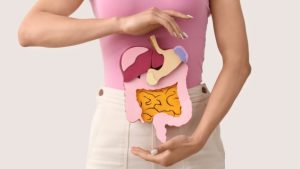
Why Do People Eat Cornstarch? Causes and Risks 2026
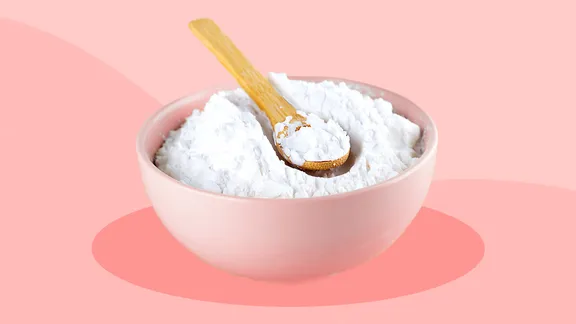
Why do people eat cornstarch straight from the box, when it is usually just a cooking ingredient? For most people, the answer has nothing to do with taste and everything to do with the body or mind sending a signal.
Sometimes that signal is a nutrient deficiency. Sometimes it is stress, pregnancy, or simply a satisfying texture that turned into a habit.
In rarer cases, eating cornstarch points to pica, a recognized eating disorder that needs medical attention.
What Is Cornstarch?
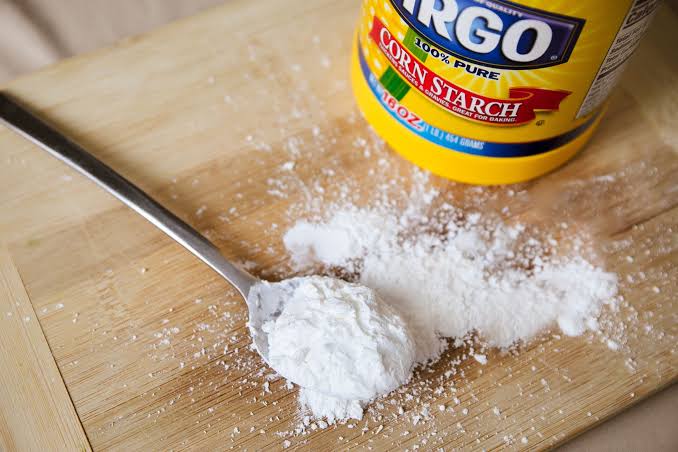
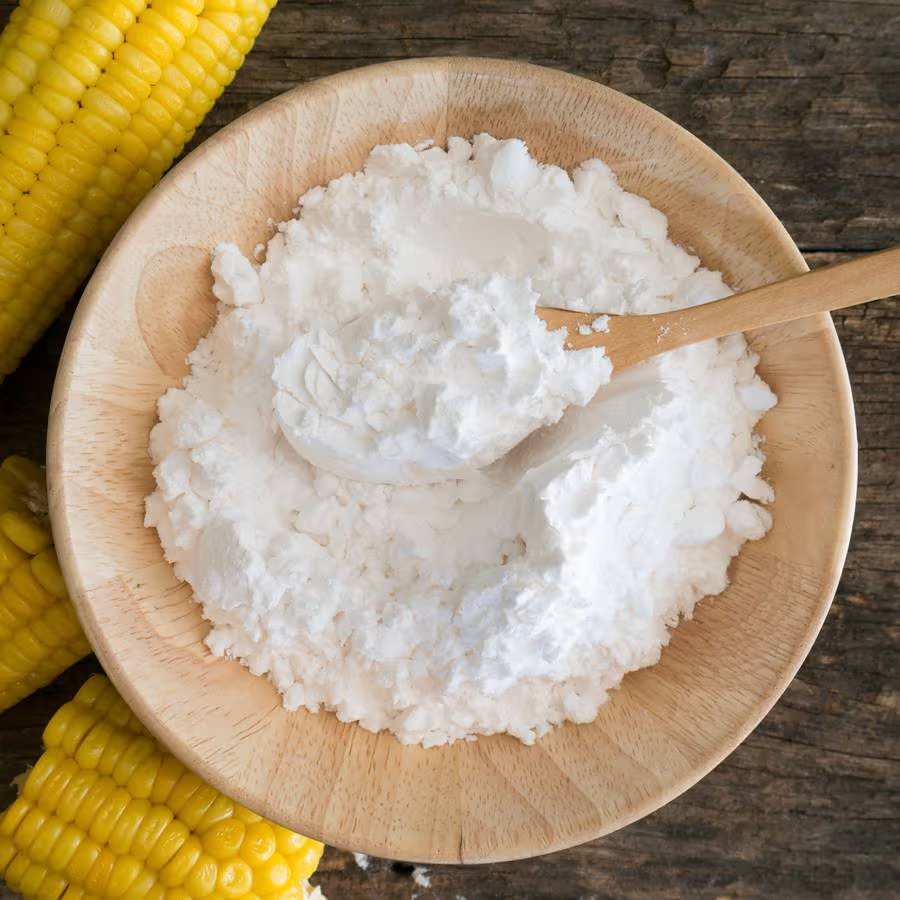
Cornstarch is a fine, white powder extracted from the starchy endosperm of corn kernels.
It is almost pure carbohydrate, with very little fiber, protein, vitamins, or minerals.
In cooking, it is mainly used as a thickening agent for sauces, soups, gravies, and pie fillings.
On its own, raw cornstarch has a dry, chalky texture and a nearly flavorless taste, which makes eating it straight from the box an unusual choice nutritionally speaking.
The manufacturing process involves separating the starch from the protein, fiber, and oil found in corn, leaving behind a highly refined, nutrient-stripped powder.
This refinement is exactly why cornstarch works so well as a thickener in cooking, but also why it offers almost nothing in terms of vitamins or minerals when eaten on its own.
Why Do People Eat Cornstarch? A Quick Overview
People eat cornstarch for a surprisingly wide range of reasons, from medical to psychological to purely habitual.
For some, it is tied to an underlying iron or zinc deficiency that the body is trying to correct.
For others, it is a pregnancy craving, a stress response, or a sensory habit reinforced by ASMR content online.
A smaller group eats raw cornstarch under medical guidance, particularly for certain blood sugar conditions.
Understanding which category applies matters, because the right next step depends entirely on the actual cause.
What Is Pica and Amylophagia?
Pica is a recognized eating disorder involving a persistent urge to eat substances with no real nutritional value.
This can include ice, chalk, dirt, paper, or starch products like cornstarch and laundry starch.
When the craving specifically targets starch, it is called amylophagia, a particular subtype of pica.
| Pica Subtype | Substance Craved |
|---|---|
| Amylophagia | Starch, cornstarch, laundry starch |
| Pagophagia | Ice |
| Geophagia | Dirt or clay |
| Trichophagia | Hair |
Pica is diagnosed using criteria from the DSM-5, based on the pattern, duration, and persistence of the behavior rather than a single incident.
It is seen more often in pregnant women, young children, and people with iron-deficiency anemia.
Common Causes Behind Cornstarch Cravings
Most cornstarch cravings fall into one of these eight common categories.
1. Iron Deficiency Anemia
This is the most well-documented cause behind compulsive raw cornstarch eating.
When the body lacks enough iron, it can trigger unusual cravings for non-food substances, including starch.
Doctors typically order a ferritin and complete blood count (CBC) test to confirm this.
Cravings often fade within one to two weeks of starting iron supplementation, which strongly supports this connection.
2. Zinc or Other Nutrient Deficiencies
Zinc deficiency has also been linked to pica behaviors, though less commonly than iron deficiency.
A lack of certain micronutrients can change taste perception and trigger unusual food cravings.
This is why doctors often check a broader nutrient panel, not just iron levels alone.
Correcting the underlying deficiency typically resolves the craving over time.
3. Pregnancy-Related Cravings
Pregnancy significantly increases the body’s demand for iron and other key nutrients.
This makes pregnant women considerably more likely to experience pica, including cornstarch cravings specifically.
One study of pregnant teenagers found that nearly half reported some form of pica behavior, with starches among the most commonly craved substances.
Doctors recommend reporting these cravings during prenatal visits so iron levels can be checked early.
4. Sensory and Texture Satisfaction
Some people are drawn to cornstarch purely for its dry, powdery, slightly crunchy mouthfeel.
This sensory experience can become a self-soothing habit, even without any nutrient deficiency present.
Repeated exposure to the texture can reinforce the craving the same way any habitual snack might.
If lab tests come back normal, this sensory pull is often the underlying explanation.
5. Stress, Anxiety, or Psychological Factors
Compulsive eating behaviors often increase during periods of high emotional stress.
For some people, the repetitive motion of eating cornstarch becomes a coping mechanism, similar to other repetitive soothing habits.
This pathway is psychological rather than nutritional, which means it usually responds better to behavioral support than supplements.
A therapist can help identify and replace the underlying emotional trigger.
6. Social Media and ASMR Trends
Cornstarch eating has become a notable trend on platforms like TikTok, largely tied to ASMR content.
Many creators emphasize that their videos are for entertainment purposes only and that the cornstarch is not actually swallowed.
Still, repeated exposure to this content can normalize the behavior for viewers and encourage real-life imitation.
This cause is more cultural and behavioral than medical, but it can still lead to a genuine habit forming.
7. Cultural or Habitual Practices
In some communities, eating starches like cornstarch or laundry starch has long-standing cultural roots.
These habits are sometimes passed down within families or social circles without being seen as unusual.
Even when not driven by deficiency, frequent consumption still carries the same nutritional and digestive risks.
Cultural context matters for understanding the behavior, but it does not eliminate the associated health concerns.
8. Medical Use for Blood Sugar Management
In specific clinical cases, raw cornstarch is used intentionally under medical supervision.
This includes certain metabolic conditions like glycogen storage disease, where slow-digesting starch helps maintain stable blood sugar overnight.
This use is carefully dosed and monitored by a physician or dietitian, unlike compulsive raw cornstarch eating.
It is an important distinction, since the same substance can be either medically therapeutic or a sign of an underlying disorder depending on the context.
Health Risks of Eating Cornstarch Regularly
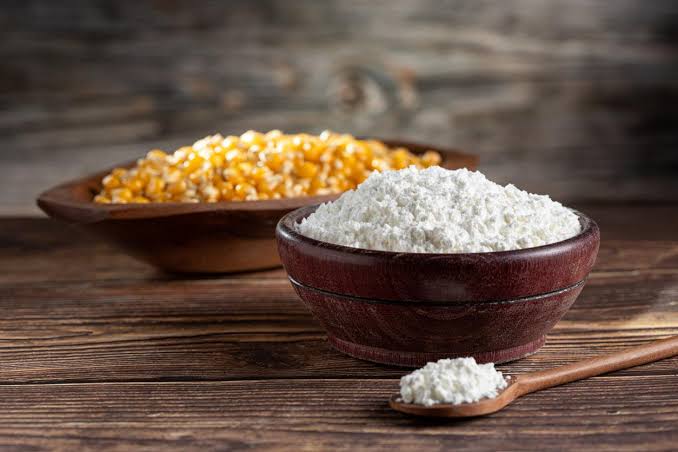
Eating cornstarch occasionally in small amounts is unlikely to cause harm. Regular or large-quantity consumption is a different story.
1. Blood Sugar Spikes
Cornstarch has a very high glycemic index, close to that of pure sugar.
Eating it in large amounts can cause rapid spikes in blood sugar, which is especially risky for people with diabetes or insulin resistance.
Repeated spikes over time are also linked to increased triglycerides and reduced HDL, or “good,” cholesterol.
This makes frequent raw cornstarch consumption a measurable cardiometabolic concern, not just a minor dietary quirk.
2. Digestive Problems
Large quantities of raw starch are difficult for the digestive system to process efficiently.
Common complaints include bloating, constipation, and abdominal discomfort after regular consumption.
In rare and extreme cases, very high intake has been associated with intestinal blockages requiring medical treatment.
These symptoms tend to worsen the longer the habit continues without intervention.
3. Worsening Nutritional Deficiencies
Ironically, eating cornstarch to satisfy a deficiency-driven craving can make that same deficiency worse over time.
This happens because cornstarch replaces nutrient-dense meals without providing any iron, zinc, vitamins, or protein in return.
It can also interfere with the body’s ability to properly absorb iron from other foods.
This creates a frustrating cycle where the craving continues even as the underlying problem deepens.
4. Unintended Weight Changes
Regularly replacing meals with cornstarch can lead to unintended weight loss due to inadequate overall nutrition.
In other cases, the extra empty calories from frequent snacking on cornstarch contribute to gradual weight gain instead.
Either outcome reflects a diet that has become nutritionally unbalanced.
Tracking eating patterns honestly is an important first step toward correcting this.
5. Dental Problems
The dry, abrasive texture of raw cornstarch can affect tooth enamel with frequent exposure.
Combined with its high carbohydrate content, it can also contribute to a more favorable environment for cavity-causing bacteria.
People who eat cornstarch daily sometimes notice increased dental sensitivity over time.
Routine dental checkups become especially important if this habit is ongoing.
6. Masking a More Serious Underlying Condition
Because pica is often dismissed as a strange habit rather than a medical symptom, the real underlying cause can go untreated for a long time.
People frequently feel embarrassed and hide the behavior from family members and even their own doctors.
This delay means conditions like anemia can progress further before finally being diagnosed and treated.
Open, judgment-free communication with a healthcare provider is essential to avoid this delay.
7. Added Risks During Pregnancy
Pica during pregnancy carries extra weight because two people’s nutrition is affected at once.
Filling up on cornstarch instead of nutrient-dense food can worsen maternal iron deficiency at a time when demand is already higher.
Untreated iron-deficiency anemia during pregnancy is linked to risks like preterm delivery and low birth weight.
This is why prenatal cravings for non-food substances should always be reported and checked promptly.
8. Long-Term Metabolic and Heart Health Risks
Diets consistently high in refined carbohydrates, including cornstarch, have been associated with a higher long-term risk of heart disease and type 2 diabetes.
This risk applies most strongly to regular, high-quantity consumption rather than occasional small amounts used in cooking.
Over years, repeated blood sugar spikes place additional strain on the cardiovascular system.
This makes long-term moderation important, even for people without a current diagnosis.
Causes and Risks at a Glance
Here is a quick summary table for easy reference.
| Category | Examples |
|---|---|
| Common Causes | Iron deficiency, zinc deficiency, pregnancy, sensory habit, stress, ASMR trends, cultural practice, medical blood sugar management |
| Common Risks | Blood sugar spikes, digestive issues, worsening deficiencies, weight changes, dental problems, masked diagnosis, pregnancy complications, long-term heart risk |
If a craving feels persistent, intense, or hard to control, it is worth treating it as a signal rather than ignoring it.
How Is Cornstarch Pica Diagnosed and Treated?
Diagnosis typically starts with a detailed conversation about eating habits, since many people feel embarrassed to bring it up first.
A doctor will usually order blood tests, including ferritin, complete blood count, and sometimes a zinc panel, to check for deficiencies.
If pregnancy is involved, prenatal vitamins and dietary adjustments are usually reviewed and adjusted together.
If iron deficiency is confirmed, supplementation often resolves the craving within one to two weeks, sometimes turning into outright aversion to the substance.
When no deficiency is found, treatment shifts toward behavioral strategies, often involving a therapist trained in habit-reversal techniques.
When to See a Doctor
Not every cornstarch craving requires a doctor’s visit, but certain signs should never be ignored.
- The craving feels persistent, frequent, or hard to resist
- You notice fatigue, pale skin, or unusual weakness
- The behavior continues during pregnancy
- You experience digestive symptoms like bloating or constipation
- A child shows repeated non-food eating behavior
If any of these apply, scheduling a simple blood test is a fast, low-risk way to rule out a deficiency.
Healthy Alternatives and Prevention Tips
If the craving turns out to be sensory rather than deficiency-related, there are still healthier ways to manage it.
Crunchy vegetables like carrots or celery can satisfy a similar textural urge without the nutritional downsides.
Iron-rich foods like lean meat, spinach, and legumes help address the root cause directly if a deficiency is confirmed.
Identifying stress triggers and replacing the habit with another grounding activity can help when the cause is psychological rather than nutritional.
Consistent follow-up blood work also helps confirm that the underlying issue has actually been resolved, not just temporarily masked.
Frequently Asked Questions (FAQs)
Is it normal to crave eating raw cornstarch?
Occasional curiosity is common, but frequent, intense cravings usually point to an underlying cause like iron deficiency that deserves checking.
What deficiency causes cornstarch cravings?
Iron deficiency anemia is the most common cause, though zinc deficiency has also been linked to similar starch cravings.
Is eating cornstarch dangerous?
Small amounts are not seriously dangerous, but regular or large-quantity consumption can cause digestive issues and blood sugar problems.
Can eating cornstarch cause weight gain?
Yes, the extra empty calories from frequent cornstarch snacking can contribute to gradual, unintended weight gain over time.
Why do pregnant women crave cornstarch?
Pregnancy increases iron demands significantly, which raises the likelihood of pica behaviors, including cornstarch cravings, in pregnant women.
How long does it take for cornstarch cravings to go away?
Cravings linked to iron deficiency often resolve within one to two weeks after starting appropriate iron supplementation.
Is cornstarch ASMR eating actually being swallowed?
Many ASMR creators clarify their content is for entertainment only and that the cornstarch shown is not actually consumed.
Can children develop pica from eating cornstarch?
Yes, pica is relatively common in young children and should be evaluated by a pediatrician if it persists.
What tests confirm pica related to cornstarch?
Doctors typically order a ferritin test and complete blood count to check for the iron deficiency commonly linked to pica.
Should I stop eating cornstarch immediately?
If you eat it occasionally in small amounts, stopping abruptly is not necessary, but persistent cravings should be discussed with a doctor.
Conclusion
So, why do people eat cornstarch? The honest answer is that it depends entirely on the individual, ranging from iron deficiency and pregnancy to stress, sensory habits, and online trends.
What matters most is recognizing when a craving crosses from harmless curiosity into a pattern worth investigating.
The risks covered here, from blood sugar spikes to worsening nutritional deficiencies, show why this habit deserves attention rather than dismissal.
If you or someone you know experiences persistent cornstarch cravings, a simple conversation with a doctor and a basic blood test can identify the real cause quickly.
In most cases, addressing the underlying issue resolves the craving naturally, often faster than people expect.