Why Do I Hear Static in My Ear? Tinnitus Causes 2026

Why do I hear static in my ear? In most cases, that static, hissing, or buzzing sound is a form of tinnitus, a condition where your brain perceives sound that isn’t actually coming from your environment. It can affect one ear or both, and it can be constant or come and go.
Tinnitus has many possible triggers, from something as simple as earwax buildup to more involved issues like noise damage or blood flow changes.
Quick Facts About Why Do I Hear Static in My Ear?

Here’s a fast snapshot before we dig into individual causes.
| Fact | Detail |
|---|---|
| Medical term | Tinnitus |
| How common it is | Affects roughly 10–25% of adults |
| Most common cause | Noise exposure and earwax buildup |
| Two main types | Subjective tinnitus and pulsatile tinnitus |
| Usually serious? | Rarely, but pulsatile tinnitus always needs evaluation |
| Who treats it | Audiologists and ENT specialists |
This table sets the stage. Now let’s look at exactly what’s happening inside your ear when you hear static.
What Is Tinnitus and Why Does It Sound Like Static?
Tinnitus is the medical term for hearing sound that has no outside source. It’s often described as ringing, buzzing, hissing, or static, depending on the person and the underlying cause.
This static-like noise usually comes from changes inside your ear or auditory nerve pathway. Tiny hair cells in your inner ear translate sound waves into electrical signals your brain can understand.
When these hair cells are damaged or irritated, they can send irregular signals to your brain. Your brain interprets this irregular activity as sound, even though nothing in your environment actually made a noise.
This explains why tinnitus is sometimes called a “phantom sound.” It feels completely real, but the noise originates inside your auditory system rather than the outside world.
Subjective vs Objective Tinnitus
Tinnitus generally falls into two categories, and understanding the difference helps you describe your symptoms accurately. Subjective tinnitus is heard only by you and is by far the most common form.
Objective tinnitus is rare and is caused by an actual physical sound inside your body, such as blood flow or muscle movement. In some cases, a doctor can even hear it using a stethoscope.
Most static-sounding tinnitus falls into the subjective category, but persistent or rhythmic sounds may point toward the objective type, which we’ll cover later in the pulsatile tinnitus section.
Common Causes of Static in Your Ear
There are several common and well-documented reasons people hear static. Below are the most frequent causes identified across hearing health research.
1. Loud Noise Exposure
Exposure to loud noises is one of the leading causes of tinnitus worldwide. This includes concerts, machinery, gunfire, or even loud headphone use over time.
Loud sounds can damage the delicate hair cells inside your inner ear. Once damaged, these cells struggle to send accurate signals, which your brain may interpret as static or ringing.
A single very loud event, like an explosion or concert, can cause temporary or even permanent tinnitus. Repeated exposure over years tends to cause gradual, cumulative damage instead.
2. Earwax Buildup
Excess earwax is a surprisingly common and easily fixable cause of static-like sounds. Earwax that blocks your ear canal can trap sound waves and distort how you perceive noise.
This blockage, sometimes called cerumen impaction, can create an echo or static effect along with a feeling of fullness. Hearing may also feel muffled on the affected side.
The good news is that earwax-related static usually resolves quickly with safe removal, either at home with drops or in a clinical setting.
3. Eustachian Tube Dysfunction
The Eustachian tube helps equalize pressure between your middle ear and the outside environment. When it becomes blocked or doesn’t function properly, pressure can build up unevenly.
This often creates a feeling of fullness paired with a static or crackling noise. Allergies, colds, sinus infections, and altitude changes are common triggers for this dysfunction.
Yawning, swallowing, or using the Valsalva maneuver can sometimes relieve mild Eustachian tube pressure on its own.
4. Middle Ear Infections
Infections in the middle ear, medically known as otitis media, can lead to fluid buildup and inflammation. This combination commonly produces a static or crackling sensation in the affected ear.
This condition is especially common in children but can affect adults as well, particularly after a cold or sinus infection. Pain, mild hearing loss, and pressure often accompany the static sound.
Most middle ear infections improve with time or basic treatment, but persistent infections should be evaluated by a doctor.
5. Age-Related Hearing Loss
As you age, the hair cells inside your inner ear naturally begin to wear down. This gradual hearing loss is one of the most common tinnitus triggers in older adults.
Researchers believe the brain may increase its own internal “background noise” to compensate for the loss of normal sound input. This compensation is part of what creates the static or white-noise sensation many people describe.
This type of tinnitus tends to develop slowly and may be more noticeable in quiet environments, like at night.
6. Medications
Certain medications are known to cause or worsen tinnitus as a side effect. These are sometimes referred to as ototoxic medications because of their impact on the inner ear.
Common examples include certain antibiotics, diuretics, high-dose aspirin, and some chemotherapy drugs. The static sound often fades once the medication is stopped or adjusted, though this should always be done under medical guidance.
If your static sound started shortly after a new prescription, mention it to your doctor at your next visit.
7. Stress and Anxiety
While stress doesn’t directly damage your ears, it can make existing tinnitus feel louder and more noticeable. Heightened stress levels affect how your brain processes and prioritizes sound.
Anxiety can also create a feedback loop, where worrying about the static sound makes you more aware of it, which increases stress further. Breaking this cycle is often part of effective tinnitus management.
Relaxation techniques and good sleep habits can meaningfully reduce how disruptive stress-related tinnitus feels day to day.
8. Head or Neck Trauma
Injuries to the head or neck can damage the inner ear, auditory nerve, or related blood vessels. This type of trauma can trigger sudden-onset tinnitus, sometimes in just one ear.
Whiplash, concussions, and direct blows to the head are common triggers in this category. The static or ringing sound may appear immediately or develop gradually after the injury.
Any new tinnitus following a head injury should be evaluated promptly, especially if paired with dizziness or hearing changes.
9. Underlying Health Conditions
Several health conditions are linked to tinnitus beyond the ear itself. These include thyroid disorders, diabetes, anemia, migraines, and autoimmune conditions like lupus or rheumatoid arthritis.
These conditions can affect blood flow, nerve function, or inflammation levels throughout the body, indirectly impacting your auditory system. Treating the underlying condition often improves tinnitus symptoms as a secondary benefit.
If static sounds appear alongside fatigue, joint pain, or other systemic symptoms, mention this pattern to your doctor.
Causes at a Glance
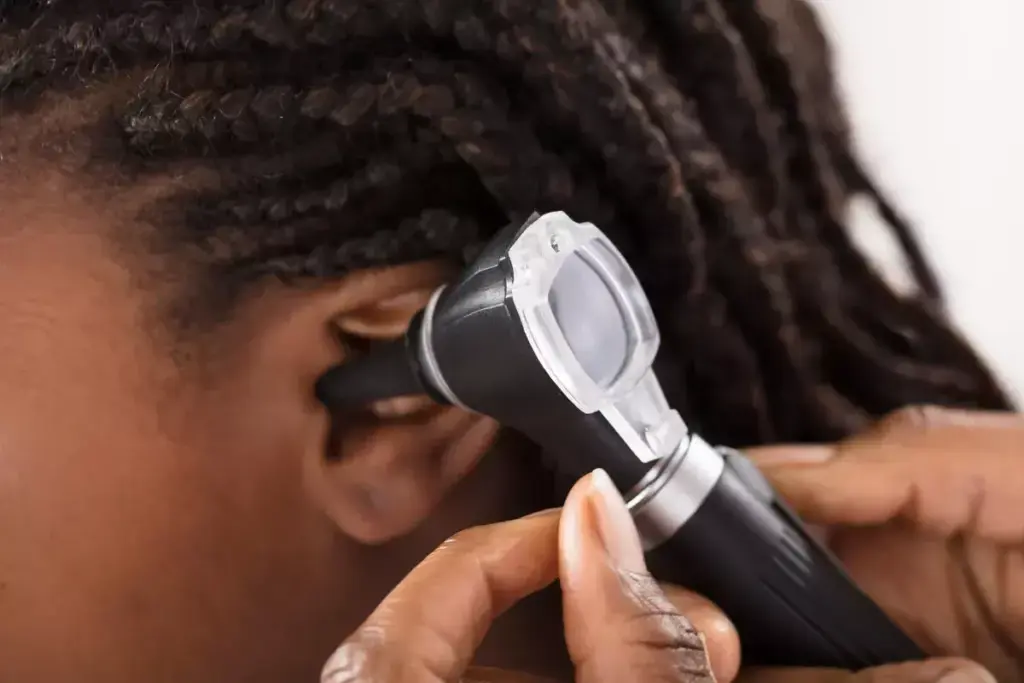
Here’s a simple comparison table summarizing the causes covered above.
| Cause | Typically Serious? | Common Fix |
|---|---|---|
| Loud noise exposure | Sometimes | Hearing protection, sound therapy |
| Earwax buildup | No | Safe earwax removal |
| Eustachian tube dysfunction | No | Decongestants, swallowing exercises |
| Middle ear infection | Sometimes | Time, antibiotics if needed |
| Age-related hearing loss | No | Hearing aids, sound therapy |
| Medications | Sometimes | Talk to your doctor |
| Stress and anxiety | No | Relaxation techniques, counseling |
| Head or neck trauma | Yes | Prompt medical evaluation |
| Underlying health conditions | Sometimes | Treat the root condition |
Pulsatile Tinnitus: A Different Kind of Static
Most static or ringing sounds are constant, but some people notice a rhythmic whooshing or thumping sound instead. This specific pattern is called pulsatile tinnitus, and it behaves differently from regular tinnitus.
Pulsatile tinnitus syncs with your heartbeat and is usually caused by changes in blood flow near your ear. It’s considered a rarer, objective form of tinnitus that a doctor may even be able to hear with a stethoscope.
What Causes Pulsatile Tinnitus
Common causes include high blood pressure, atherosclerosis, or abnormalities in nearby blood vessels. Conditions like venous hum, aneurysms, or arteriovenous malformations can also produce this rhythmic sound.
In rare cases, benign growths called glomus tumors near the middle ear can cause pulsatile sounds as well. The intensity often changes when you lie down, turn your head, or exercise.
Why It Needs Prompt Evaluation
Unlike regular tinnitus, pulsatile tinnitus is more likely to have an identifiable underlying cause. A doctor can typically pinpoint a source in about 70% of cases through imaging and physical examination.
Because some causes involve blood vessel abnormalities, prompt evaluation matters. Early detection allows for easier and more effective treatment of the root issue.
Myths vs Facts About Static in Your Ear
There’s a lot of confusion around tinnitus and static sounds. Here’s a quick table to clear up common misconceptions.
| Myth | Fact |
|---|---|
| Static in your ear always means hearing loss | It can have many causes, including earwax or pressure changes |
| Tinnitus is always permanent | Many cases are temporary and resolve once the cause is treated |
| Only loud noise causes tinnitus | Medications, stress, and infections are common triggers too |
| Nothing can be done about it | Many effective management options exist |
| Pulsatile tinnitus is just like regular tinnitus | It’s a distinct type often linked to blood flow and needs evaluation |
How Tinnitus Affects Daily Life
For many people, occasional static is a minor annoyance that fades into the background. For others, it can interfere with concentration, sleep, and overall mood.
Research suggests that around 1 in 5 people with tinnitus find that it noticeably affects their daily life. This impact often depends less on how loud the sound is and more on how much attention it receives.
Quiet environments, like bedtime, tend to make static more noticeable simply because there’s less competing sound. This is why many people first notice tinnitus while trying to fall asleep.
The good news is that tinnitus rarely worsens indefinitely, and many people find their brain naturally adjusts over time. Combining this natural adaptation with sound therapy or stress management often brings meaningful relief.
How Tinnitus Is Diagnosed
Getting an accurate diagnosis starts with a conversation about your symptoms and medical history. Your doctor will ask when the static started, whether it’s constant or rhythmic, and if it affects one ear or both.
A standard hearing test, called an audiogram, measures your ability to hear different pitches and volumes. This helps determine whether hearing loss is contributing to your symptoms.
For suspected pulsatile tinnitus, doctors often listen with a stethoscope over the ears, neck, and skull to check for unusual sounds called bruits. They may also press gently on the jugular vein to see if the sound changes.
If a vascular cause is suspected, imaging tests like an MRI, MRA, or CT scan can reveal blood vessel abnormalities. These tests help confirm or rule out more serious underlying conditions.
Most routine cases of static or tinnitus don’t require extensive imaging. Your doctor will recommend further testing only if your symptoms or exam findings suggest it’s necessary.
How to Manage Static in Your Ear

Once you understand the likely cause, there are several practical steps that can help reduce static or ringing sounds.
Get a Professional Hearing Evaluation
An audiologist or ENT can identify the underlying cause through a hearing test and physical exam. This is the most reliable first step before trying any home remedies.
Protect Your Ears From Loud Noise
Using earplugs at concerts or loud workplaces helps prevent further hair cell damage. Keeping headphone volume moderate also reduces your risk of worsening tinnitus over time.
Address Earwax Safely
If buildup is suspected, use gentle, doctor-approved methods to clear excess earwax. Avoid cotton swabs, which often push wax deeper into the canal instead of removing it.
Try Sound Therapy
White noise machines, fans, or specialized tinnitus maskers can help your brain focus less on the static sound. This is especially useful for reducing nighttime awareness of tinnitus.
Manage Stress Levels
Since stress can amplify how loud tinnitus feels, relaxation techniques like deep breathing or meditation can help. Good sleep hygiene also plays a meaningful role in symptom severity.
Review Your Medications
If a medication seems linked to your symptoms, talk to your prescribing doctor about alternatives. Never stop a prescribed medication without medical guidance, even if you suspect it’s contributing to tinnitus.
Consider Hearing Aids
For tinnitus linked to hearing loss, hearing aids can reduce static by amplifying outside sound. Many modern devices also include built-in sound therapy features designed specifically for tinnitus relief.
Products and Remedies That Can Help
Beyond medical treatment, several products are commonly used to manage tinnitus-related static. Here’s a quick breakdown of what each one does.
| Product | What It Helps With |
|---|---|
| White noise machine | Masks static sound, especially at night |
| Earplugs | Prevents further noise-induced damage |
| Hearing aids | Amplifies sound and reduces tinnitus perception |
| Saline nasal spray | Helps with Eustachian tube-related pressure |
| Tinnitus masking apps | Provides customizable background sound |
| Earwax removal drops | Safely softens and clears blockages |
These tools work best when paired with a proper diagnosis rather than used as a blind guess. A hearing specialist can help match the right option to your specific cause.
When to See a Doctor About Static in Your Ear
Occasional, mild static is usually not an emergency, but certain signs deserve prompt medical attention. Watch for static that’s sudden, severe, or paired with other symptoms.
These warning signs include sudden hearing loss, dizziness, ear pain, or static that only happens in one ear without explanation. New tinnitus lasting more than 24 hours, especially for the first time, also warrants an ENT visit within a few days.
Pulsatile tinnitus, the rhythmic whooshing sound that matches your heartbeat, should always be evaluated due to its link to blood vessel issues. Seek emergency care if it appears suddenly alongside severe headache, vision changes, or weakness on one side of your body.
Key Takeaways
Before wrapping up, here’s a short recap of the most important points covered in this guide.
- Static in your ear is most often a form of tinnitus caused by inner ear changes.
- Common, less serious causes include earwax buildup, Eustachian tube issues, and stress.
- Loud noise exposure and age-related hearing loss are leading long-term contributors.
- Pulsatile tinnitus is a distinct, rhythmic type tied to blood flow that always needs evaluation.
- Sound therapy, hearing aids, and stress management can meaningfully reduce symptoms.
- Sudden, one-sided, or rhythmic static deserves a prompt visit to an ENT specialist.
Keeping these points in mind makes it easier to judge whether your static sound is a minor, temporary issue or something worth discussing with a professional.
Frequently Asked Questions (FAQs)
1. Is hearing static in my ear normal?
Occasional, mild static can be normal and often resolves on its own. Persistent or worsening static is worth getting checked by a professional.
2. Why do I hear static in only one ear?
This can happen due to earwax buildup, infection, or localized nerve irritation on that side. Sudden one-sided static should be evaluated promptly by a doctor.
3. Can stress cause static in my ear?
Yes, stress doesn’t cause tinnitus directly but can make it feel louder and more noticeable. Managing stress often reduces how disruptive the sound feels.
4. Does static in my ear mean I’m losing my hearing?
Not always, since causes like earwax or pressure changes aren’t related to hearing loss. A hearing test can clarify whether hearing loss is involved.
5. What does pulsatile tinnitus sound like?
It sounds like a rhythmic whooshing, thumping, or throbbing noise that matches your heartbeat. This differs from the steady ringing or static of regular tinnitus.
6. Can earwax really cause a static sound?
Yes, a buildup of earwax can block the ear canal and distort sound waves. Removing the blockage often resolves the static immediately.
7. Are certain medications linked to ear static?
Yes, some antibiotics, diuretics, and chemotherapy drugs are known to cause or worsen tinnitus. This effect often improves once the medication is adjusted.
8. Can allergies cause static or crackling in my ear?
Yes, allergies can trigger Eustachian tube dysfunction, leading to pressure and static sounds. Treating the allergy often relieves the symptom as well.
9. Is pulsatile tinnitus dangerous?
It can be linked to blood vessel issues, so it should always be evaluated by a doctor. Many causes are treatable once properly identified.
10. When should I see a doctor about static in my ear?
See a doctor if the static is sudden, one-sided, rhythmic, or paired with dizziness or pain. New tinnitus lasting more than a day also deserves an evaluation.
Conclusion
Hearing static in your ear can be unsettling, but in most cases it traces back to manageable causes like earwax buildup, loud noise exposure, or Eustachian tube pressure. These triggers are common, well understood, and often improve with simple treatment or time.
In other cases, static is your body’s way of flagging something that needs closer attention, whether that’s age-related hearing changes, a medication side effect, or in rarer cases, a blood flow issue behind pulsatile tinnitus. Paying attention to whether the sound is constant or rhythmic, which ear it affects, and what other symptoms appear alongside it can help guide the right next step.
If your static sound is new, persistent, one-sided, or beats in time with your heart, don’t wait to see an audiologist or ENT specialist. A proper evaluation can identify the cause and put you on the path toward quieter, more comfortable hearing.