Kratom Extract vs. Standard Kratom Powder: What the Difference Actually Means for the Consumer
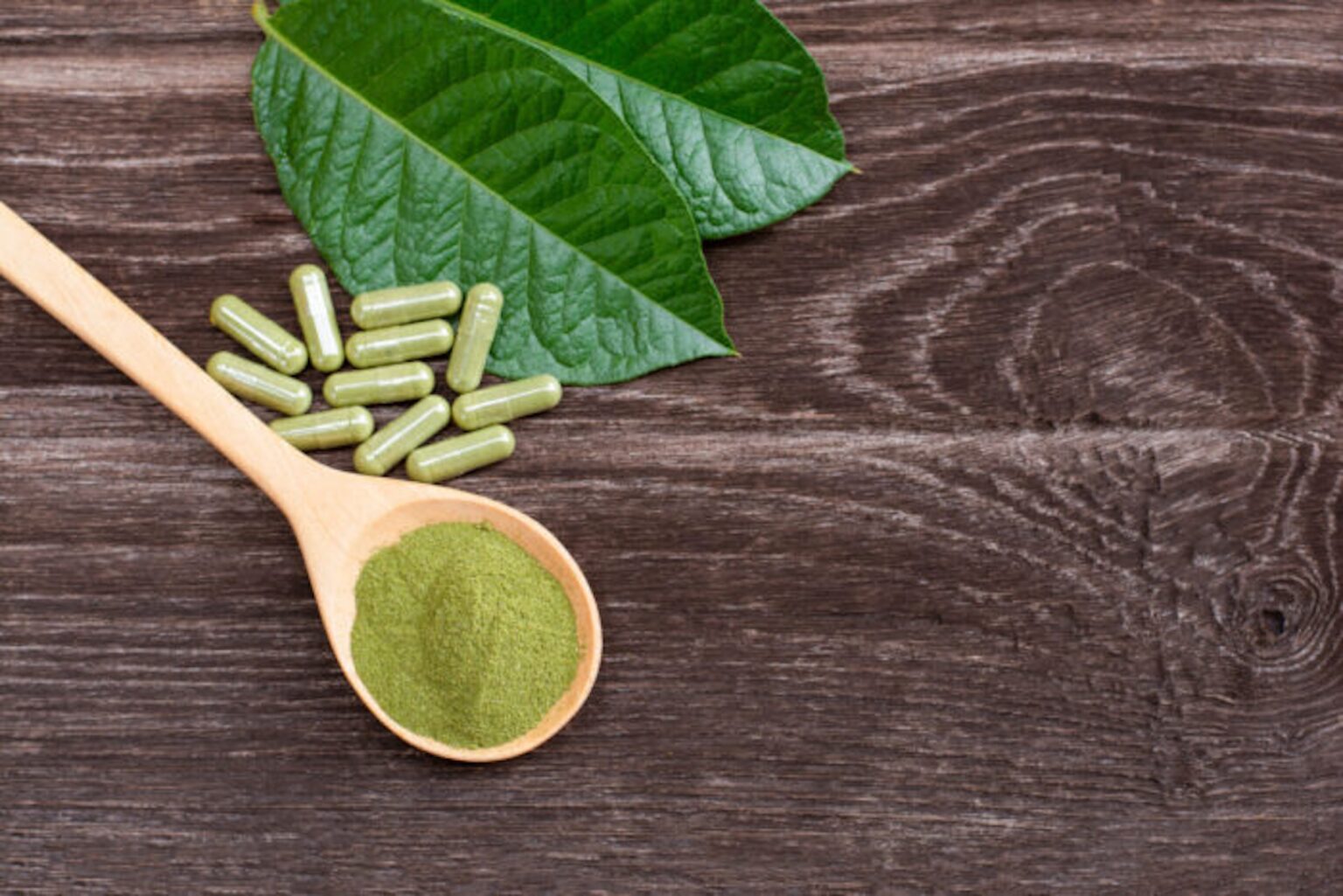
Kratom has been available in the Western supplement market long enough that most buyers have encountered the basics: leaf powder, capsules, and various strain names organized by vein color. What gets less attention, and often causes more confusion, is the extract category. Kratom extract products sit in a different tier from standard powder, and understanding that distinction is useful before making a purchasing decision.
This content is for adults 21 and older. Kratom products are not legal in all US states. Check your local regulations before purchasing.
Where Extracts Come From
All kratom products originate from Mitragyna speciosa, a tropical tree in the coffee family native to Southeast Asia. The leaves contain a range of alkaloids, the most abundant of which is mitragynine. Standard kratom powder is produced by drying and grinding the leaves with no further concentration. Extract is different in that it involves a processing step designed to increase the concentration of alkaloids relative to the weight of the product.
The extraction process typically involves steeping the leaf material in a solvent, concentrating the resulting liquid, and then drying it into a powder or maintaining it in liquid form. The outcome is a product that contains significantly more mitragynine per gram than you would find in leaf powder alone.
Reading Extract Labels
One of the more confusing aspects of the extract category is labeling. Many products use a multiplier format such as 10X, 45X, or 100X. In theory, these numbers suggest the extract was derived from a corresponding multiple of leaf material. In practice, these labels are not standardized across the industry, and two products from different brands with the same multiplier can have meaningfully different potency levels.
A more reliable indicator is the declared MIT percentage, which specifies the actual mitragynine content by weight. A product labeled with a specific percentage, for example 30% or 45% MIT, gives you more precise information about what you are buying. When browsing kratom extract options, looking for lab-tested products with declared MIT percentages is generally more informative than comparing multiplier labels alone.
Full Spectrum Extracts
The Mitragyna speciosa leaf contains alkaloids beyond mitragynine alone. Full spectrum extracts are produced with the intention of preserving the broader alkaloid profile of the plant rather than concentrating a single compound. Some consumers prefer full spectrum products for this reason, believing the combination of alkaloids produces a different experience than a high-mitragynine isolate.
Products like the Green Thai 60X and White Diamond 100X from established vendors are formulated to retain this broader alkaloid character while still offering a significantly higher concentration than plain leaf. Whether full spectrum or isolate formats better suit a particular consumer is a matter of individual preference and experience with the product category.
Lab Testing and What to Look For
Because kratom is not regulated as a pharmaceutical product, quality control falls heavily on the vendor. Reputable suppliers submit products to third-party labs for testing that checks mitragynine content, identifies potential contaminants, and verifies microbiological safety. Certificates of analysis from independent labs should be available from any vendor worth purchasing from.
Without this documentation, there is no reliable way to know whether the potency claims on a label are accurate, or whether the product is free from heavy metals, pesticides, or bacterial contamination. Third-party testing is the primary quality signal available to buyers in this market, and ignoring it introduces real uncertainty about what you are consuming.
Storage and Shelf Life
Extract products, like standard kratom powder, are best stored in a cool, dark location away from direct sunlight and moisture. Exposure to heat and humidity accelerates alkaloid degradation. Airtight containers extend shelf life considerably. Most extract products, when stored properly, remain stable for twelve months or more.
Liquid kratom extracts require more attention because they can be affected by temperature fluctuation more readily than dry powder formats. If you are purchasing drops or tinctures, keep them refrigerated after opening and pay attention to any use-by guidance provided by the manufacturer.
Frequently Asked Questions
What is the difference between kratom powder and kratom extract? Kratom powder is made from dried and ground Mitragyna speciosa leaves with no further processing. Kratom extract has undergone additional concentration steps, resulting in a product with a higher alkaloid content per gram than plain leaf powder.
What does the MIT percentage on a kratom extract mean? MIT percentage refers to the mitragynine content by weight in the product. It is a more precise indicator of potency than multiplier labels like 10X or 100X, which are not standardized across the industry.
Is kratom extract legal? Kratom’s legal status varies by location. In the US, it is banned or regulated at the state level in Alabama, Arkansas, Indiana, Rhode Island, Vermont, and Wisconsin. Always verify the laws in your state and locality before purchasing.
Who should avoid kratom extract? Kratom products are intended for adults 21 and older. They are not appropriate for individuals who are pregnant or nursing, those taking prescription medications that may interact with kratom alkaloids, or anyone with a health condition that may be affected. Consult a healthcare provider if you have any concerns.
How do I know if a kratom extract product has been lab tested? Look for a certificate of analysis from a third-party laboratory, which should be available on the vendor’s website or upon request. This document confirms mitragynine content and screens for contaminants including heavy metals and microbiological hazards.