Solar Panels: Powering the World with Clean Energy
Introduction
As the world faces growing concerns about climate change, rising energy costs, and environmental sustainability, solar panels have become one of the most promising solutions for clean and renewable energy. Solar energy harnesses the power of the sun—an abundant and natural resource—to generate electricity without producing harmful emissions. Over the past decade, advances in solar panel technology have made this energy source more efficient, affordable, and accessible to homes, businesses, and governments worldwide.
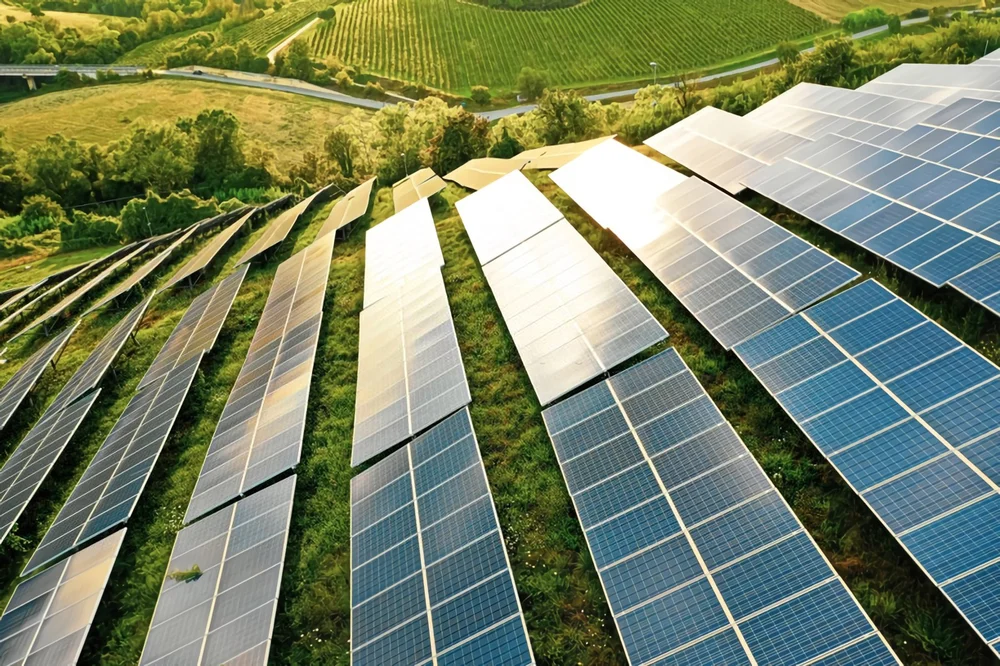
Solar panels are now a key part of the global transition toward renewable energy. From residential rooftops to massive solar farms, these systems are transforming the way electricity is produced and consumed. This article explores what solar panels are, how they work, their types, advantages, challenges, and their growing role in shaping a sustainable future.
What Are Solar Panels?
Solar panels, also known as photovoltaic (PV) panels, are devices designed to convert sunlight into electricity. They are made up of many solar cells that work together to capture sunlight and transform it into usable electrical energy.
The word “photovoltaic” comes from two words:
- Photo meaning light
- Voltaic meaning electricity
When sunlight hits the solar cells inside a panel, it triggers a reaction that produces electrical power. This electricity can then be used immediately, stored in batteries, or sent into the electrical grid.
Solar panels are commonly installed on rooftops, open land areas, and sometimes integrated into building materials such as solar windows or solar roof tiles.
How Solar Panels Work
The technology behind solar panels is based on the photovoltaic effect, a scientific principle discovered in the 19th century. The process works through several steps.
- Sunlight Hits the Solar Cells
Solar panels contain photovoltaic cells made primarily from silicon, a semiconductor material. When sunlight strikes these cells, photons (light particles) transfer their energy to the electrons within the silicon atoms.
- Electrons Begin to Move
The energy from sunlight causes electrons to break free from their atoms and start moving. This movement creates an electric current.
- Electricity Is Generated
Metal plates and wiring inside the solar cell capture the moving electrons, producing direct current (DC) electricity.
- Inverter Converts Power
Most homes and appliances run on alternating current (AC) electricity. Therefore, an inverter converts the DC electricity produced by solar panels into AC electricity.
- Power Is Used or Stored
The generated electricity can then:
- Power a home or building
- Charge solar batteries for later use
- Be sent back to the electricity grid through net metering systems
Types of Solar Panels
Solar panels come in several different types, each with unique characteristics, efficiency levels, and costs.
- Monocrystalline Solar Panels
Monocrystalline panels are made from a single continuous crystal structure of silicon.
Features:
- High efficiency
- Long lifespan (25+ years)
- Sleek black appearance
- Higher cost compared to other types
These panels are considered the most efficient and are widely used in residential installations where space is limited.
- Polycrystalline Solar Panels
Polycrystalline panels are made by melting multiple silicon crystals together.
Features:
- Lower cost
- Slightly lower efficiency
- Blue-colored appearance
- Good durability
They are commonly used in large solar farms where space is not a major concern.
- Thin-Film Solar Panels
Thin-film panels are created by placing thin layers of photovoltaic material onto a surface such as glass, metal, or plastic.
Features:
- Lightweight and flexible
- Lower manufacturing cost
- Lower efficiency than crystalline panels
- Suitable for large-scale commercial applications
Thin-film technology is often used in specialized projects such as solar-powered buildings or portable solar devices.
Advantages of Solar Panels
Solar panels offer numerous benefits that make them an attractive energy solution for both individuals and governments.
- Renewable Energy Source
Solar energy is completely renewable. As long as the sun exists, solar panels can generate electricity without running out of fuel.
- Environmentally Friendly
Solar panels produce electricity without emitting greenhouse gases, helping reduce air pollution and combat climate change.
- Lower Electricity Bills
Installing solar panels allows homeowners and businesses to generate their own electricity, reducing dependence on utility companies and lowering monthly energy bills.
- Energy Independence
Solar energy reduces reliance on fossil fuels and imported energy resources, strengthening energy security.
- Low Maintenance
Solar panels require minimal maintenance. Occasional cleaning and routine inspections are usually enough to keep them operating efficiently.
- Long Lifespan
Most solar panels come with warranties of 20–25 years and can continue producing electricity for even longer.
Challenges and Limitations
Despite their many advantages, solar panels also have some challenges that must be considered.
- High Initial Cost
Although prices have dropped significantly, the upfront cost of purchasing and installing solar panels can still be expensive for some households.
- Weather Dependence
Solar panels rely on sunlight to generate electricity. Cloudy weather, nighttime, and seasonal changes can affect energy production.
- Space Requirements
Large solar systems require sufficient roof space or land area to generate significant amounts of electricity.
- Energy Storage Costs
Solar energy storage systems, such as batteries, can add additional costs to solar installations.
- Manufacturing Impact
The production of solar panels involves energy use and materials such as silicon, which can have environmental impacts if not managed properly.
Solar Panels Around the World
Solar power has grown rapidly across the globe. Many countries are investing heavily in solar energy as part of their climate and energy strategies.
Leading Countries in Solar Energy
- China – The world’s largest producer of solar energy
- United States – Rapidly expanding solar installations
- India – Investing in large solar parks
- Germany – A pioneer in solar energy adoption
- Australia – High residential solar panel adoption
These countries are demonstrating how solar power can become a major part of national energy systems.
Recent Innovations in Solar Technology
Recent technological developments have made solar panels more efficient and versatile.
- Perovskite Solar Cells
Perovskite solar cells are an emerging technology that could significantly improve efficiency while lowering manufacturing costs.
- Bifacial Solar Panels
These panels capture sunlight from both sides, allowing them to generate more electricity than traditional panels.
- Solar Roof Tiles
Instead of installing large panels, solar technology can now be integrated directly into roof tiles, creating a more attractive appearance.
- Floating Solar Farms
Solar panels are now being installed on water surfaces such as lakes and reservoirs, saving land space and improving efficiency due to cooling effects.
Solar Energy and the Future
The future of solar energy looks extremely promising. As technology improves and costs continue to decline, solar panels are expected to become one of the world’s dominant energy sources.
Key trends shaping the future include:
- Improved solar cell efficiency
- Integration with smart grids
- Expansion of solar battery storage
- Development of solar-powered transportation
- Increased government incentives for renewable energy
Experts predict that solar energy could provide a large portion of global electricity by 2050.
Solar Panels for Homes
Homeowners are increasingly adopting rooftop solar systems for several reasons:
- Reduced electricity bills
- Increased property value
- Environmental responsibility
- Government incentives and tax benefits
A typical residential solar system includes:
- Solar panels
- Inverter
- Mounting structure
- Wiring system
- Optional battery storage
Many households now combine solar panels with smart home systems to manage energy consumption more efficiently.
Conclusion
Solar panels have become one of the most important technologies in the global transition to clean and sustainable energy. By converting sunlight into electricity, they provide a renewable and environmentally friendly alternative to fossil fuels. With continuous advancements in efficiency, affordability, and design, solar panels are becoming more accessible to households, businesses, and governments around the world.
Although challenges such as initial costs and energy storage remain, ongoing innovations are steadily overcoming these obstacles. As the demand for clean energy grows and environmental concerns intensify, solar panels will play an increasingly vital role in shaping a sustainable future for generations to come.