
What Is the Difference Between MCB and RCBO? A Clear Comparison
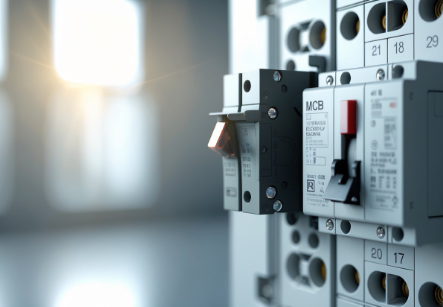
When it comes to electrical safety, understanding the devices that protect homes and businesses is essential. The main difference between an MCB (Miniature Circuit Breaker) and an RCBO (Residual Current Circuit Breaker with Overload Protection) lies in their functions: MCBs protect against overcurrent and short circuits, while RCBOs provide added protection against earth leakage and electric shocks. This distinction is crucial for ensuring that electrical systems are safeguarded appropriately.
Both MCBs and RCBOs serve vital roles in circuit protection, but knowing when to use each can make a significant difference in safety. MCBs are typically used in lighter applications, while RCBOs are preferred in areas where the risk of electric shock is higher, such as near water sources. This article will explore the specific features and applications of each device, helping readers make informed decisions about their electrical safety needs.
Fundamental Functions of MCB and RCBO
MCB and RCBO are essential devices in electrical systems, serving vital protective roles. Understanding their distinct functions helps ensure safety in both residential and commercial settings.
What Is an MCB?
An MCB, or Miniature Circuit Breaker, is a device designed to protect electrical circuits from overloads and short circuits. When the current exceeds a preset limit, the MCB interrupts the circuit automatically. This quick response minimizes the risk of equipment damage or electrical fires.
MCBs are selected based on load capacity, maximum short-circuit interrupting current, and trip characteristics. Common applications include lighting circuits and general power distribution in homes and offices. MCBs do not protect against earth leakage, which makes them less versatile than some other circuit protection devices.
What Is an RCBO?
An RCBO, or Residual Current Circuit Breaker with Overcurrent Protection, combines features of both the MCB and the RCD (Residual Current Device). It provides protection against overloads, short circuits, and earth leakage currents. This makes it an effective safety device for more comprehensive electrical protection.
The RCBO monitors both the live and neutral conductors. If it detects imbalances in current flow, indicating a possible earth fault, it trips the circuit. This function is crucial for preventing electric shocks, making RCBOs ideal for areas where water is present or where faulty appliances might pose a hazard.
Both devices play different but important roles in circuit protection. MCBs focus primarily on detecting overcurrent issues, while RCBOs also safeguard against earth leakage, crucial for user safety.
In summary, MCBs are suitable for standard applications, whereas RCBOs are better for environments needing enhanced protection, especially in areas with a higher risk of electrical shock. This understanding is key for selecting the right circuit protection device based on specific electrical needs.
Key Differences Between MCB and RCBO
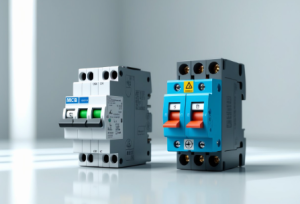
MCBs and RCBOs serve important roles in protecting electrical systems. Understanding their differences is crucial for selecting the right device for specific applications. The sections below outline their protection mechanisms, the types of faults they address, and how they respond to overcurrents and leakage.
Protection Mechanisms
The MCB, or Miniature Circuit Breaker, primarily offers overcurrent and short circuit protection. It uses a thermal and magnetic tripping mechanism to interrupt the circuit when excessive current flows. This functionality is vital for safeguarding wiring and preventing damage to electrical devices from overloads.
On the other hand, the RCBO, or Residual Current Circuit Breaker with Overload Protection, combines the features of an MCB and an RCCB (Residual Current Circuit Breaker). It not only protects against overcurrent but also monitors and reacts to leakage currents and earth faults. If it detects an imbalance in current flow, it will trip, helping to prevent electric shock and faults.
Types of Electrical Faults Handled
MCBs handle two main types of electrical faults: overloads and short circuits. Overloads occur when devices draw more power than they can handle, while short circuits happen when current flows along an unintended path. MCBs cut off the electrical supply when these conditions arise to prevent damage or fire.
RCBOs expand on this by dealing with three types of electrical faults. In addition to overcurrent and short circuit protection, they detect leakage currents, which can occur if insulation fails or moisture interferes with wiring. By providing earth fault protection, RCBOs help prevent electric shocks, making them suitable for applications involving water heaters and power sockets.
Response to Overcurrent and Leakage
An MCB is designed to respond swiftly to overcurrent situations. When it detects an excess in current flow, it will trip the circuit via its internal mechanism, ensuring a quick cut-off to protect against damage. This fast response is essential for devices like lighting circuits and air conditioners.
In contrast, an RCBO has a dual response mechanism. It not only reacts to overcurrent but also monitors for leakage currents. When it senses earth leakage, it trips the circuit to guard against electric shocks. The combined approach provides users with enhanced fault protection, ensuring safety in environments where leakage could be hazardous.
Overall, these differences highlight why selecting the appropriate device is vital for effective electrical protection.
Construction and Working Principles
MCBs and RCBOs are designed with specific components that enable their unique functions. Understanding their construction and operations is essential for effective application in electrical systems.
MCB Construction and Operation
An MCB, or Miniature Circuit Breaker, consists of a few critical components. It has a switch mechanism that opens the circuit when overcurrent or short circuit conditions occur. Inside the MCB, there is usually a bimetallic strip and a magnetic trip mechanism. The bimetallic strip bends when heated by excessive current, triggering the switch to open the circuit. The magnetic trip responds instantaneously to short circuits, providing fast protection.
The trip curve defines how quickly the MCB will react under various overload conditions. It is categorized as B, C, or D, depending on the load characteristics. MCBs have a specified breaking capacity, which indicates the maximum current they can interrupt without being damaged. They are rated for different currents, usually ranging from 6A to 125A, depending on the application.
RCBO Construction and Operation
An RCBO, or Residual Current Circuit Breaker with Overcurrent, combines functions of both MCBs and RCCBs (Residual Current Circuit Breakers). It consists of similar components to an MCB but adds a residual current sensing element. This element detects imbalances between the live and neutral currents, indicating potential earth leakage.
In operational terms, when an RCBO detects an imbalance that exceeds its set rating, it trips, thus preventing electric shock risks. The tripping characteristics of an RCBO are influenced by both its overcurrent and residual current settings. They also have adjustable settings for both rated current and maximum residual current levels. This allows for versatile applications, especially in environments where electric shock hazards are present, such as in wet areas or locations with direct water contact.
Applications and Use Cases
The applications of MCBs and RCBOs vary based on their protective features and the environments in which they are used. Each device plays a crucial role in safeguarding electrical systems in different settings, from homes to industrial sites.
Residential Distribution
In residential distribution, MCBs are commonly found in consumer units. They help protect lighting circuits, air conditioners, and other home appliances by preventing overcurrent and short circuits. These devices are typically rated according to the electrical load, ensuring safe operation within the home’s power supply.
RCBOs, on the other hand, offer added protection against earth leakage, making them ideal for outlets where appliances may be exposed to water, such as in kitchens and bathrooms. This dual protection helps prevent electric shocks, enhancing safety for homeowners. They can be installed in distribution boards and are essential in areas with higher risks.
Commercial and Industrial Applications
In commercial and industrial applications, the selection of MCBs and RCBOs is vital for equipment protection and operational efficiency. MCBs are used in distribution boards to safeguard final circuits supplying equipment like lighting and machinery. By monitoring current flow, they can trip during overloads, preventing damage.
RCBOs are crucial in environments with a variety of electrical loads. They provide protection against both short circuits and earth leakage, which is particularly important for industrial equipment and machinery that may operate under varying conditions. The need for panel space in these settings influences the choice of these devices, as a well-designed distribution board can improve electrical safety and reliability.
Individual Circuit Protection
Individual circuit protection is essential for maintaining safety and functionality in both residential and commercial settings. MCBs protect specific circuits, monitoring current flow and tripping when overcurrent occurs. This functionality is particularly important to prevent potential hazards from high electrical loads on a single circuit.
RCBOs ensure comprehensive safety by offering protection against earth faults as well as overcurrent conditions. They are critical for circuits that power sensitive equipment or appliances that could pose risks of electric shock. Therefore, choosing the right circuit breaker for individual applications not only safeguards equipment but also ensures the safety of users.
Advantages and Limitations
When comparing MCBs and RCBOs, it is important to note the distinct benefits and any potential limitations of each device. This section highlights the strengths and weaknesses of both circuit breakers, providing insight into their specific uses and features.
Benefits of MCB
MCBs, or Miniature Circuit Breakers, are primarily designed to protect against overloads and short circuits. One of their key advantages is simplicity; they are straightforward to install and operate.
- Adjustable Trip Settings: Many MCBs come with adjustable trip settings. This allows users to tailor the device to the specific electrical needs of their circuits.
- Cost-Effective: MCBs are generally less expensive compared to RCBOs. They serve well in applications where earth leakage protection is not a concern.
- Compact Size: Being smaller, MCBs save space in electrical panels, making them ideal for residential systems.
- Reliability: MCBs are known for their reliability and effectiveness in interrupting circuits during short circuits or overloads, ensuring normal operation for most household appliances.
Benefits of RCBO
RCBOs, or Residual Current Circuit Breakers with Overcurrent, provide a higher level of protection. They combine essential features of MCBs and RCCBs, offering several significant benefits.
- Combined Protection: RCBOs protect not just against overcurrent but also against earth leakage. This dual protection is critical for preventing electrical shocks.
- Adjustable Protection Settings: Users can adjust the RCBO’s protection settings. This flexibility ensures that the device can respond appropriately based on specific circuit requirements.
- Personal Protection: Their functionality helps safeguard individuals from electric shocks in areas with exposed wiring or wet conditions, such as bathrooms or kitchens.
- Remote Monitoring: Some modern RCBOs are equipped with remote monitoring capabilities. This feature allows users to check electrical settings and conditions from a distance, enhancing safety and convenience.
Potential Limitations
While both devices offer distinct advantages, there are limitations to consider for each.
- Cost: RCBOs tend to be more expensive than MCBs due to their advanced features. This can be a deciding factor for budget-conscious consumers.
- Complexity: The added complexity of RCBOs means they may require more careful installation and maintenance, which could necessitate professional assistance.
- Space Requirements: In some cases, the size of RCBOs can make them less space-efficient compared to MCBs. This could be an issue in crowded electrical panels.
- Sensitivity Issues: RCBOs might trip under minor leakage conditions that MCBs would not, which can lead to unnecessary interruptions in power supply.
Each device has its strong points and drawbacks, making understanding their specific roles important for effective electrical safety measures.
Related Circuit Protection Devices
In the realm of circuit protection, various devices are designed to address specific safety needs in electrical systems. Understanding the differences among key devices provides valuable insight for proper selection and application.
Difference Between MCB and MCCB
The primary distinction between MCB (Miniature Circuit Breaker) and MCCB (Molded Case Circuit Breaker) lies in their capacity and application. MCBs are used for protecting lower current circuits, typically up to 125A, making them suitable for residential and light commercial settings. They offer protection against overload and short circuits.
MCCBs, on the other hand, are designed for higher-capacity applications, handling currents beyond 125A. They provide similar overload and short-circuit protection but are also adjustable. In critical systems, MCCBs are preferable due to their ability to manage larger fault levels and provide flexibility in trip settings. This makes them essential in commercial and industrial installations.
RCCB vs. RCBO and Related Devices
RCCBs (Residual Current Circuit Breakers) detect earth leakage currents, providing critical safety against electric shocks. They focus solely on residual current protection and do not guard against overloads or short circuits, which means they must be paired with an MCB for complete circuit protection.
RCBOs (Residual Current Breakers with Overcurrent Protection) combine the functions of both MCCB and RCCB. This means they protect against overload, short circuits, and earth leakage in one device. This dual functionality makes RCBOs ideal for spaces where multiple protections are necessary without compromising physical space.
Common Safety Standards
Safety standards play a vital role in ensuring the reliability of circuit protection devices. The IEC (International Electrotechnical Commission) sets specific guidelines, such as IEC 61008 and IEC 61009, which govern the performance and installation of RCCBs and RCBOs.
IEC 61008 standards focus on the testing and performance criteria for residual current devices, which are crucial for electrical safety. Meanwhile, IEC 61009 outlines the standards for combined devices like RCBOs. Adhering to these standards is essential for compliance and for ensuring user safety in electrical installations, making informed choices in circuit protection imperative. You can buy https://gabbyelectric.com/