Slow Travel: How Slow Travel Reduces Stress Levels
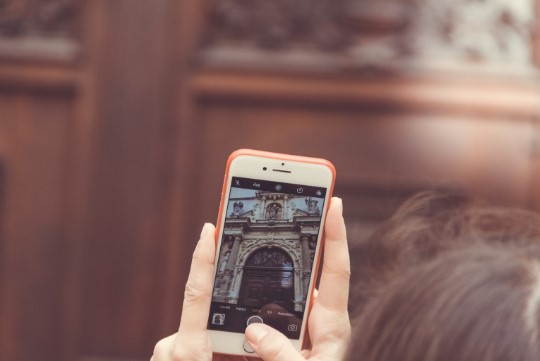
Have you ever come home from a week-long vacation and felt like you needed another week off just to recover? You aren’t alone. We have been conditioned to treat our time off like a high-stakes mission. We build “bucket lists,” book back-to-back tours, and spend our days rushing from one monument to the next, checking items off a list like a second job.
By the time we return to our desks, we are exhausted, overwhelmed, and strangely disconnected from the very places we just visited. This is the “Vacation Burnout” trap. We try to see everything, but in our rush, we end up feeling nothing.
Slow Travel is the antidote. It isn’t just about moving at a literal snail’s pace; it is a psychological shift. It’s the choice to prioritize quality time over a high count of souvenirs. It’s about realizing that a vacation shouldn’t be a marathon, but a chance to finally stop running.
Why We Come Home Tired
The problem starts with our modern mindset of “more is better.” We feel a strange pressure to justify the cost of our flights by seeing every museum, park, and cathedral mentioned in a guidebook. We wake up to early alarms, navigate crowded transit systems, and eat meals on the run.
From a psychological perspective, this keeps our brains in “high alert” mode. When we are constantly navigating new environments and sticking to a rigid schedule, our bodies continue to produce stress hormones like cortisol. Even though we are in a beautiful new city, our nervous system thinks we are still at work, meeting deadlines. We end up with plenty of photos but very few memories of actually feeling relaxed. Slow travel asks us to break this cycle by giving ourselves permission to miss things.
Giving Your Brain a Break
When you have a packed itinerary, your brain is under constant pressure. Every hour involves a new decision: Which train do I take? Where is the entrance? Is it time to leave yet? This leads to “decision fatigue,” where your mind becomes so tired of making choices that you stop enjoying the moment.
Staying in one place for a longer period helps your nervous system finally settle down. When you aren’t worried about catching a 6:00 AM flight to the next city, your heart rate drops and your mind clears.
To help manage this transition into a calmer state of mind, many travelers are turning to tools like the Liven app, which helps users stay mindful of their mental well-being and track their stress levels in real-time. By removing the constant “what’s next?” from your day, you allow your brain to enter a state of true rest, which is the entire point of taking a break in the first place.
Making Real Connections
One of the greatest joys of traveling slowly is the chance to become a “temporary local.” Think about the difference between rushing through a famous square to take a photo and visiting the same small coffee shop three mornings in a row.
By the third day, the barista recognizes you. You notice the way the light hits the street at 9:00 AM. You start to see the rhythm of the neighborhood. These small, familiar moments send a signal of safety to your brain.
Humans are social creatures, and one long, genuine conversation with a local shopkeeper often leaves a much deeper impact on our happiness than a dozen “selfies” at a crowded landmark. When we slow down, we move from being an observer to being a participant.
Learning to Just “Be”
In our normal lives, we are taught that “doing nothing” is a waste of time. In slow travel, doing nothing is the most valuable part of the trip. An empty afternoon spent sitting on a park bench or wandering down a side street without a map isn’t “lost time.” It is the time when your brain processes your experiences.
When you aren’t rushing, you start to notice the little things: the smell of a nearby bakery, the sound of a fountain, or the architecture of a regular house. These small details are what create a sense of “awe.”
Psychology shows that experiencing awe—that feeling of being amazed by something—can actually shrink our personal anxieties and make our daily problems feel more manageable.
By owning your time instead of letting a schedule own you, you regain a sense of freedom that is often missing from modern life.
Tips for Your First Slow Trip
If you are used to fast-paced travel, slowing down can feel strange at first. You might even feel guilty for “wasting” time. To help you transition, try the “One-Stop” rule: instead of visiting three cities in a week, pick one neighborhood and stay there for the entire duration.
Another helpful tip is to delete your itinerary. Leave at least two days of your trip completely blank. No bookings, no reservations, and no alarms. Wake up and ask yourself what you feel like doing, rather than what you have to do.
Finally, try to walk everywhere. Your feet move at the perfect speed for your brain to process the world around it. You’ll find hidden gems that people in taxis or buses will never see.
Final Thoughts
The most beautiful thing about slow travel is that it doesn’t end when you get on the plane to go home. It teaches you a lesson that you can carry into your daily life: you don’t have to rush to have a full, meaningful experience.
By practicing slowness on vacation, you learn how to protect your energy and focus on what truly matters. You come home feeling truly refreshed, not just physically, but mentally. Slow travel reminds us that the goal of life isn’t to see everything—it’s to be fully present for the things we do see. When you stop chasing the sunset, you finally have the time to sit down and actually watch it.