
Father of the Bride House Then & Now 2026
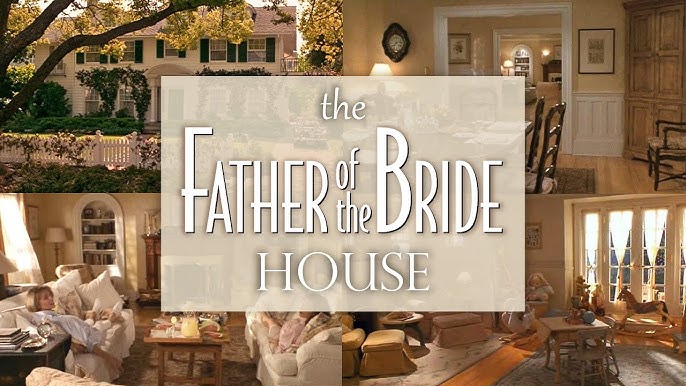
Father of the Bride House stands as one of Hollywood’s most beloved and recognizable movie homes, capturing hearts since the 1991 film premiered.
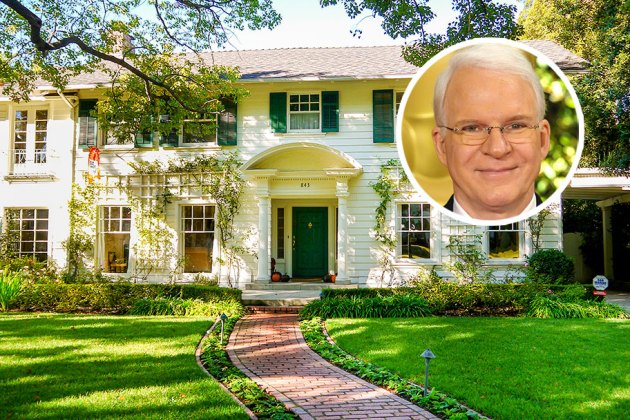
Located at 843 South El Molino Avenue in Pasadena, California, this stunning Colonial Revival residence has become a pilgrimage site for movie fans worldwide.
The iconic white clapboard house with green shutters and white picket fence perfectly embodies the American dream home that George and Nina Banks called home in the heartwarming comedy starring Steve Martin and Diane Keaton.
Quick Overview of Father of the Bride House
| Feature | Details |
|---|---|
| Main House Address | 843 South El Molino Avenue, Pasadena, CA |
| Backyard House Address | 500 North Almansor Street, Alhambra, CA |
| Year Built | 1913 (Main House) / 1925 (Backyard House) |
| Architectural Style | Colonial Revival |
| Square Footage | 4,339 sq ft (Main) / 4,397 sq ft (Backyard) |
| Bedrooms | 8 (Main House) / 4 (Backyard House) |
| Bathrooms | 5 (Main House) / 4 (Backyard House) |
| Last Sale Price (1999) | $950,000 (Main House) |
| Backyard House Sale (2016) | $1.998 million |
| Estimated Value (2026) | $4-5 million (Main House) |
| Movie Released | 1991 (Original) / 1995 (Sequel) |
| Fictional Address | 24 Maple Drive, San Marino, CA |
| Current Status | Private Residence (Both Houses) |
The Story Behind Father of the Bride House
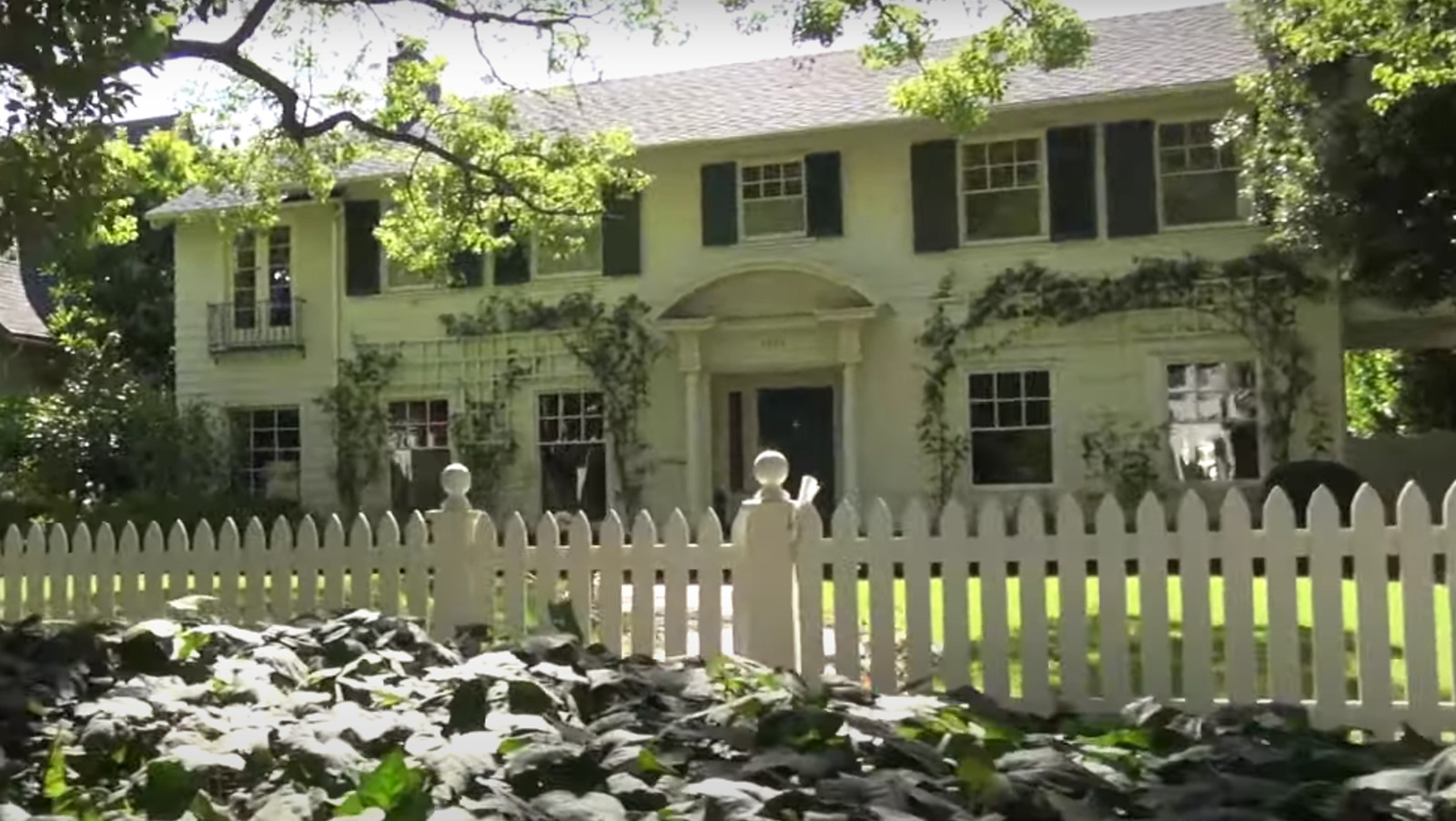
Father of the Bride house actually consists of two separate properties that filmmakers brilliantly combined. When producers scouted locations for the 1991 remake starring Steve Martin, they fell in love with the Pasadena Colonial but needed more space.
The main house at 843 South El Molino Avenue served as the front facade and interior filming location. Built in 1913, this magnificent home embodies everything classic American architecture represents.
However, the backyard wasn’t large enough for the elaborate wedding scenes. Producers found a second Colonial Revival home in nearby Alhambra at 500 North Almansor Street with a spacious yard and basketball court.
This creative solution allowed filmmakers to create the perfect Banks family home. Most viewers never realized they were watching two different properties seamlessly blended together.
The Pasadena house remains one of the most photographed movie homes in America. Fans regularly visit the tree-lined street to see where George Banks declared his love for his home.
Main House Location and Details
The primary Father of the Bride house sits in the heart of Pasadena at 843 South El Molino Avenue. This prestigious address places the home just minutes from Colorado Boulevard’s shopping district.
Built in 1913, the house spans an impressive 4,339 square feet. The residence features eight bedrooms and five bathrooms across two stories of classic Colonial Revival architecture.
Pasadena’s South El Molino Avenue is known for its beautiful tree-lined streets and historic homes. The neighborhood perfectly captures the idyllic suburban setting the movie portrayed.
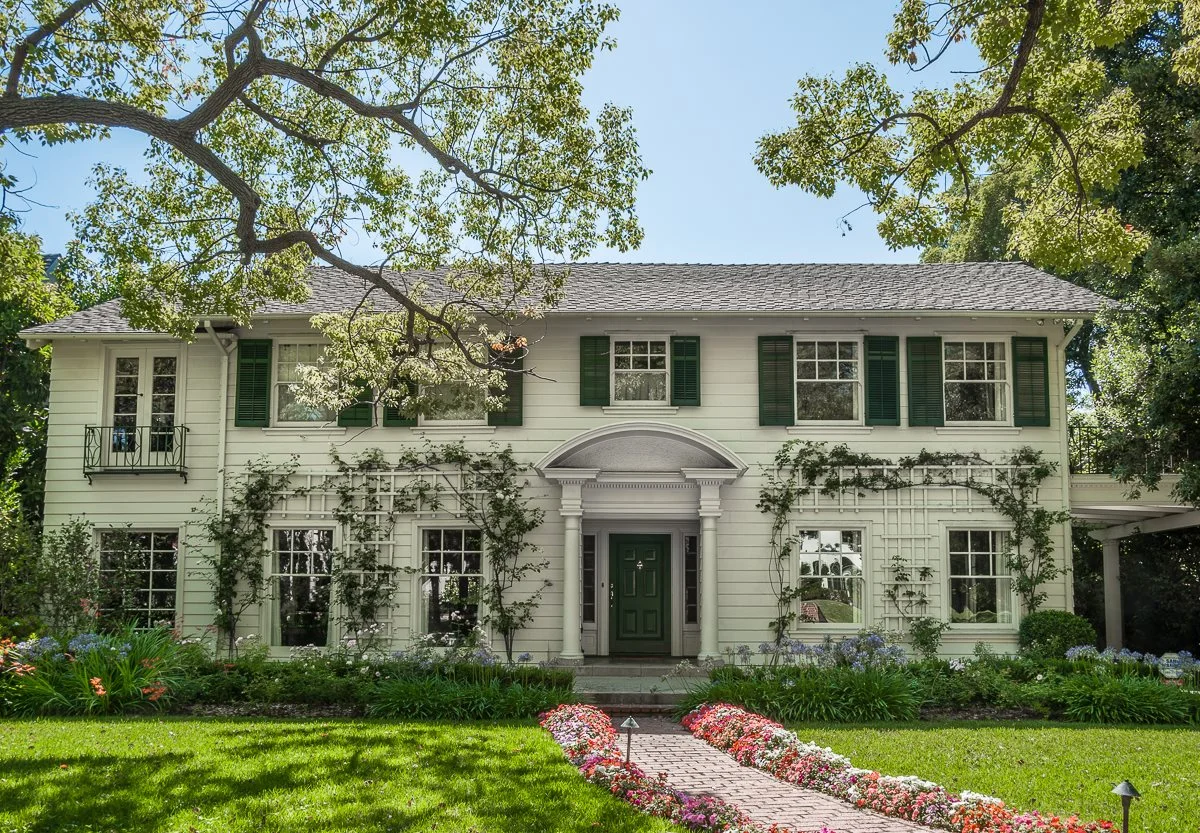
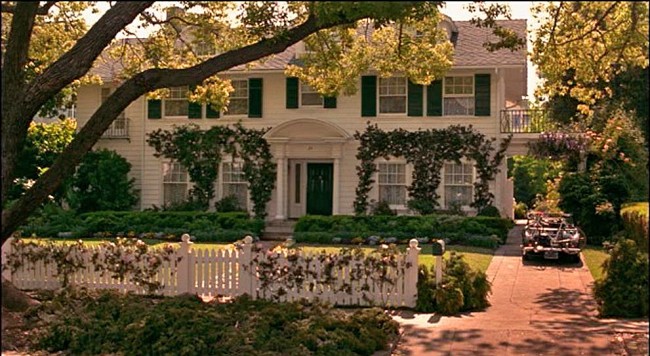
The exterior features pristine white clapboard siding, forest green shutters, and a charming white picket fence. A winding front walkway leads to the covered porch with decorative columns.
The home’s symmetrical design exemplifies Colonial Revival style popular in early 20th century California. Balanced windows, central doorway, and classic proportions create timeless curb appeal.
The Basketball Court House in Alhambra
The second Father of the Bride house at 500 North Almansor Street in Alhambra holds special significance. This is where the most emotional father-daughter moments were filmed.
Built in 1925, this Colonial-style home features 4,397 square feet with four bedrooms and four bathrooms. The property includes a half-acre lot with the famous basketball court still standing today.
Filmmakers used this location for all backyard scenes including Annie and George’s basketball games. Those tear-jerking conversations between father and daughter took place on this very driveway.
The elaborate wedding reception scenes with swans, tents, and hundreds of guests were filmed here. The spacious lawn provided the perfect canvas for the over-the-top wedding Franck Eggelhoffer orchestrated.
In 2016, this house sold for $1.998 million after hitting the market. The sale generated massive media attention as fans rushed to see listings of the iconic property.
Architectural Style and Design Features
Both Father of the Bride houses showcase Colonial Revival architecture that dominated American residential design. This style emerged in the early 1900s as a revival of Colonial-era aesthetics.
The main house features symmetrical facade design with centered front door and evenly spaced windows. Classic proportions and balanced composition create visual harmony that feels both formal and welcoming.
White clapboard siding remains the signature exterior material giving both houses their iconic appearance. This traditional covering references New England colonial homes while adapting to California climate.
Green shutters frame each window providing color contrast and historical authenticity. The shutters serve decorative purposes today but originally protected windows from harsh weather.
Decorative columns support the covered front porch creating a classic portico entrance. These architectural elements add grandeur while maintaining the home’s approachable family-friendly character.
Interior spaces feature high ceilings, crown molding, and built-in cabinetry throughout. The formal layout includes separate living room, dining room, and family spaces typical of period design.
Inside the Father of the Bride House
The interior of Father of the Bride house was actually recreated on sound stages. While exterior shots used the real Pasadena location, most interior scenes were filmed in studios.
Production designers meticulously crafted sets matching the home’s Colonial Revival aesthetic. Every detail from family photos to furniture selection conveyed the Banks family’s warmth and history.
The foyer features a grand staircase where Annie descended in her wedding gown. This iconic moment showcases the home’s elegant entry with hardwood floors and classic architectural details.
The living room became the heart of family gatherings with built-in bookshelves and cozy fireplace. Comfortable furniture arrangements created spaces for both formal entertaining and casual family time.
The kitchen underwent the most noticeable changes between actual house and movie set. The film version featured a more open layout perfect for the chaotic wedding planning scenes.
Upstairs bedrooms provided intimate settings for emotional father-daughter conversations. Annie’s childhood bedroom maintained touches of her youth while reflecting her grown-up sophistication.
Movie Filming History
Father of the Bride filming took place in 1990 with production wrapping before the December 1991 release. Director Charles Shyer chose Southern California locations to represent the fictional San Marino setting.
The Pasadena house was selected for its quintessential American family home appearance. Location scouts wanted a house that immediately communicated warmth, stability, and traditional family values.
Filmmakers shot exterior scenes using the actual South El Molino Avenue property. Neighbors watched as crew members transformed the quiet residential street into a movie set.
Interior scenes required controlled studio environments for lighting and sound purposes. Set designers measured every room to recreate exact proportions and architectural details on sound stages.
The Alhambra house provided the large backyard necessary for wedding reception filming. This location allowed crews to build elaborate sets including the romantic pergola for ceremony photos.
Weather challenges included maintaining consistent appearance across filming days. California’s unpredictable weather required careful scheduling to ensure continuity between outdoor scenes.
The Basketball Court Legacy
The basketball court at 500 North Almansor Street remains one of Father of the Bride’s most recognizable features. This simple concrete driveway court witnessed the film’s most touching moments.
Steve Martin and Kimberly Williams-Paisley filmed their emotional one-on-one games here. These scenes perfectly captured the bittersweet experience of watching children grow up and move on.
The original basketball hoop from the 1991 filming still stands today. When the house sold in 2016, buyers confirmed the hoop’s authenticity, much to fans’ delight.
Subsequent owners have preserved the court understanding its significance to movie history. Fans often ask if they can shoot hoops on the famous court during property viewings.
The basketball scenes represent George Banks’ relationship with his daughter better than dialogue could. Their casual games provided opportunities for honest conversations about life, love, and change.
Real Estate Value and Sales History
The main Father of the Bride house at 843 South El Molino Avenue sold for $950,000 in 1999. The buyers, Sarah and Darrell Spence, specifically wanted a home like the Banks house.
When they told their broker what they wanted, the actual Father of the Bride house coincidentally came on market. They offered less than asking price, concerned fame might inflate the value.
The Spences got their dream home and even held their own wedding reception there in 2000. Their experience mirrored the movie as they hired a local event planner who was thrilled to work at the famous location.
By 2026, the main house’s estimated value has climbed to approximately $4-5 million. Pasadena’s real estate market combined with the home’s Hollywood pedigree drives this significant appreciation.
The Alhambra basketball court house sold for $1.998 million in 2016. Previous owners purchased it in 2011 for $1.275 million, showing substantial appreciation in just five years.
In 2022, the Alhambra property was listed again for $7.99 million. This dramatic price increase reflected both market conditions and the premium buyers pay for cinematic history.
Living in a Famous Movie House
Living in the Father of the Bride house comes with unique experiences and challenges. The Spences, who owned the main house for years, shared stories about their life there.
They regularly encountered fans taking photos from the street. On summer days, they might see seven different groups of camera-toting enthusiasts stopping by.
Sarah Spence felt guilty on trash days worried about ruining fans’ photos. She tried maintaining picture-perfect exterior appearance knowing people traveled specifically to see the house.
The home became setting for real-life proposals and romantic moments. Couples would arrange special occasions outside the house hoping to recreate movie magic.
When contractors placed business signs in the yard, people called asking the sale price. The confusion arose regularly as fans dreamed of owning the iconic property themselves.
Current owners of both houses maintain privacy while acknowledging the homes’ special status. They understand they’re caretakers of Hollywood history and cultural landmarks.
Visiting Father of the Bride House Today
Both Father of the Bride houses remain private residences in 2026 and are not open for tours. Respectful street viewing is acceptable, but trespassing on property is prohibited.
The main house at 843 South El Molino Avenue looks remarkably similar to its 1991 appearance. The white picket fence, green shutters, and classic facade remain beautifully preserved.
Pasadena’s tree-lined streets make visiting the house a pleasant experience. The neighborhood maintains its charming character with well-maintained historic homes throughout.
The basketball court house at 500 North Almansor Street in Alhambra also welcomes respectful viewing. Fans can see the famous court from the street where George and Annie shared their talks.
Photography from public sidewalks is permitted but disturbing residents or neighbors is not. Movie fans should remember real families live in these homes and deserve privacy.
Best viewing times are weekday mornings when traffic is lighter and fewer tourists visit. This allows better photo opportunities while minimizing neighborhood disruption.
Father of the Bride Part II Locations
The 1995 sequel Father of the Bride Part II brought audiences back to the Banks home. Filmmakers returned to the same locations maintaining continuity with the original.
The sequel focused on Nina Banks’ unexpected pregnancy and Annie’s pregnancy simultaneously. The house served as backdrop for double the family chaos and joy.
New interior sets were built recreating the Banks home’s rooms with additions. The nursery became a focal point showcasing creative baby room design that inspired expecting parents.
The attic scenes in the sequel were actually filmed at the Alhambra house. The main Pasadena house lacks attic space above its second floor requiring the location switch.
Both houses blended seamlessly again as filmmakers maintained the illusion of one property. Most viewers never noticed they were watching different locations for different scenes.
Cultural Impact and Popularity
Father of the Bride house influenced American home design preferences for decades. The Colonial Revival style experienced renewed interest following the movie’s success.
Interior designers noted increased requests for built-in bookshelves and formal dining rooms. The Banks home represented aspirational living that combined elegance with family-friendly comfort.
The white picket fence became symbolic of the American dream the movie portrayed. Real estate agents found buyers specifically seeking homes with this classic feature.
Wedding planners referenced the movie when discussing outdoor reception possibilities. While most avoided Franck’s swans, the backyard wedding concept gained tremendous popularity.
The house remains one of the most searched movie homes on the internet. Websites dedicated to famous film locations consistently rank it among top visitor interests.
Comparing Original and Remake Houses
The 1950 original Father of the Bride starring Spencer Tracy used different locations. That version was filmed on MGM studio backlot with completely constructed sets.
The original house portrayed East Coast colonial architecture reflecting Connecticut or New York settings. The Banks family in that version represented old-money eastern establishment.
The 1991 remake deliberately moved the story to California while maintaining colonial aesthetic. This choice reflected changing American demographics and westward population shifts.
Steve Martin’s version made the house more accessible and relatable to modern audiences. The California setting felt more achievable to viewers than East Coast mansion grandeur.
Both versions emphasized home as central to family identity and values. The houses serve as more than backdrops—they’re characters representing stability and tradition.
Other Movies Filmed at the Houses
The main Father of the Bride house appeared in the 2003 film Cheaper by the Dozen. This Steve Martin comedy used exterior shots establishing his character’s family home.
Bernie Mac’s 2005 comedy Guess Who also filmed at the Pasadena location. The house’s recognizable facade appears in opening scenes establishing the family setting.
The Alhambra basketball court house had limited appearances in other productions. Its distinctive features and Father of the Bride association made it less versatile for filmmakers.
Both houses occasionally appear in commercials and print advertisements. Their classic American home appearance makes them valuable for marketing products targeting families.
Television shows have used the locations for background shots and establishing scenes. The houses’ instant recognition adds production value without requiring extensive set construction.
Pasadena Neighborhood and Surroundings
South El Molino Avenue in Pasadena is one of Southern California’s most desirable streets. The tree-lined boulevard features historic homes representing various architectural styles.
Pasadena itself offers excellent schools, cultural institutions, and shopping options. The city maintains its historic character while providing modern amenities residents expect.
Colorado Boulevard’s shopping district sits just five minutes from the Father of the Bride house. This proximity provides convenient access to restaurants, boutiques, and entertainment.
Nearby attractions include the Huntington Library, Rose Bowl Stadium, and Gamble House. These landmarks make Pasadena a popular destination beyond the movie house itself.
The neighborhood’s walkability allows residents to enjoy tree-shaded streets and local parks. This livability factor contributes to sustained property values and community cohesion.
Alhambra Location Details
Alhambra lies eight miles from downtown Los Angeles offering suburban charm near urban amenities. The city provides diverse cultural experiences and strong community character.
North Almansor Street where the basketball court house sits is equally prestigious. The neighborhood features well-maintained homes and mature landscaping creating peaceful residential environment.
Alhambra’s proximity to Pasadena means both Father of the Bride houses are close together. Movie fans can visit both locations in a single trip maximizing their experience.
The city offers excellent Asian cuisine and cultural festivals throughout the year. This diversity makes Alhambra an interesting destination beyond its movie location fame.
Local real estate values have appreciated steadily making both neighborhoods sound investments. The Father of the Bride connection adds premium above standard market rates.
Interior Design Inspiration
The Father of the Bride house interior inspired countless home renovations and decorating projects. The cozy yet elegant aesthetic remains popular with homeowners today.
Built-in bookshelves flanking fireplaces became sought-after features after the movie. These architectural elements add character while providing practical storage and display space.
The formal dining room setup with traditional furniture influenced entertaining spaces. Many homeowners created similar rooms perfect for hosting family gatherings and celebrations.
The kitchen’s warm color palette with yellow walls created inviting atmosphere. This friendly approach to kitchen design contrasted with stark white kitchens common in the era.
Bedroom designs balanced adult sophistication with comfortable livability. Annie’s room particularly inspired young women’s bedroom makeovers combining pretty details with practical function.
The White Picket Fence Symbolism
The white picket fence surrounding the Father of the Bride house carries deep symbolic meaning. This classic American icon represents security, prosperity, and traditional family values.
George Banks specifically mentions the fence in his opening monologue about loving his home. The fence literally and figuratively defines the family’s private space and identity.
In American culture, white picket fences symbolize achieving the middle-class dream. They suggest stability, respectability, and successful family life that many aspire to create.
The fence’s appearance in the movie reinforced these associations for millions of viewers. Real estate agents noted increased buyer interest in properties with white picket fences.
Maintaining the fence became metaphor for maintaining family traditions and values. Just as fences need regular painting, families need regular attention to stay strong.
Photography and Social Media Popularity
Father of the Bride house remains incredibly popular on Instagram and social media platforms. Fans post photos using hashtags like #FatherOfTheBride and #MovieHouses.
The main house’s photogenic quality makes it perfect for social media content. The white facade, green shutters, and charming fence create ideal composition for photographs.
Wedding photographers sometimes bring couples to the location for engagement photos. The romantic movie association adds special meaning to these pre-wedding portraits.
Travel bloggers include both houses on Los Angeles movie location tours. The properties feature prominently in content about famous filming locations worth visiting.
The houses’ enduring social media presence introduces new generations to the film. Young people discover the 1991 movie after seeing the beautiful house online.
Preservation and Maintenance
Maintaining historic homes like the Father of the Bride houses requires significant ongoing effort. Owners must preserve architectural integrity while updating systems and features.
The Colonial Revival style demands attention to authentic materials and construction methods. Modern renovations must respect original design intent while meeting current building codes.
Both houses have undergone updates since the 1991 filming to maintain structural soundness. These improvements happen carefully to avoid altering the recognizable exterior appearance.
Paint maintenance is crucial for white clapboard siding exposed to California sun. Regular repainting protects wood while maintaining the pristine appearance fans expect.
Landscaping requires ongoing care to keep mature trees healthy and lawns perfect. The park-like settings contribute significantly to both properties’ overall charm and value.
Economic Impact on Surrounding Area
The Father of the Bride house brings economic benefits to Pasadena and Alhambra neighborhoods. Movie tourism generates foot traffic that supports local businesses.
Nearby restaurants and shops benefit from visitors who combine house viewing with dining and shopping. Many fans make full days of their movie location pilgrimages.
Real estate agents leverage the houses’ proximity when marketing other neighborhood properties. Living near a famous landmark adds cachet that translates to property value.
The houses contribute to Pasadena’s identity as a film-friendly city. This reputation attracts more productions choosing to shoot in the area.
Local tour companies include the houses on guided Los Angeles movie location tours. These commercial ventures create jobs while showcasing neighborhood attractions.
Behind the Scenes Production Details
Production designer on Father of the Bride faced challenges creating cohesive visual story from two houses. Careful attention to matching details made the illusion seamless.
Color grading and cinematography techniques helped blend exterior shots from different locations. The film’s warm, golden color palette unified scenes regardless of actual filming site.
Set decorators purchased period-appropriate furniture and accessories creating lived-in family home feeling. Every object was chosen to tell story about the Banks family history and taste.
Lighting designers replicated natural light conditions across studio sets and practical locations. This consistency maintained believability even when switching between real house and studio interiors.
The snowy wedding day required special effects crews to cover sunny California with fake snow. This memorable scene showcased production team’s ability to transform reality for storytelling purposes.
Steve Martin’s Connection to the House
Steve Martin’s performance as George Banks made the house’s character come alive. His monologues about loving the home gave emotional weight to the physical location.
The opening scene where George describes his town and house establishes deep connection. His pride in the home reflects universal feelings homeowners experience about their properties.
Martin’s basketball scenes at the Alhambra house created the film’s most touching moments. His natural rapport with co-star Kimberly Williams-Paisley elevated these simple scenes to emotional highlights.
The actor’s comedic timing shone in scenes of George navigating his chaotic house during wedding planning. Physical comedy worked perfectly in the realistic home setting.
Martin returned for the sequel further cementing his association with the property. The house became inseparable from his portrayal of the devoted but overwhelmed father.
Diane Keaton’s Interior Design Influence
Diane Keaton’s personal interest in architecture and design influenced the Banks house aesthetic. Her character Nina Banks embodied sophisticated but approachable homemaking style.
Keaton brought authentic maternal warmth to scenes shot in the home’s various rooms. Her natural comfort in domestic settings made the house feel genuinely lived-in and loved.
The actress’s real-life reputation as a home renovator added credibility to her character. Audiences believed Nina Banks would create and maintain such a beautiful family home.
Keaton’s elegant but unfussy wardrobe complemented the house’s classic design. Her style choices reflected the same timeless good taste evident in the architecture.
The chemistry between Keaton and Martin made their on-screen marriage believable. Their partnership anchored the house’s identity as a true family home rather than just a set.
Wedding Scene Impact
The backyard wedding scenes at the Alhambra house influenced real wedding trends significantly. Outdoor home weddings gained tremendous popularity following the movie’s release.
Brides began planning elaborate backyard receptions mirroring the movie’s vision. Tent rental companies, caterers, and wedding planners saw increased demand for residential celebrations.
The romantic pergola where wedding photos were taken became coveted feature in wedding planning. Similar structures appeared in venues and private yards across America.
While most couples skipped Franck’s live swans, other decorative elements found widespread adoption. String lights, white flowers, and elegant simplicity dominated wedding design preferences.
The movie demonstrated that home weddings could rival expensive venue celebrations. This realization made marriage celebrations more accessible while maintaining sophistication and meaning.
The Banks Family Legacy
The Banks family’s fictional residence represents idealized American family life. Their home embodies values of love, tradition, and togetherness that transcend generations.
George and Nina’s marriage models partnership balancing individual personalities with shared goals. Their home serves as foundation for this successful relationship and family.
Annie and Matty’s childhood in this house shaped their values and life choices. The stable, loving environment prepared them for their own adult lives and relationships.
The house witnesses all major life transitions from births to weddings and beyond. It becomes character itself participating in the family’s joys and challenges.
Future generations discovering the movie connect with these timeless family themes. The house remains symbol of what home means beyond just shelter and property.
Similar Movie Houses Worth Visiting
The Home Alone house in Winnetka, Illinois shares similar appeal to Father of the Bride locations. Both represent aspirational family homes that achieved iconic status.
The Notebook plantation house in South Carolina attracts romantic movie fans seeking filming locations. Like Father of the Bride, it symbolizes enduring love and commitment.
Mrs. Doubtfire’s house in San Francisco offers urban alternative to suburban California colonials. All three properties showcase different but equally beloved visions of home.
The Something’s Gotta Give beach house in the Hamptons represents another Diane Keaton movie home. Fans often create itineraries visiting multiple locations from her films.
These properties together form a movie house tourism circuit for enthusiasts. Each offers unique architectural style while maintaining universal appeal and emotional resonance.
Future of the Father of the Bride House
Both Father of the Bride houses will likely remain private residences for foreseeable future. Their locations in desirable neighborhoods ensure continued demand and high values.
Preservation of their iconic appearances seems assured given owner pride and public interest. Future buyers will understand they’re purchasing pieces of film history requiring stewardship.
The houses may appear in future films, commercials, or television productions. Their instant recognition provides value to productions seeking established locations.
As the 1991 film introduces itself to new generations through streaming, interest will continue. Young viewers discovering the movie will want to visit the real locations.
The properties’ values will likely continue appreciating as both real estate and cultural artifacts. Combining desirable locations with Hollywood history creates unique investment proposition.
Frequently Asked Questions (FAQs)
Where is the Father of the Bride house located?
The main Father of the Bride house is located at 843 South El Molino Avenue in Pasadena, California. The backyard and basketball court scenes were filmed at 500 North Almansor Street in Alhambra, California.
Can you visit the Father of the Bride house?
Yes, you can view both Father of the Bride houses from the street as they are private residences. Tours inside the homes are not permitted, but respectful photography from public sidewalks is acceptable.
How much did the Father of the Bride house sell for?
The main Pasadena house sold for $950,000 in 1999. The Alhambra backyard house sold for $1.998 million in 2016 and was later listed for $7.99 million in 2022.
What is the Father of the Bride house worth now?
The main Pasadena house is estimated to be worth $4-5 million in 2026. The Alhambra house’s current estimated value ranges between $3-4 million based on recent market conditions.
Why were two different houses used for Father of the Bride?
Filmmakers used two houses because the main Pasadena house had the perfect exterior but lacked a large enough backyard for wedding scenes. The Alhambra house provided the spacious yard and basketball court needed.
Is the basketball hoop from the movie still there?
Yes, the original basketball hoop from the 1991 filming still stands at the Alhambra house. When the property sold in 2016, the listing agent confirmed the hoop’s authenticity.
What style of architecture is the Father of the Bride house?
Both Father of the Bride houses feature Colonial Revival architecture. This style was popular in early 20th century America and emphasizes symmetry, white clapboard siding, and classical proportions.
Who owns the Father of the Bride house now?
Both houses are privately owned by families who purchased them years after filming. The Spence family owned the Pasadena house for many years, hosting their own wedding reception there.
Was the Father of the Bride house built for the movie?
No, both houses are real historic homes built in the early 1900s. The Pasadena house was built in 1913, and the Alhambra house was built in 1925.
What other movies were filmed at the Father of the Bride house?
The Pasadena house appeared in Cheaper by the Dozen (2003) and Guess Who (2005). Both houses have been used in commercials and occasionally for television productions.
Conclusion
Father of the Bride house continues captivating audiences more than three decades after the movie premiered in 1991.
The two Colonial Revival homes in Pasadena and Alhambra perfectly embodied the Banks family’s warmth, stability, and traditional American values.
From the iconic white picket fence to the emotional basketball court conversations, these properties transcended their role as mere filming locations to become beloved characters in their own right.
Today in 2026, both houses remain private residences while welcoming respectful admiration from fans worldwide. Their enduring popularity demonstrates cinema’s power to immortalize places where life’s precious moments unfold.