Lily of the Valley Meaning Love, Purity & Luck 2026
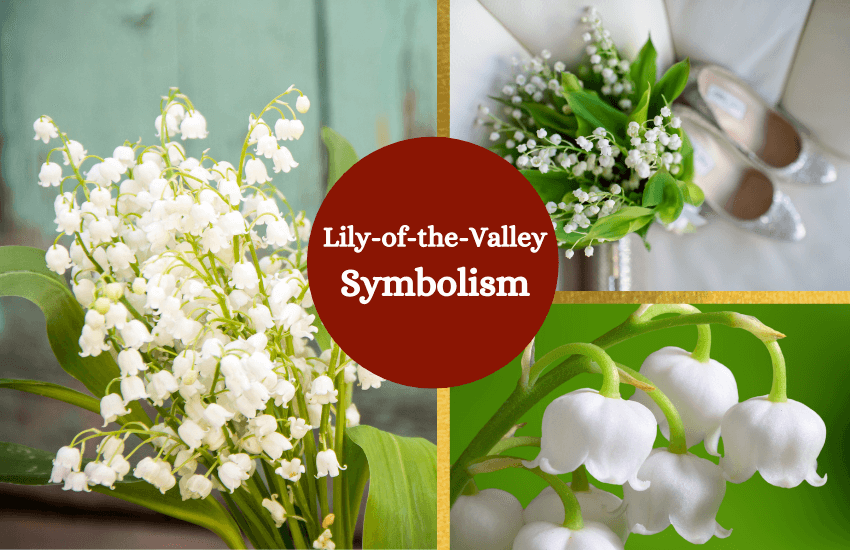
Lily of the valley meaning reaches far deeper than most people realise — this delicate, bell-shaped bloom carries centuries of symbolism rooted in love, purity, luck, and spiritual renewal.
From royal wedding bouquets to ancient mythology, from French May Day streets to Victorian parlour guides, the lily of the valley has fascinated cultures across the world.
What Is the Lily of the Valley?
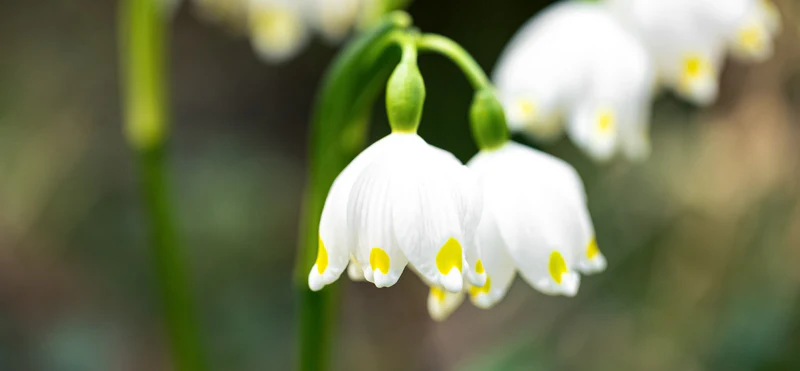
The lily of the valley is a woodland perennial flower known scientifically as Convallaria majalis.
Despite its name, it is not actually a true lily. It belongs to the asparagus family (Asparagaceae) and is the only species in its genus.
Its scientific name tells a story: Convallaria comes from the Latin for “valley,” and majalis means “belonging to May.” Together they paint a perfect picture — a valley flower that blooms in May.
Key Physical Features
Each plant grows to about 15–30 cm tall and produces two to three broad green leaves. A single slender stem rises from the centre, lined with five to fifteen tiny, nodding, bell-shaped flowers.
The flowers are most commonly pure white, though pink and lilac varieties also exist. The scent is famously sweet, green, and dewy — so distinctive that it is one of the most imitated fragrances in the perfume industry.
Other Names for the Lily of the Valley
| Common Name | Origin / Reason |
|---|---|
| May Lily / May Bells | Blooms in May |
| Our Lady’s Tears | Christian legend — Virgin Mary’s tears |
| Mary’s Tears | Same Christian origin |
| Muguet (French) | French national name |
| Ladder-to-Heaven | Spiritual symbolism |
| Fairy Bells | Folklore — bells summon good spirits |
| Glovewort | Old English — used in salves for sore hands |
Core Lily of the Valley Meaning: The Full List
The lily of the valley meaning is almost entirely positive, which explains why this modest flower has endured as a global symbol for centuries.
The Primary Meanings
- Purity — The snow-white colour has represented innocence and untouched virtue since ancient times
- Return to happiness — The most cited Victorian meaning; a wish that joy will come back after sadness
- Humility — The nodding, downward-facing bells are seen as a posture of modesty
- Love — In the Victorian language of flowers, gifting a lily of the valley means “you have made my life complete”
- Luck — In France and across many cultures, it is a good luck charm
- New beginnings — Its spring bloom connects it to fresh starts and renewal
- Sweetness — Both literally (its fragrance) and metaphorically (gentleness of spirit)
- Motherhood — Long associated with nurturing, gentle love
Lily of the Valley Meaning by Colour
| Colour | Primary Meaning |
|---|---|
| White | Purity, innocence, humility, sincerity |
| Pink | Gentle love, tenderness, joy, femininity |
| Lilac / Purple | Spirituality, mysticism, rare grace |
White is by far the most common and most symbolically loaded. Pink varieties carry a softer, more romantic feel. Lilac is rare and often associated with spiritual depth.
Lily of the Valley Meaning in Different Cultures
One of the most fascinating aspects of lily of the valley meaning is how consistently positive it has remained across radically different cultures and time periods.
Victorian Era: Return to Happiness
In the 19th-century language of flowers — known as floriography — lily of the valley was one of the most sought-after blooms.
Victorian homes often kept flower-language guidebooks alongside the Bible. The lily of the valley was decoded as “return to happiness” — a deeply meaningful phrase in an era when grief and loss were everyday realities.
Giving someone a sprig was a quiet, eloquent way of saying: “I wish your joy back.”
France: La Fête du Muguet — Luck and Spring
In France, 1 May is La Fête du Muguet — Lily of the Valley Day.
The tradition began in 1561 when King Charles IX was given a lily of the valley as a lucky charm at the start of spring. He was so charmed that he started giving sprigs to all the ladies of his court each May Day.
The custom spread across the entire country. Today on 1 May, flower sellers fill French streets selling small bouquets of muguet. People give sprigs to loved ones as a porte-bonheur — a good luck charm for the year ahead.
Sellers are exempt from paying sales tax on this single day, a unique legal tradition that survives to the present.
Christianity: Tears, Humility, and Christ
The lily of the valley carries rich meaning across Christian traditions.
One legend holds that the flowers sprang from the tears of the Virgin Mary as she wept at the foot of the cross — which is why they are also called “Our Lady’s Tears” and “Mary’s Tears.”
Another version says they grew from Eve’s tears as she was expelled from the Garden of Eden — a symbol of sorrow transformed into beauty.
In many Christian traditions, the flower also represents the second coming of Christ — its spring blooming read as a symbol of renewal, resurrection, and the promise of return.
The Bible’s Song of Solomon (2:1) famously declares: “I am a rose of Sharon, a lily of the valleys” — a passage that has long been interpreted as a metaphor for Christ’s humility and purity.
Greek Mythology: Apollo and His Muses
In ancient Greek mythology, lily of the valley was connected to the sun god Apollo.
Legend says Apollo cultivated the flowers along forest paths so that his nine Muses — the goddesses of the arts — would have a soft, fragrant carpet to walk upon.
This story gives the flower its associations with delicacy, kindness, and the protection of the arts.
Another myth describes a lily of the valley that fell in love with the song of a nightingale and would only bloom when the bird returned to the woods each May. This tale deepens its connection to seasonal love and longing.
Germanic and Norse Mythology: Ostara and Purity
In Germanic tradition, lily of the valley was sacred to Ostara — the virgin goddess of spring and the spring equinox.
Her name is the root of the word “Easter,” and her associations with renewal, dawn, and purity passed directly into the symbolism of the flower.
In Norse and Anglo-Saxon traditions, the connection to Ostara/Eostre further embedded the lily of the valley as a symbol of spring’s pure, untouched arrival.
Romania: Tears of Love and Loss
In Romanian culture, lily of the valley is a symbol of grief transformed into love.
A traditional story tells of a young girl who wept at her parents’ graves after being sent to an orphanage. Where her tears fell, lily of the valley began to grow — turning sorrow into something beautiful.
This cultural meaning gives the flower a dual nature: joyful in spring celebrations, yet tender in contexts of remembrance and memorial.
Finland and Yugoslavia: National Flower
The lily of the valley is the national flower of Finland.
It was also the national flower of the former Yugoslavia. In both nations, the flower represents simplicity, humility, and the natural beauty of the northern spring landscape.
Its selection as a national emblem reflects how universally positive its symbolism is — it carries no political or divisive associations, only quiet beauty and hope.
Lily of the Valley Meaning in Weddings
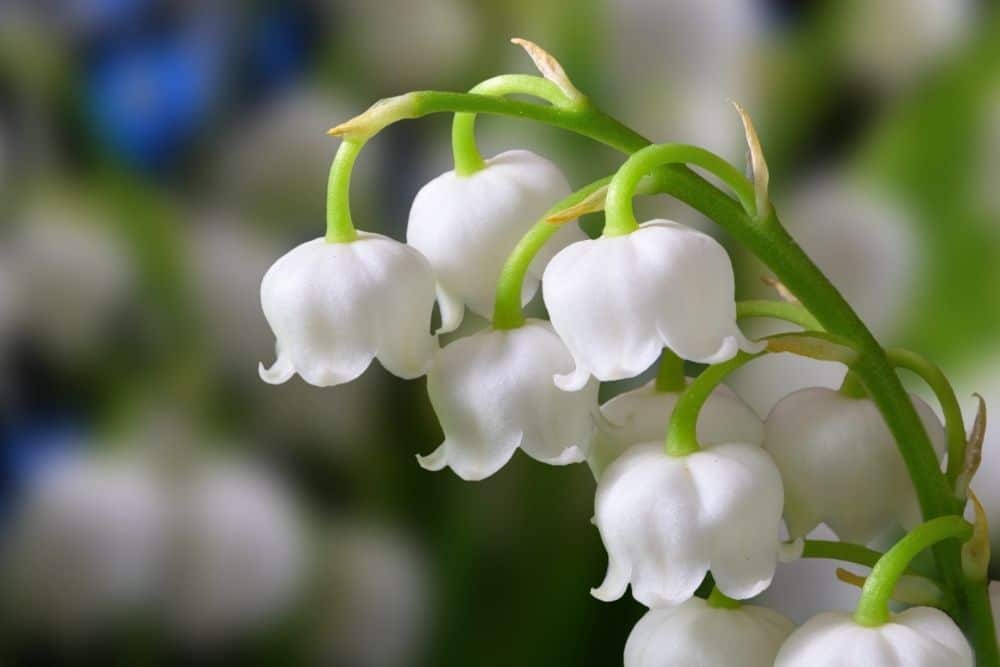
The lily of the valley is one of the most frequently chosen flowers in wedding bouquets worldwide — and for good reason.
What It Symbolises in a Wedding Context
In a wedding, the lily of the valley carries the perfect blend of meanings:
- Purity of heart and intention
- Return to happiness (a wish for the couple)
- Trustworthiness and sincerity
- Luck and protection for the marriage
- New beginnings
In Holland, there is a tradition of planting lily of the valley in the garden of newlyweds as a symbol of their enduring love. When the flowers return each spring, they renew the wedding vows with their bloom.
Royal Weddings Featuring Lily of the Valley
The flower has appeared in the most famous bouquets in modern history:
| Royal / Celebrity | Wedding Year | Role of Lily of the Valley |
|---|---|---|
| Queen Victoria | 1840 | Featured in bouquet — set the fashion |
| Grace Kelly | 1956 | Central flower in iconic bouquet |
| Princess Grace of Monaco | 1956 | Same (Grace Kelly) |
| Queen Elizabeth II | 1953 | In coronation floral displays |
| Princess Astrid of Sweden | 1961 | Featured in bridal bouquet |
| Kate Middleton (Princess of Wales) | 2011 | Prominent in bouquet — chose for purity and return of happiness |
| Meghan Markle | 2018 | Included in bouquet |
Kate Middleton specifically chose lily of the valley for its connections to trustworthiness and the return of happiness — reportedly her primary reasons for including it.
Lily of the Valley Spiritual Meaning
Beyond cultural and religious traditions, the lily of the valley carries a distinct spiritual meaning that resonates across many belief systems.
Bells That Call Good Spirits
The bell shape of each tiny flower is not merely decorative — in folklore, bells are believed to summon good spirits and ward off evil.
Many cultures historically kept lily of the valley in doorways and window sills to protect the home from malevolent forces and negative energy.
The belief that these small bells could communicate with the spirit world gave the flower a unique magical status in folklore traditions across Europe.
Purity of Soul
In spiritual traditions, the white lily of the valley represents the purity of the soul journeying toward the divine.
Its humble, nodding posture — never upright or showy — is read as spiritual humility: the soul that does not seek recognition but quietly blooms in service to something greater.
Renewal and Awakening
Blooming at the very edge of winter and spring, the lily of the valley is a spiritual symbol of awakening — the moment consciousness stirs from its dormant state and reaches toward light.
This transition mirrors spiritual rebirth, whether understood through Christian resurrection, the Norse goddess Ostara, or the Buddhist concept of renewal through impermanence.
Lily of the Valley Meaning as a Gift
When to Give Lily of the Valley
The lily of the valley is one of the most versatile gifting flowers because its symbolism fits so many life moments.
It is especially meaningful for:
- Weddings and anniversaries — purity, love, and renewed happiness
- Mother’s Day — motherhood symbolism and gentle nurturing love
- Birthdays in May — it is the May birth flower
- Get well gifts — the primary meaning “return to happiness” makes it the perfect recovery wish
- New beginnings — new job, new home, new chapter
- Sympathy and memorial — in some cultures, a tender acknowledgment of grief transformed into beauty
In the Victorian language of flowers, giving a single stem of lily of the valley to someone said: “You have made my life complete.” This makes it one of the most romantic gifts in floriography, more quietly eloquent than a red rose.
What Gifting a Lily of the Valley Says
| Occasion | Message Conveyed |
|---|---|
| Wedding / Anniversary | “Your love has made my life complete” |
| Mother’s Day | “Your gentle love nurtures everything around you” |
| Birthday (May) | “You are a spring in every season” |
| Get Well | “I wish your happiness back with every petal” |
| New Home / Job | “Good luck and fresh beginnings await you” |
| Sympathy | “Your grief will bloom into something beautiful” |
Lily of the Valley Meaning in Tattoos
Lily of the valley tattoos have surged in popularity, particularly among people born in May and those seeking a symbol of personal renewal.
What a Lily of the Valley Tattoo Means
A lily of the valley tattoo most commonly represents:
- Purity and innocence — the white bells are timeless symbols of untouched virtue
- Return to happiness — frequently chosen by people who have overcome illness, grief, or hardship
- New beginnings — a visual reminder of a fresh chapter
- Maternal love — worn by mothers to express the bond with their children
- Birth month pride — May babies often choose this as their birth flower tattoo
Popular Lily of the Valley Tattoo Styles
Fine-line black and grey work captures the delicate bell shape beautifully. Botanical illustration styles suit people who want a natural, scientific look. Watercolour styles work well for pink or white varieties. Minimalist single-stem designs are popular for wrist and ankle placements.
Placement and What It Says
Wrist placements are the most common — visible and personal. Behind-the-ear placements suit people who want a quiet, private symbol. Shoulder and forearm placements work for larger, more detailed botanical designs.
Lily of the Valley: Toxicity Warning
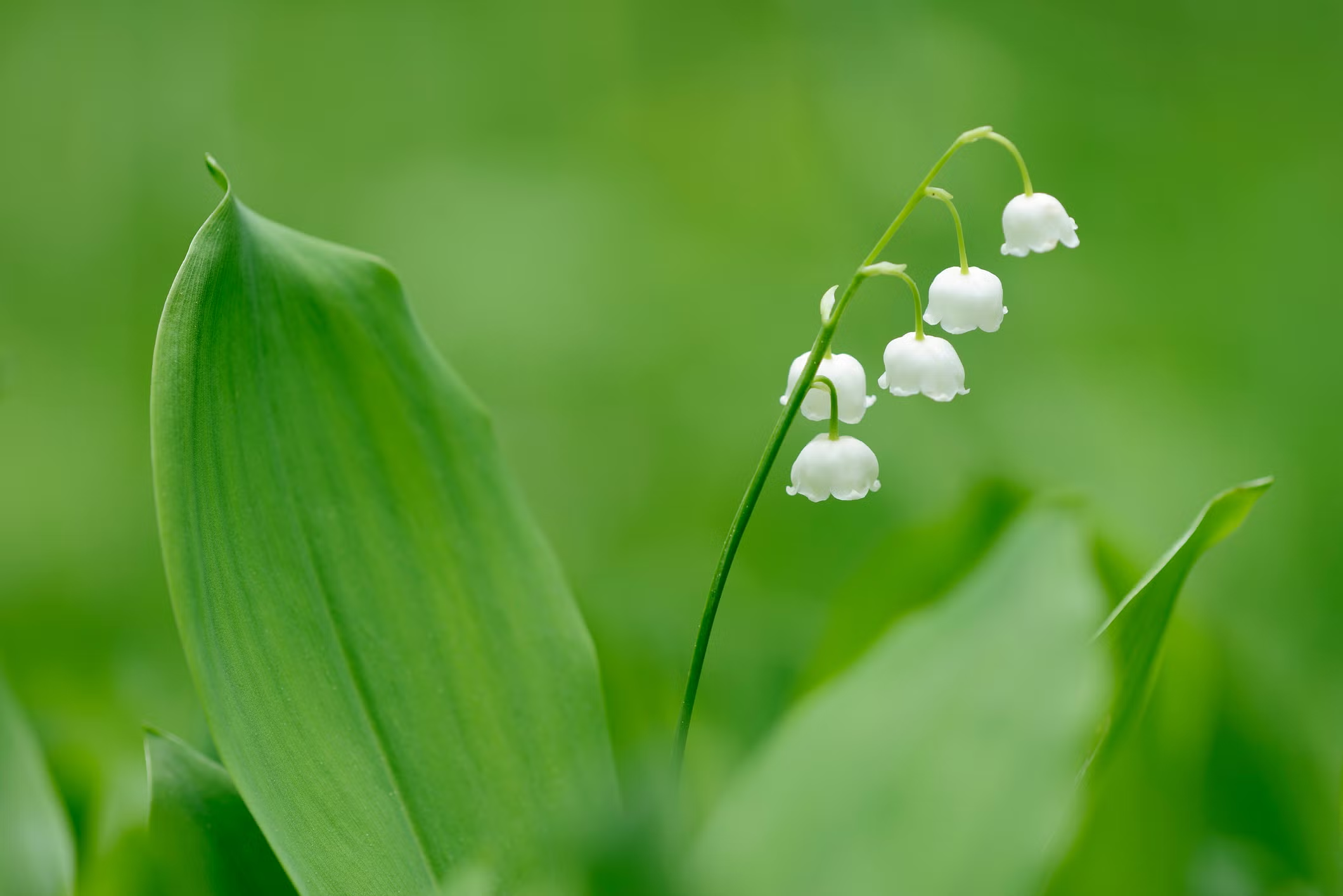
Despite all its gentle symbolism, the lily of the valley is highly poisonous — a critical fact that balances its sweet reputation.
All parts of the plant contain cardiac glycosides, which affect heart rhythm. Ingestion can cause severe symptoms including nausea, vomiting, abdominal pain, and dangerously irregular heartbeat.
The orange-red berries that appear in autumn are particularly attractive to children and pets — but are equally toxic.
Keep lily of the valley completely out of reach of children, cats, dogs, and all other pets. If ingestion is suspected, seek emergency medical or veterinary help immediately.
This toxic quality adds an interesting dimension to the flower’s symbolism — like many things of great beauty, it conceals hidden danger. In Victorian flower language, this duality was recognised and sometimes intentionally referenced in the bouquets that were sent.
Lily of the Valley in Art, Literature, and Culture
The lily of the valley has inspired artists, writers, musicians, and perfumers across centuries.
In Music
The English rock band Queen wrote a song called “Lily of the Valley,” released in 1974 on their Sheer Heart Attack album. The song uses the flower as a symbol of innocence and shifting emotions.
The Russian composer Tchaikovsky wrote a poem called “Lilies of the Valley” in December 1878 while staying in Florence — a quiet tribute to the flower’s delicacy.
In Literature
Anton Chekhov referenced drops of convallaria as a medicinal remedy in his 1898 short story A Doctor’s Visit.
Robert Louis Stevenson mentioned “Lilly of the valley water” in his 1886 novel Kidnapped, noting it was “good against the Gout” and that it “comforts the heart.”
In Perfumery
Christian Dior’s personal favourite flower was lily of the valley. In 1956, the French house released Diorissimo — a fragrance built entirely around recreating its scent. It is considered one of the greatest perfumes of the 20th century.
Since no natural aromatic extract can be produced from the flower, its scent must be created synthetically in all perfumes — a fascinating fact given that the real bloom’s scent is one of nature’s most recognisable and beloved.
Perfume houses from Estée Lauder to Penhaligon’s and Molton Brown have used lily of the valley as a cornerstone fragrance ingredient.
In Art
Albrecht Dürer and Leonardo da Vinci both celebrated the flower in their botanical work. Renaissance paintings featuring the Virgin Mary frequently included lily of the valley to emphasise themes of modesty and spiritual purity. Marc Chagall produced Lillies-of-the-Valley in 1916 as a lyrical tribute to its delicate beauty.
How to Grow Lily of the Valley
Understanding how to grow this flower adds another dimension to its meaning — it is a humble, low-maintenance plant that thrives in shade, just as its symbolism suggests.
Growing Conditions
Lily of the valley prefers partial to full shade — it naturally grows on forest floors under tree canopies. It thrives in cool, moist, humus-rich soil with a pH of acidic to neutral.
It is hardy in USDA zones 2–7, making it one of the toughest woodland plants in temperate climates.
Spreading Behaviour
The plant spreads rapidly via underground rhizomes. Once established, it can become invasive — covering large patches of ground within a few years.
If you want to control its spread, grow it in pots or containers. In the ground, divide the roots every few years to keep growth manageable and encourage continued flowering.
Blooming Season
Lily of the valley blooms for just 3 to 4 weeks in late spring — usually from late March through May. This brief, brilliant flowering period is part of what makes it so precious. Like all ephemeral beauty, it is more valued because it does not last.
Frequently Asked Questions About Lily of the Valley Meaning
What is the main meaning of lily of the valley?
The primary meaning of lily of the valley is “return to happiness” — a Victorian interpretation that has endured globally. It also broadly symbolises purity, humility, luck, and new beginnings.
What does lily of the valley mean in love?
In the Victorian language of flowers, gifting lily of the valley declares: “You have made my life complete.” It represents sincere, humble love and the joy of finding your person.
What does lily of the valley symbolise at a wedding?
At weddings, lily of the valley symbolises purity of heart, trustworthiness, good luck, and the wish for lasting happiness — which is why Kate Middleton, Grace Kelly, and Queen Victoria all featured it in their bouquets.
Is lily of the valley a good luck flower?
Yes. In France and many European cultures, lily of the valley is considered a powerful good luck charm, especially when given on 1 May (La Fête du Muguet). It is believed to bring good fortune, ward off evil spirits, and protect the home.
What is the spiritual meaning of lily of the valley?
Spiritually, lily of the valley represents purity of soul, humility before the divine, and renewal of consciousness. Its bell shape is said to summon good spirits, and it is associated with the Virgin Mary, Christ’s return, and the spring goddess Ostara.
What does a lily of the valley tattoo mean?
A lily of the valley tattoo most commonly means purity, return to happiness, new beginnings, or maternal love. It is also the May birth flower tattoo, chosen by those born in May as a symbol of their birth month.
What is the biblical meaning of lily of the valley?
In the Bible, Song of Solomon 2:1 uses “lily of the valleys” as a metaphor for humility and the beauty of Christ. Many Christian traditions also connect it to the tears of the Virgin Mary and the second coming of Christ.
What does pink lily of the valley mean?
Pink lily of the valley symbolises tender love, gentle joy, and femininity. While white conveys pure innocence, pink adds warmth and a softer romantic dimension to the flower’s meaning.
Why is lily of the valley the May birth flower?
Lily of the valley is the May birth flower because it blooms naturally in May throughout the Northern Hemisphere, its Latin name (majalis) literally means “belonging to May,” and it has been associated with May Day celebrations for centuries.
Is lily of the valley poisonous despite its sweet meaning?
Yes — all parts of lily of the valley are highly toxic due to cardiac glycosides. Despite its gentle symbolism, it must be kept away from children and pets. This hidden danger is part of what makes it a complex, layered symbol in literature and folklore.
Conclusion
The lily of the valley meaning is a tapestry woven from love, legend, religion, royalty, and the pure joy of spring.
From ancient Greek myths to French streets filled with muguet bouquets, from the Bible’s valleys to Kate Middleton’s wedding bouquet, this small, bell-shaped bloom has carried its message of purity, humility, and happiness across every culture it has touched.
It blooms for only three to four weeks each year — but its symbolism lasts forever.
Whether you are choosing it for a wedding, a tattoo, a gift, or simply to grow in a shaded corner of your garden, the lily of the valley brings with it a profound and beautiful wish: that happiness, however it left, will always find its way back to you in 2026 and beyond.