Curly Wig Beginner’s Guide: How to Pick the Right Texture and Density
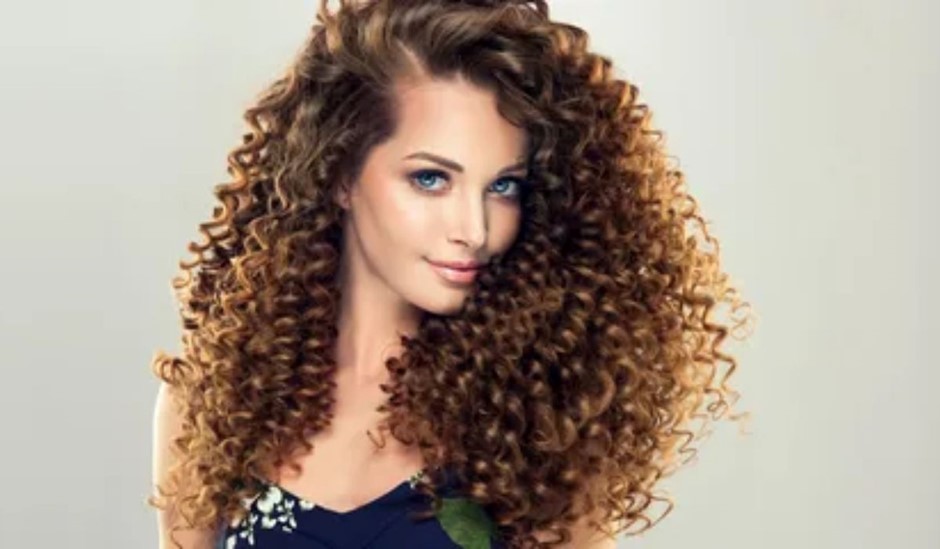
Buying your first curly wig can feel deceptively simple—until you realize “curly” can mean anything from soft waves to tight coils, and density can completely change how natural (and manageable) your wig looks. The good news: once you understand texture and density, you can pick a wig that matches your style goals, your comfort level, and how much daily styling you actually want to do.
1) Start with texture: choose a curl pattern you can maintain
Curly wig textures generally map to curl-pattern families (Type 2 wavy, Type 3 curly, Type 4 coily). Your best match depends on the look you want and how much definition you’re willing to maintain.
Loose waves and loose curls (Type 2–3A) tend to look glamorous and “effortless,” but they can drop or loosen over time—especially if you brush them dry or use heavy products. These textures are usually easier for beginners because they detangle faster and can be refreshed quickly with water and a light mousse.
Medium curls (3B–3C) give you that classic springy, voluminous curl look. They’re often the sweet spot for many first-time buyers: defined enough to look intentionally curly, but not so tight that shrinkage surprises you. Expect more tangling than wavy textures, and plan on routine refreshing to keep curls clumped and frizz controlled.
Kinky-curly and coily textures (Type 4A–4C) look incredibly natural and dimensional, especially if you want a textured, blown-out, or tightly defined coil effect. They also require the most gentle handling: detangling in sections, hydrating regularly, and avoiding excessive brushing. If you love the look of tight curls and big volume, exploring dedicated collections like luvme curly wigs can help you narrow in on textures designed to mimic coily patterns.
Beginner shortcut: If you’re torn, pick a texture that resembles your natural hair on a good day (not your hair after a perfect salon blowout). The closer the match, the more believable your wig will look with minimal effort.
2) Understand density: it changes realism, volume, and tangling
Density is simply how much hair is ventilated onto the cap. It’s often listed as a percentage (for example, 150%, 180%, 200%). Higher density usually means bigger volume—but also more weight, more heat, and more detangling.
- Low to medium density (around 130%–150%) looks very natural and is easier to manage day-to-day. It’s a great choice if you want “my hair but better,” if you’re petite, or if you prefer flatter, realistic roots.
- Medium to full density (around 180%) gives you a fuller, more “done” look. Many curly wigs look best here because curls visually take up space but can still have natural movement. If you like volume without going fully dramatic, this is often the safest beginner pick.
- High density (200%+) is bold and camera-ready, but it can be harder for beginners: more hair = more friction, more tangling, and more time refreshing. It can also look less natural if the hairline and part aren’t balanced.
Reality check: Curly textures already create visual fullness. A 180% curly wig can look much bigger than a 180% straight wig. If you’re new, don’t automatically choose the highest density.
3) Match density to your face shape and lifestyle
Instead of choosing density based on photos alone, decide based on how you want the wig to behave.
If you want an everyday wig for work or school, you’ll likely prefer moderate density that won’t overwhelm your features or require constant fluffing. If you’re active, live in a hot climate, or commute a lot, lower density can feel lighter and tangle less.
If you want a statement look—big hair, big presence—higher density might fit your vibe, but plan for extra maintenance. You may also need shaping (layering) so the wig doesn’t look “triangle” or overly wide at the sides.
4) Pick a length with shrinkage in mind
Curly wigs appear shorter than their listed length because curls coil up. The tighter the curl, the more shrinkage you’ll see. As a beginner:
- If you want a shoulder-length look, consider ordering a bit longer than you think.
- Longer curly wigs are stunning, but they tangle more due to friction against clothes and seats.
5) Decide on hair type: human hair vs synthetic
For the most natural movement and the most styling flexibility, many beginners prefer human hair. It can be washed, reshaped, and refreshed more naturally, and it typically blends better if you plan to leave out edges or baby hair. If you’re specifically shopping for a human-hair option, browsing a focused collection like curly wig human hair makes it easier to compare curl textures, lengths, and densities in one place.
Synthetic wigs can be budget-friendly and consistent in curl pattern, but they often have more shine and can be less forgiving when it comes to tangling and heat styling.
6) Quick “beginner-safe” recommendations
If you want a low-stress first purchase, these combinations are typically easiest:
- Texture: 3A–3B curls (defined, not too tight)
- Density: 150%–180% (natural-looking fullness)
- Length: 14–18 inches (manageable, less tangling than very long styles)
If you know you love big texture and want a coily look, go Type 4—but consider starting with medium density and a shorter-to-mid length for easier upkeep.
7) How to sanity-check your choice before you buy
Before you commit, ask yourself:
- Do I want defined curls or a fluffier, textured look?
- Am I okay with daily refreshing (water + light product), or do I want minimal styling?
- Do I prefer a natural everyday density, or a high-volume density?
- Will this length rub on coats, scarves, or car seats (aka: more tangling)?
Final takeaway
The “right” curly wig isn’t just about pretty curls—it’s about choosing a texture you’ll actually maintain and a density that fits your face, comfort, and schedule. Start with a realistic density, pick a curl pattern that matches your vibe, and you’ll get a wig that looks natural, feels wearable, and stays beautiful far longer than a random impulse buy.