Best Tea Powders for Homemade Lattes: Matcha, Hojicha, Genmaicha & Wakoucha
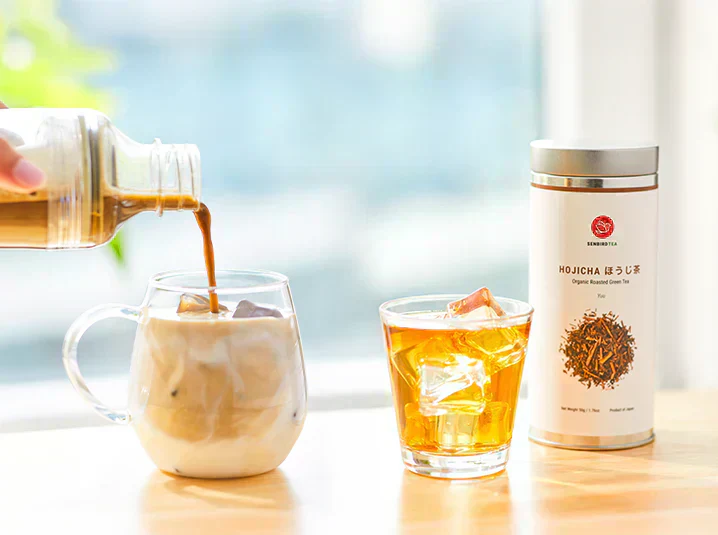
If you’ve ever frothed milk and poured it over matcha, you already know how dangerously addictive a tea latte can be. Smooth, creamy, and with that subtle buzz that doesn’t send your heart racing like coffee does — it’s the perfect middle ground between energy and calm. But beyond matcha, there’s a whole world of tea powders that make incredible lattes at home. Today, we’re looking at four Japanese favourites: Matcha, Hojicha, Genmaicha, and Wakoucha. Each brings its own mood to your mug — from roasted and nutty to bright and grassy.
1. Matcha – The Classic Green Powerhouse
Let’s start with the obvious star: matcha. This fine, bright-green powder is made from shade-grown green tea leaves that are stone-ground into a silky texture. Unlike steeped tea, matcha lets you consume the entire tea leaf — meaning you get all the nutrients, antioxidants, and that calm alertness from L-theanine and caffeine.
When whisked with a splash of hot water and topped with warm milk, matcha becomes a creamy, slightly vegetal latte with a hint of sweetness and a pleasant, grassy bite. It’s energising without the coffee crash, and when made right, the colour is such a vivid green it could make spinach jealous.
For home use, look for a “latte grade” or “culinary grade” matcha. Ceremonial matcha is lovely, but its delicate flavour can get lost in milk (and it’s pricey). A good latte-grade powder will still give you that rich, umami kick at a friendlier price. Just remember to store it away from light and air — matcha fades faster than your motivation on a Monday morning.
Best with: whole milk or creamy oat milk.
Vibe: fresh, energising, zen in a cup.
2. Hojicha – The Toasty, Low-Caffeine Comfort
If matcha is the bright morning sunshine, Hojicha is the cosy blanket waiting at home after work. Made by roasting green tea leaves over high heat, hojicha powder takes on a rich brown colour and a warm, nutty aroma that smells faintly of caramel and roasted nuts. It’s naturally low in caffeine, making it perfect for an afternoon pick-me-up or a bedtime treat.
The roasted flavour pairs beautifully with milk — especially oat or almond — giving your latte a subtle sweetness and a toasty finish that’s somewhere between coffee and tea. It’s also incredibly forgiving; even if you add a little too much, it won’t go bitter.
To make a hojicha latte, whisk about a teaspoon of powder with a splash of hot water until smooth, then add warm frothed milk. The result? A mellow, earthy drink that feels like a hug in a mug.
Best with: oat or almond milk.
Vibe: comforting, roasted, and slightly nostalgic.
3. Genmaicha – The Popcorn Latte You Didn’t Know You Needed
Here’s one that’ll surprise your taste buds — Genmaicha, a blend of green tea and roasted brown rice. The roasted rice gives it a popcorn-like aroma (yes, really), making the tea smell like a snack before you’ve even taken a sip. When ground into powder form, genmaicha transforms into one of the most unique latte bases out there.
Mixed with milk, it’s a little grassy from the green tea but mellowed out by the rice’s toasted, cereal-like notes. Think of it as the halfway point between matcha’s freshness and hojicha’s warmth. It’s especially good if you like drinks that feel wholesome, like breakfast in a cup.
The trick with genmaicha powder is to whisk it well — some blends include tiny bits of roasted rice that need a good stir to dissolve smoothly. Once mixed, it’s light, nutty, and incredibly satisfying.
Best with: soy or almond milk.
Vibe: playful, nutty, and totally comforting.
4. Wakoucha – Japan’s Take on Black Tea Latte
If you’re a fan of English breakfast or milk tea but want something more refined, meet Wakoucha (literally “Japanese black tea”). Unlike Japan’s typical green teas, wakoucha is fully oxidised, giving it a reddish-amber colour and flavour notes that lean toward honey, malt, and dried fruit.
In powder form, it’s smooth and mellow — less astringent than most black teas — and pairs beautifully with milk. A wakoucha latte feels indulgent and sophisticated, with a rich tea aroma that balances sweetness and depth. You can even add a drizzle of caramel or honey to bring out its natural warmth.
It’s a great pick for those who want a “tea-latte” that’s closer to the body of coffee but still softer, rounder, and more elegant.
Best with: whole milk or barista oat milk.
Vibe: elegant, slightly sweet, and deeply satisfying.
How to Make the Perfect Tea Latte at Home
Whichever powder you choose, the method is similar:
- Add 1–2 teaspoons of powder into a cup or bowl.
- Whisk with 2–3 tablespoons of hot water (not boiling — around 80–90°C) until smooth and lump-free.
- Froth your milk (around 200 ml) until it’s creamy and steamy.
- Pour the milk over the tea base and stir gently.
- Sweeten to taste with honey, maple syrup, or a splash of vanilla if you fancy.
You can serve them hot or iced — just dissolve the tea in warm water first before adding cold milk and ice cubes.
The Final Sip
Tea powders are a brilliant way to bring café-style lattes into your kitchen — no espresso machine required. Matchagives you that bright, energising hit; Hojicha offers warmth and relaxation; Genmaicha delivers a toasty twist; and Wakoucha brings a rich, malty depth.
Each cup tells a different story of Japanese tea culture — from the lush green hills of Uji to the roasted teahouses of Kyoto. So grab your whisk, warm some milk, and start experimenting. You might just find your new favourite ritual hiding in a humble tin of tea powder.