Am I At Risk? A Heart Attack Awareness Quiz For Women
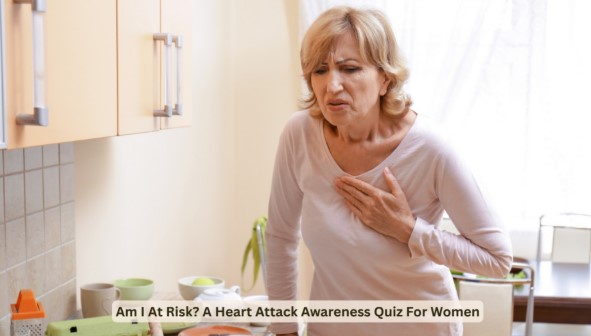
The heart is a relatively robust organ in the human body, capable of withstanding rough conditions. It never stops working, bringing oxygen and nutrients through a complex network of conduits to sustain life.
When this process falls through, the consequences can be severe, and in some cases, even deadly. Cardiovascular diseases (CVD) are among the foremost threats to human health, with women emerging as frontline victims.
The medical knowledge of heart disease over the years has been largely of male-oriented studies. Consequently, subtle yet critical variances in how women experience having a heart attack frequently went under the radar. The presentation of symptoms in women can be different from that in men, with less emphasis on chest pain and more on fatigue, nausea, or back pain. This variation in symptoms has led to the misdiagnosis and delayed treatment for women with fatal consequences.
And so, awareness is not just valuable — it can, in fact, be lifesaving.
Resources like structured self-assessments and quizzes help educate women about early warning signs and prompt them to seek urgent care. When knowledge is merged with action, women can reduce their risk and safeguard their health much more effectively.
The Role of Self-Assessment Tools
For many women, the question is: How do I know if my symptoms are severe?
Structural guidance from helpful tools, such as the ‘Am I Having a Heart Attack Female Quiz,’ can be beneficial. The following quizzes aim to raise awareness about the early warning signs of heart disease that women often overlook.
Instead of substituting for a doctor’s assessment, these resources serve as guideposts. They advise women to take symptoms seriously and seek professional advice as soon as possible, rather than later.
You’re likely to be asked about more common but less noticeable signs, such as unexplained shortness of breath, jaw pain or extreme fatigue. Women can determine whether they should seek care right away by answering honestly. This anticipatory measure, which intercepts the chain of uncertainty and medical care, may well avert a more serious outcome.
Risk Factor Identification and Its Significance
Heart attacks don’t just occur without underlying contributors. Risk factors, including high blood pressure, diabetes, high cholesterol, obesity, and smoking, are strongly associated with increased susceptibility. Among women, hormonal shifts related to pregnancy, menopause, or conditions such as polycystic ovary syndrome (PCOS) also factor in.
These risk factors are frequently highlighted through quizzes or public awareness campaigns to encourage women to reflect on their own health profiles. The advantage of identifying risks early is that preventive measures, such as changes in diet, exercise, medication, or regular health checks, can be initiated.
Connecting risk factors with potential symptoms provides women with a more comprehensive understanding of their overall cardiovascular health and what they can do to maintain it.
Encouraging Prompt Medical Action
One of the most serious misconceptions is the belief that symptoms will go away or that they have nothing to do with the heart. Since the longer the myocardial damage exists, the greater it becomes and the worse the long-term survival, delayed treatment worsens survival. The purpose of awareness quizzes is to counteract this reluctance.
By presenting symptoms as alerts rather than nuisances, these tools are designed to promote immediate responses. Women aware of worrisome patterns are more likely to seek emergency care promptly.
In cardiology, time is critical.
The sooner a heart attack is treated, the higher the likelihood that heart function can be saved, and that long-term complications may be avoided. Therefore, the various tools for awareness can lead to shorter response times and better outcomes.
Understanding Unique Female Symptoms
One reason awareness tools are paramount is that there can be vast differences in women’s symptoms as compared to men’s. Even though men frequently report crushing chest pain as the classic heart attack symptom, women are more likely to experience vague symptoms.
For instance, nausea, an indigestion-type sensation, dizziness, or pain that radiates up into the shoulders and back could all be warning signs that it is becoming a cardiac event. Since these symptoms can also be the result of milder conditions, women often ignore them.
Education through quizzes and awareness campaigns has helped clarify what sensations should be of concern.
Bridging Education and Community Awareness
Consciousness is more the sum of the parts. When women participate in self-assessment tools, they also share the knowledge gained with their families and communities. Indeed, if we all shared the insights of these quizzes, we could all be more informed.
Highly stigmatized and misinformed communities that espouse discussing women’s heart health, for example. When we normalize the conversation, more women are likely to consider their symptoms, track their risk factors, and have regular check-ins. This snowball effect amplifies the rewards of personal insight, turning them into a cultural movement.
Conclusion
Women’s heart health needs focus, recognition, and prompt action. Female heart attack symptoms are transient and variable, which can make them particularly difficult to recognize, but quizzes can help bridge the gap. By focusing on unusual warning signs, explaining risk factors, and promoting prompt medical attention, these resources translate speculation into preventive medical attention.
Knowing what to ask for, seeing the answer, and taking swift action makes the difference. For women everywhere, heart attack awareness is not just about risk, but also about empowerment. Armed with the appropriate knowledge and equipment, the prospect of heart disease can be defended through knowledge, preparedness, and a prompt response.