
Stick or Peel? How to Choose Between Permanent and Removable Shipping Labels
In the fast-moving world of eCommerce, logistics, and warehousing, shipping labels are the unsung heroes that keep everything on track. But one detail that’s often overlooked can make a big difference: the adhesive type. Choosing between permanent and removable shipping labels isn’t just a technicality—it can affect your packaging efficiency, customer experience, and even your bottom line.
This guide will help you understand the key differences, benefits, and ideal use cases for each label type. Whether you’re managing a growing Etsy shop or overseeing a full-scale distribution center, this article will help you make the best choice for your business.
What Are Permanent Shipping Labels?
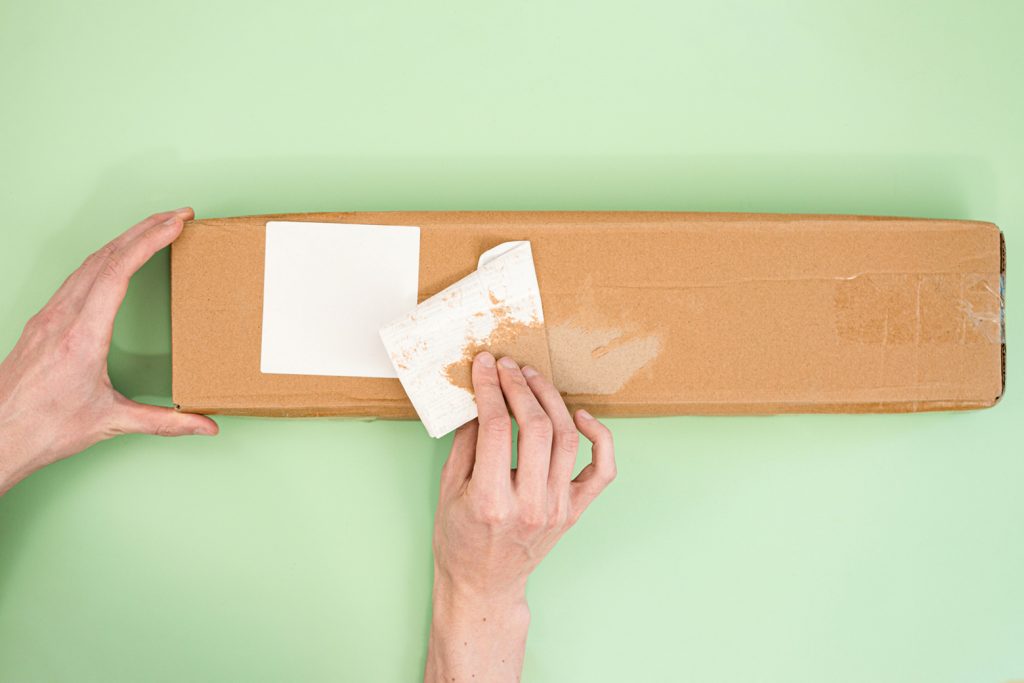
Permanent shipping labels are designed to stick and stay. They use aggressive adhesives that form a strong bond with most surfaces—cardboard, plastic, poly mailers, glass, and even metal. Once applied, these labels are not meant to be removed easily and often leave residue or tear when pulled off.
Key Benefits of Permanent Labels:
- Secure attachment: Reduces the risk of the label peeling during transit.
- Weather resistance: Many permanent labels can withstand moisture, heat, and abrasion.
- Compatibility: They work with most direct thermal and thermal transfer printers.
- Long-term identification: Ideal for asset tracking, inventory labeling, and long-distance shipping.
Common Use Cases:
- High-volume warehouse shipping
- USPS, UPS, FedEx label printing
- Barcode and asset labels
- Cold chain logistics
What Are Removable Shipping Labels?
Removable shipping labels use a gentler adhesive that allows the label to be peeled off cleanly without leaving sticky residue or damaging the surface underneath. While they still adhere well during short-term use, they’re designed to be temporary.
Key Benefits of Removable Labels:
- No residue: Clean removal for reusable containers or packages.
- Less surface damage: Safe for delicate packaging like gift boxes.
- Temporary use: Perfect for promotions, internal routing, or pre-printed inventory tags.
Common Use Cases:
- Retail labeling
- Return address labels
- Temporary warehouse routing
- Inventory rotation
Key Factors to Consider When Choosing
1. Application Surface
- Permanent: Better on porous or rough surfaces like cardboard and kraft mailers.
- Removable: Ideal on smooth, non-porous surfaces like plastic bins or metal shelves.
2. Duration of Use
- If the label needs to last from warehouse to doorstep—or for asset tracking—go permanent.
- If it’s only needed for a short phase of the process, choose removable.
3. Storage and Shipping Conditions
- For cold, wet, or high-humidity environments, permanent labels offer superior adhesion.
- Removable labels may fail in these conditions unless specially formulated.
4. Customer Experience
- Removable labels offer a cleaner unboxing experience for gift items or luxury products.
- Permanent labels ensure reliability for high-speed, high-volume shipping operations.
5. Cost Considerations
- Both label types are similarly priced, but the cost of label failure (e.g., lost packages, returns) should be factored in.
- Removable labels may also reduce material waste if packaging is reused.
Label Compatibility With Popular Printers
Label Type Compatible With Best Printer Types Permanent Cardboard, plastic, poly Zebra, Brother, Rollo Removable Glass, plastic bins Dymo, Brother, inkjet sheets
Note: Always check your printer’s specs before ordering labels to ensure proper adhesive compatibility.
The Hybrid Option: Repositionable Labels
Some modern labels offer repositionable adhesives—a middle ground between permanent and removable. These allow you to reposition the label shortly after application but eventually become permanent. Ideal for warehouse use where labeling errors are common.tabasquishytoys.com
Why the Right Label Matters More Than You Think
A label that falls off mid-shipment can cause:
- Delivery delays
- Increased customer complaints
- Higher return rates
- Wasted packaging materials
On the flip side, a label that’s too sticky can:
- Damage reusable containers
- Leave unsightly residue on premium packaging
- Create more labor-intensive removal processes
Betckey: Your Reliable Label Partner
At Betckey, we understand the importance of reliable, high-performance labels. That’s why we offer both permanent and removable options in a variety of formats—including 4×6 shipping labels, barcode rolls, and customizable sheets.
Our labels are compatible with top printers like Zebra, Brother, Dymo, and Rollo, and tested for durability under real-world conditions. Whether you need tamper-proof reliability or easy removal, Betckey’s label solutions are engineered to support your business success.
Explore our adhesive options today and ship with confidence.
FAQs
- Can I use removable labels for international shipping? It’s not recommended. For long-distance or overseas shipping, permanent labels are safer and more secure.
- Are removable labels water-resistant? Some are, but not all. If you need water resistance in a removable label, look for specialty coatings.
- How can I tell if a label is permanent or removable? Manufacturers like Betckey clearly specify adhesive types. When in doubt, order a sample pack to test it with your packaging.


