How Do Children In The U.S. Learn English?
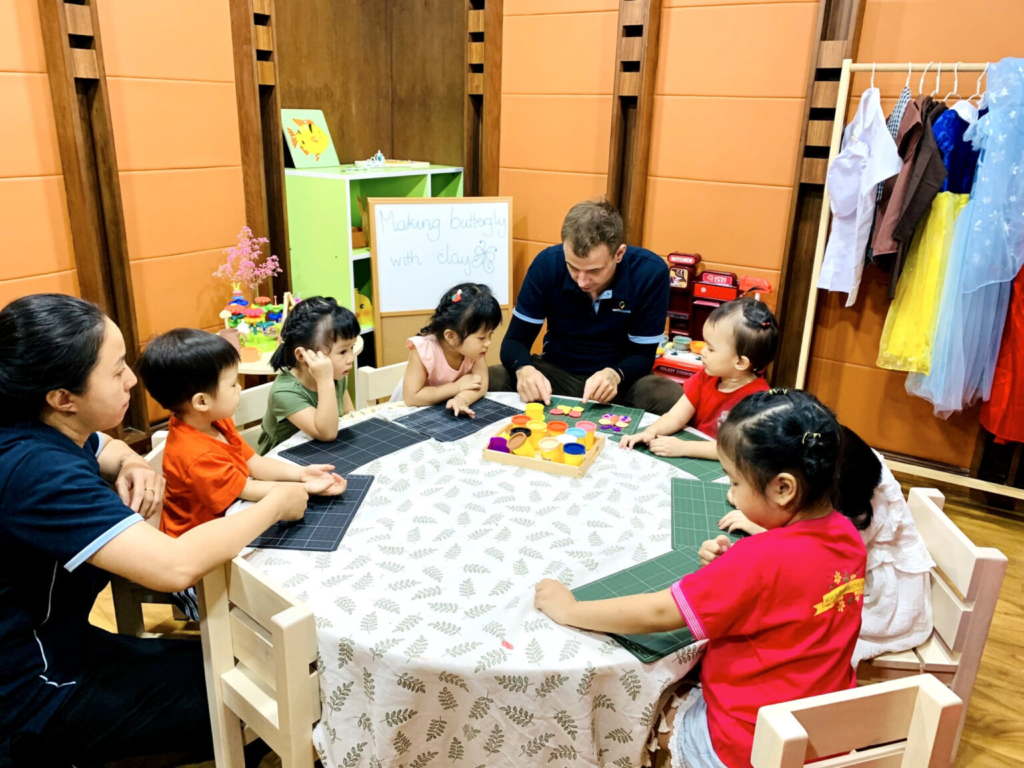
Most children in the U.S. start learning English before they even enter school. It begins at home, with family talk, TV shows, and everyday sounds. By the time they reach kindergarten, many already understand and speak basic English. But that’s just the start of the full learning process.
In American homes, children are surrounded by English almost all the time. They hear it on the radio, in cartoons, and from people around them. According to Pew Research, over 92% of American kids grow up in English-speaking households. Hearing others speak, they get used to words, phrases, and expressions.
It’s a natural process. Children don’t sit and study grammar at first. They pick up the language through listening. Even simple things like bedtime stories, songs, and playground conversations help. Parents also play a big role here. Kids learn faster when adults speak clearly, use real words, and respond to questions.
Schools shape how children use English
Once kids start school, English learning becomes more structured. From kindergarten to high school, the U.S. education system focuses on reading, writing, listening, and speaking. English is used in every subject — from science to art — so children use it in many ways.
By first grade, students begin reading short books and writing full sentences. Teachers use phonics, storybooks, and group reading to make it easier. There’s also a big focus on classroom talk. Children are asked to share ideas, ask questions, and explain their thoughts. This builds confidence and deeper understanding.
The National Assessment of Educational Progress (NAEP) reports that by Grade 4, over 70% of students are expected to read fluently and understand what they read. But not all students reach that level at the same time.
Not all children start with the same English level
Many children in the U.S. speak another language at home. Over 5 million students in public schools are classified as English learners, according to 2023 NCES data. These kids might speak Spanish, Chinese, Arabic, or Vietnamese when they’re with their families. For them, school is often the first place where they use English every day.
To support them, many schools offer ESL (English as a Second Language) programs. These programs are designed to help children learn English without falling behind in other subjects. ESL teachers work in small groups, focus on vocabulary, and help students join regular classes as their English improves.
This system helps close the gap between native speakers and newcomers. Still, it takes time. It usually takes between 3 to 7 years for non-native speakers to become fully fluent in English for academic use.
English is learned through more than school
Learning doesn’t stop when school ends. American kids learn a lot of English outside the classroom, too. Children’s books, mobile apps, TV shows, and video games are all packed with language.
For example, shows like Sesame Street or Bluey mix fun stories with real conversations. Kids repeat lines they hear, understand new words, and remember how sentences work. Educational apps like ABCmouse or Starfall are also popular. These tools mix games with reading and speaking tasks, so children stay engaged while learning.
85% of U.S. children have internet access at home, says Pew Research. That means most of them can access English content anytime. They learn without even thinking about it. They just watch, play, or listen — and their language improves.
Parents often get extra help to support English learning
Even in English-speaking homes, many parents look for extra support. Some children need help with writing. Others struggle with reading or grammar. That’s where tutoring comes in.
Private tutors give one-on-one attention. They focus on what the child needs the most — whether it’s reading fluency, essay writing, or speaking clearly. Many parents now turn to English tutors because school isn’t always enough. Tutors can work with different learning styles and set the right pace for each student.
Online learning makes English more flexible for families
In the past, families had to drive to classes or rely only on schools. That’s changed fast. Online learning gives children the chance to practice English anytime. They don’t need to sit in a classroom. They can learn from home, during vacations, or even in short time slots after school.
Many platforms now offer English lessons just for kids. These include interactive speaking games, reading tasks, and teacher-guided lessons. Children can use video calls to talk with real tutors. Or they can go through recorded lessons at their own pace.
Online tools also solve a common problem — kids learn at different speeds. Some pick up English fast. Others need more time and repetition. Virtual learning allows them to slow down or go ahead. It also helps shy children speak more comfortably, because they feel safe in their home environment.
According to Education Week, 30% of American parents now invest in private or digital learning options outside of school. This number is rising every year.
ESL support is strong but not always equal
Schools with large numbers of English learners often have good ESL programs. But not every district is the same. Some areas don’t have enough teachers trained to work with non-native speakers. In those places, parents have to find outside support.
Still, the system is trying. The U.S. Department of Education funds several state-level programs to help children learn English alongside other subjects. Schools are required to assess English proficiency every year. Based on results, students may move to full classrooms or get extra support.
The challenge is that many ESL students also face other issues — adjusting to a new country, learning new subjects, and making friends. Language is just one part of the puzzle. Good English learning programs focus on both language and confidence. That’s what really helps kids grow.
Real-life use is the strongest teacher
One thing that works well in the U.S. is that children use English all day. It’s not just a subject. It’s how they ask for lunch, play with friends, and talk to teachers. This kind of exposure builds strong habits.
For example, a child learning the word “apple” in class might also see it in a book, hear it in a snack ad, and say it during lunch. This real-life repetition makes words stick. It naturally builds vocabulary. It’s also why most American kids can use complex sentence patterns by the time they reach middle school, even if they never studied grammar directly.
Language is everywhere. From asking questions in science class to texting friends, English is the core of daily life. That level of daily use makes a big impact over time.
Kids also learn by copying others
Children watch how others speak. They notice tone, expressions, and small details. In a group setting, they start using phrases their friends use. This kind of peer learning happens without effort.
Teachers use this method in classrooms too. Group discussions, partner reading, and peer projects help students speak more naturally. It pushes them to think in English instead of translating from another language.
This kind of practice builds fluency much faster than worksheets or memorization. It’s active learning. And it works well, especially when children are having fun.
Why English learning is never just one method
No single method works for every child. That’s why the U.S. uses a mix of formal and informal tools. Schools offer grammar and reading. Homes offer stories and conversation. Tutors provide practice and correction. Technology brings in games and flexibility.
It’s the mix that matters. Some children get more from classroom lessons. Others do better with hands-on support. The most successful English learners are usually the ones exposed to many types of learning — reading books, talking daily, watching shows, getting corrections, and exploring fun apps.
Parents who see gaps in one area often balance it out with another. A child who writes well but struggles to speak might benefit from live conversations with a tutor. A child who reads well but lacks confidence might improve with small group classes. Knowing what works takes time. But options today are easier than ever to access.
Final thoughts: How kids learn English in the U.S. is about the environment
Children in the U.S. learn English because they live in it. The language is all around them. But success comes from how well that environment is used. School gives the structure. Home builds the foundation. Extra help, like tutoring or apps, sharpens the skills.
It’s not just about age or background. It’s about how often and how deeply children interact with English. With enough support, even kids from non-English-speaking homes can reach fluency fast.
Some parents also search for English classes near me to find programs that match their child’s level. Local language centers or online platforms offer group and private lessons for kids. This adds another layer of support and often makes a big difference, especially for children who need extra time or practice.